How to Transplant Asia minor bluegrass?
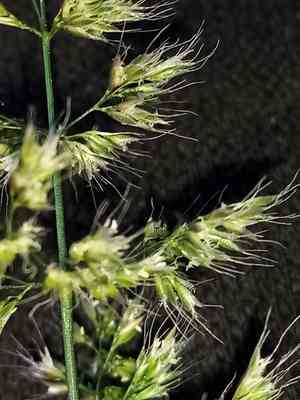
For asia minor bluegrass, the most favorable period for transplanting into a garden setting extends from early spring's melting snows to the threshold of summer's heat, as these conditions are ideal for root development. Select a location bathed in sunlight, featuring damp, adequately draining earth, to ensure your asia minor bluegrass thrives from the outset.
What Preparations are Needed Before Transplanting Asia Minor Bluegrass?
What is the Ideal Time for Transplanting Asia Minor Bluegrass?
For asia minor bluegrass, the prime period for relocation spans from early spring to its conclusion. This timeframe offers mild temperatures and ideal soil conditions, promoting root development. Moving asia minor bluegrass during this phase allows it to fully benefit from spring's moderate climate, encouraging strong growth before summer's heat. We kindly suggest utilizing this perfect transplanting season to maximize your asia minor bluegrass's potential for a vibrant display.
How Much Space Should You Leave Between Asia Minor Bluegrass Plants?
When preparing to rehome your asia minor bluegrass, ensure they have ample room to thrive. Aim for a comfortable spacing of approximately 4-6 inches (10-15 cm) between each plant, allowing them sufficient space for robust development.
What is the Best Soil Mix for Asia Minor Bluegrass Transplanting?
Your asia minor bluegrass will flourish in soil that drains effectively! Before planting, incorporate some organic compost to provide your plant with a nutrient-rich beginning. A balanced, slow-release fertilizer will establish the foundation for vigorous growth.
Where Should You Relocate Your Asia Minor Bluegrass?
Your asia minor bluegrass enjoys soaking up the sun! Select a bright location where it can receive at least 6 hours of sunlight daily. Sun-loving asia minor bluegrass will reward you with strong growth when placed in its preferred sunny spot.
What Equipments Should You Prepare Before Transplantation Asia Minor Bluegrass?
Gardening Gloves
To safeguard your hands while handling soil and plants.
Shovel or Spade
For excavating the plant and preparing a new planting site.
Hand Trowel
For more precise digging, especially with smaller root systems.
Watering Can or Hose
To hydrate the plant both before and after transplanting to aid establishment.
Wheelbarrow or Plant Dolly
To move the plant from one spot to another, particularly if it's large or heavy.
Pruning Shears
To trim any damaged roots or foliage prior to transplanting.
Measuring Tape
To ensure proper spacing between plants if relocating multiple ones.
Soil Amendment
To blend with the existing soil if necessary, though soil advice was provided earlier.
How Do You Remove Asia Minor Bluegrass from the Soil?
How Do You Remove Asia Minor Bluegrass from the Soil?
From Ground: Thoroughly water the asia minor bluegrass to moisten the soil, making it easier to manage. Encircle the plant with a spade to define the root ball area. Gently leverage the spade beneath the root ball to lift the plant, striving to keep the root structure as intact as possible.From Pot: Water the asia minor bluegrass well before beginning. Turn the pot on its side and tap the bottom to loosen the plant. Grasp the plant at its base and carefully slide it out. If roots are densely circling, consider gently separating them.From Seedling Tray: Water the seedlings to ensure the soil is damp. Use a hand trowel or a dibber to carefully lift each seedling by pushing up from below, aiming to preserve the soil around the root ball.
Step-by-Step Guide for Transplanting Asia Minor Bluegrass
Preparation
Gather all necessary tools and review the instructions to become familiar with the procedure.
Plant Removal
Follow the specific removal method for asia minor bluegrass, depending on whether it's from the ground, a pot, or a seedling tray.
Transplant Hole
Dig a hole in the ground that is twice the width of the root ball and of equal depth, allowing roots to spread unhindered.
Placement
Position the asia minor bluegrass into the hole so that the top of the root ball is level with the surrounding soil surface. This prevents planting too deep or too shallow.
Soil Replacement
Back-fill the hole with the excavated soil or an appropriate soil mix, if needed, gently but firmly compacting it around the root ball.
Watering
Immediately after transplanting, thoroughly water the asia minor bluegrass to settle the soil around the roots and eliminate any air pockets.
Support
If the asia minor bluegrass is tall or appears unstable, use garden stakes or supports to keep it upright until its roots establish in the new location.
How Do You Care For Asia Minor Bluegrass After Transplanting?
Initial Watering
Water the asia minor bluegrass deeply post-transplant to encourage new root growth, then regularly to maintain consistent soil moisture during establishment.
Mulching
Apply mulch around the base of the asia minor bluegrass to retain moisture, stabilize soil temperature, and suppress weed competition.
Pruning
Remove any damaged or dead plant material to direct the asia minor bluegrass's energy towards developing new roots and shoots.
Monitoring
Observe the asia minor bluegrass for signs of transplant shock, such as wilting or yellowing leaves, and respond with appropriate care.
Troubleshooting Common Issues with Asia Minor Bluegrass Transplantation.
When's the ideal time to transplant asia minor bluegrass for optimal growth?
The best period for relocating asia minor bluegrass is from early to late spring, providing a gentle start for the transplants under the season's increasing warmth.
How far apart should asia minor bluegrass be spaced when transplanting?
Ensure asia minor bluegrass are spaced approximately 4-6 inches (10-15 cm) apart to allow each plant ample room to thrive.
What's the key to avoiding transplant shock in asia minor bluegrass?
Handle asia minor bluegrass's roots gently during transplanting and ensure rapid re-establishment by keeping the soil moist for the initial few weeks.
Why are my transplanted asia minor bluegrass wilting, and how can I fix it?
Wilting may stem from water stress or root damage. Ensure consistent moisture and minimize root disturbance during transplant.
How do I choose the best location for transplanting asia minor bluegrass?
Select a site with good light exposure and well-draining soil to suit asia minor bluegrass's preference for optimal photosynthesis and root health.
Can I transplant asia minor bluegrass in containers, and how?
Certainly! Use containers with drainage holes and a potting mix that provides an airy substrate, mimicking asia minor bluegrass's natural growing conditions.
How much water does asia minor bluegrass need after transplanting?
Initially, water asia minor bluegrass generously to settle the roots. Then transition to moderate watering, keeping the soil moist but not waterlogged.
What should I do if asia minor bluegrass shows signs of nutrient deficiency?
Apply a balanced, slow-release fertilizer to supply asia minor bluegrass with essential nutrients without overfeeding, which can harm new roots.
How do I protect newly transplanted asia minor bluegrass from pests?
Regularly inspect asia minor bluegrass, and if pests are found, use suitable organic insecticides or natural predators to manage the infestation.
What is the survival rate of asia minor bluegrass after transplant and how to increase it?
Survival rates vary, but you can improve it by transplanting on overcast days to reduce stress and by providing consistent soil moisture.



