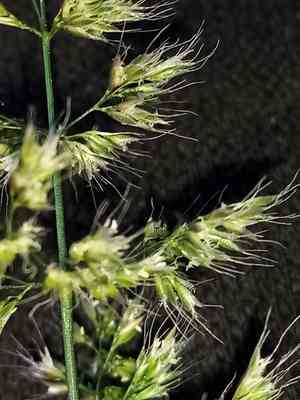
Asia minor bluegrass (Polypogon fugax)
Also known as: Annual beardgrass, Water bentgrass
Barnyardgrass (Echinochloa crus-galli) is an annual herb commonly found in wetland areas. It grows in clumps and produces flowers from late spring to summer. In some regions, it is classified as a weed and has shown resistance to certain herbicides.
In This Article
Attributes of Asia minor bluegrass
Lifespan
Annual
Plant Type
Grass
Plant Height
10 cm to 75 cm
Spread
N/A
Leaf Color
Green
Flower Size
5 mm to 5 cm
Flower Color
Yellow Purple Green Brown
Images of Asia minor bluegrass
Quickly Identify Asia minor bluegrass
1
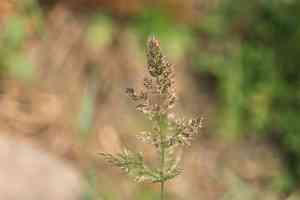
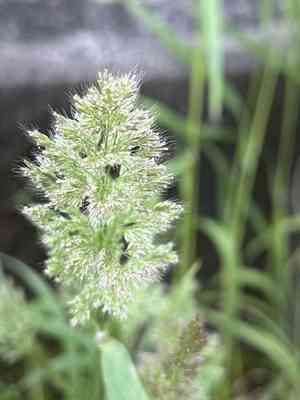
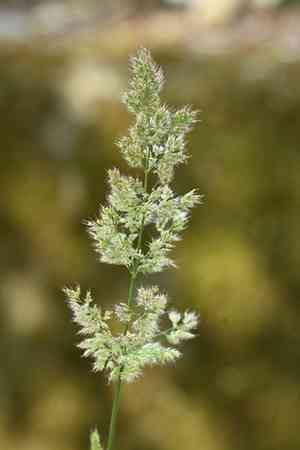
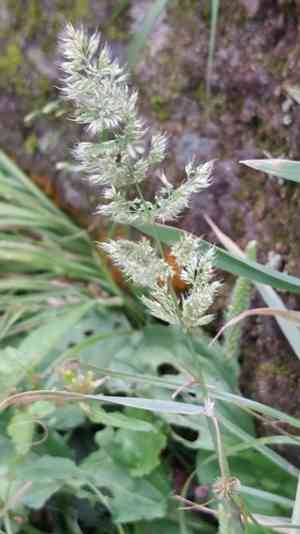
Look for its distinctive inflorescence with dense, soft, and silky hairs. The grass typically grows in clumps and has a height ranging from 10 to 100 cm. Leaves are flat, linear, and the ligules are membranous with a fringe of hairs.
Scientific Classification of Asia minor bluegrass
Phylum
Vascular plants
Class
Monocotyledons
Order
Poales
Family
Grass
Genus
Beard grasses
Species
Asia minor bluegrass
Planting and Growing of Asia minor bluegrass
Care Difficulty
Easy
Watering Schedule
Every 4 days
Sunlight Requirements
Partial sun
Sunshine Duration
4-8 hours
Ideal Temperature
60-75℉
Soil Type
Potting Mix, Peat Mix
Soil pH
6.5-7.5
Fertilizer Type
Balanced
Pruning Season
Spring, Summer
Pruning Area
Branches, Leaves
Pruning Frequency
2 times a year
Repotting Season
Spring
Pot Type
Plastic, Ceramic
 How to Water Asia minor bluegrass?
Water Polypogon fugax until the soil is moist but not waterlogged. This grass species thrives on a consistent watering schedule, ensuring the soil remains slightly damp but allowing it to dry out a bit between waterings. Each session should involve approximately 200 milliliters per plant, adjusted based on the local climate and soil conditions.
What are the symptoms of an underwatered Asia minor bluegrass?
›
What should I do if my Asia minor bluegrass is not getting enough water?
›
What are the symptoms of an overwatered Asia minor bluegrass?
›
How to save an overwatered Asia minor bluegrass?
›
 What Are the Sunlight Requirements for Asia minor bluegrass?
The ideal light range for Polypogon fugax is partial sun exposure, which helps maintain balanced moisture levels, prevents leaf burn, and supports healthy, sustainable growth.
What is the ideal light condition for Polypogon fugax?
›
How to ensure ideal light exposure for Polypogon fugax?
›
What are the benefits of ideal light conditions for Polypogon fugax?
›
 What Is the Ideal Temperature Range for Asia minor bluegrass?
For optimal growth, Polypogon fugax thrives best in a temperature range of 60°F to 75°F. This range supports the plant's metabolic functions, ensuring healthy development and robust growth. Maintaining these temperatures helps ensure the plant’s physiological processes occur without stress, particularly photosynthesis and respiration.
 What Soil is Best for Asia minor bluegrass?
Polypogon fugax thrives in nutrient-rich soils that provide the essential minerals required for healthy growth. Such soils ensure vigorous plant development and increase resistance to diseases. Ensuring the soil is well-drained prevents waterlogging, which could otherwise lead to root rot. A well-drained structure supports efficient oxygenation and healthy root systems. Maintaining moderate moisture levels in the soil keeps Polypogon fugax hydrated. This balance helps in sustaining the plant's metabolic processes without stress from drought or overwatering.
 How to Fertilize Asia minor bluegrass?
For Polypogon fugax, apply liquid fertilizer at a concentration of 1/4 teaspoon per gallon of water. Ensure that the diluted solution lightly moistens the soil without causing waterlogging, which can harm root systems.
 How to Prune Asia minor bluegrass?
Start by examining Polypogon fugax for any dead or damaged foliage. Remove these first to allow the plant to direct its energy toward producing new, healthy growth. Trim back overgrown areas to maintain a balanced shape. If the plant is too dense, selectively thin it out by removing some of the oldest stems to enhance light penetration and air circulation within the plant. Avoid cutting more than one-third of the plant at a time. Gradual pruning prevents stress on Polypogon fugax, ensuring that it has enough foliage to continue photosynthesis efficiently.
More About Pruning Techniques→
 How to Propagate Asia minor bluegrass plant?
1
Fill the seed tray with sterilized potting soil, leaving about 1 cm from the top. Water the soil lightly to ensure it is moist but not soggy before sowing the seeds.
2
Sprinkle Polypogon fugax seeds evenly across the surface of the soil. Do not bury them too deep, as they require light to germinate. Cover lightly with a thin layer of soil.
3
Place the seed tray in a warm location with indirect sunlight. Maintain a soil temperature of around 20°C (68°F). Ensure consistent moisture by using a water spray to avoid displacing seeds.
 How to Repot Asia minor bluegrass plant?
1
Polypogon fugax shows signs of needing repotting when roots start peeping out from the bottom or become densely packed inside. This grass appreciates a new home when water drainage is compromised, displaying yellowing leaves, common indicators for seeking a larger pot and fresh soil.
2
Opt for a container one size larger, ensuring it has adequate drainage holes. A wider pot helps accommodate root expansion and supports healthy growth. The right pot allows optimal water flow, preventing waterlogging and root rot, key for this grass's well-being.
3
A loamy, well-drained soil mix is ideal for Polypogon fugax, as it supports healthy roots and offers stability. This type of soil allows moisture retention while preventing excess water accumulation, protecting against root rot and enhancing nutrient absorption.



