The Asia minor bluegrass Plant Advantage: Maximizing Home and Office Appeal and Wellness
1
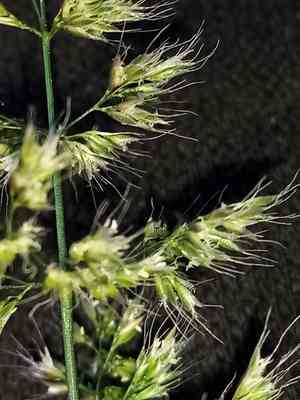
Asia minor bluegrass is recognized for its vigorous development and versatility across diverse environments.
2
It plays a crucial role in preventing soil degradation and maintaining landscape integrity.
3
Asia minor bluegrass boosts regional biodiversity by fostering a range of indigenous and advantageous insects.
What Makes Asia minor bluegrass Distinctive?
Growth and Adaptability
Asia minor bluegrass displays remarkable growth traits, flourishing in diverse soil types and climate conditions. Its capacity to withstand extreme weather, from aridity to heavy precipitation, positions it as an ideal choice for various locales. The plant's robust root structure enables rapid establishment, making it an excellent option for quick greening initiatives.
Aesthetic and Practical Applications
Not only does Asia minor bluegrass offer a lush, verdant ground cover, but it also provides significant practical advantages. Landscapers and gardeners value it for its low-upkeep nature, requiring minimal water and fertilization once mature. Its consistent growth pattern creates a visually pleasing landscape while simultaneously serving as an effective measure against erosion.
How Does Asia minor bluegrass Benefit the Environment?
Soil Erosion Prevention
Asia minor bluegrass has proven highly effective in stabilizing soil. Its dense root network binds the soil together, preventing erosion caused by water and wind. This makes it especially valuable in areas prone to heavy rainfall or strong winds, such as coastal zones and hillsides.
Enhancing Soil Health
Beyond erosion control, Asia minor bluegrass contributes to overall soil vitality. Its roots help improve soil structure, facilitating better water infiltration and retention. Consequently, it can reduce surface runoff and promote water percolation into deeper soil layers, making more moisture accessible during dry spells.
What Role Does Asia minor bluegrass Play in Biodiversity?
Supporting Native Wildlife
One of the crucial ecological advantages of Asia minor bluegrass is its function in sustaining native wildlife. The plant offers habitat and food sources for various insects, birds, and small mammals. By encouraging a diverse range of species, Asia minor bluegrass helps maintain ecological equilibrium and fosters a healthy ecosystem.
Attracting Beneficial Insects
Asia minor bluegrass is known to draw in a variety of beneficial insects, including pollinators like bees and butterflies. These insects play a vital role in the reproduction of many plants, ensuring biodiversity and the successful production of fruits and seeds. Additionally, they can assist in controlling pest populations, lessening the need for chemical pesticides in agricultural and landscaped areas.
How Can You Integrate Asia minor bluegrass into Your Landscape?
Suitable Planting Locations
Incorporating Asia minor bluegrass into your landscape is relatively straightforward due to its adaptability. It's well-suited for slopes, open fields, and areas where other vegetation might struggle to take root. For urban gardens, it can be used as a ground cover in ornamental beds or along pathways to create visually appealing green spaces.
Planting and Maintenance Tips
When planting Asia minor bluegrass, ensure the soil is well-prepared with adequate drainage. While it is a resilient plant, providing a good start with rich, loamy soil will enhance its growth. After establishment, Asia minor bluegrass requires minimal maintenance, but occasional mowing can help manage its height and encourage denser growth. Removing dead or damaged sections will also keep the plant healthy and attractive.
Is Asia minor bluegrass Suitable for Sustainable Landscaping?
Water Efficiency
Asia minor bluegrass is an excellent choice for sustainable landscaping due to its low water requirements once established. Its deep root system enables it to access water from deeper soil layers, reducing the need for frequent watering. This characteristic makes it particularly valuable in regions facing water scarcity or drought conditions.
Reducing Chemical Inputs
Sustainable landscaping aims to minimize the use of synthetic chemicals, and Asia minor bluegrass supports this goal. Its natural resilience to pests and diseases means fewer chemical treatments are necessary. Furthermore, by fostering beneficial insects and improving soil health, Asia minor bluegrass indirectly reduces the need for additional fertilizers and pesticides, promoting an environmentally friendly landscape.



