How to Prune Asia minor bluegrass?
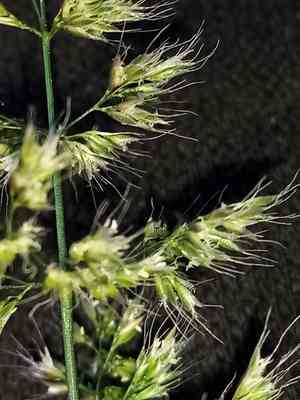
A resilient grass suited to diverse environments, asia minor bluegrass flourishes with little upkeep. Removing spent or withered leaves encourages robust new growth, best accomplished in spring or following summer blooms. Consistent trimming throughout the active growing periodsâfrom spring through autumnâimproves vitality and aesthetic quality. This practice is vital not just for the plant's well-being but also to deter self-propagation and potential spread. Eliminating surplus thatch helps avert illnesses and pest problems, preserving the decorative charm of asia minor bluegrass.
What Are the Benefits of Pruning Asia Minor Bluegrass?
What Are the Benefits of Pruning Asia Minor Bluegrass?
Trimming asia minor bluegrass encourages robust development and maintains its form, optimizing plant vitality and ensuring it fits within the desired area and landscape design.
What Is the Best Time for Pruning Asia Minor Bluegrass?
What Is the Best Time for Pruning Asia Minor Bluegrass?
Trimming asia minor bluegrass in Spring is optimal as it marks the start of the plant's active growth phase, allowing for quick healing of cuts and stimulating new growth. Summer trimming is useful for shaping the plant and removing any diseased or damaged foliage that could impact asia minor bluegrass's overall health. Pruning in the Fall can prepare asia minor bluegrass for dormancy by eliminating dead or excess growth, which improves air circulation and reduces the risk of fungal infections. These periods are ideal as they align with asia minor bluegrass's growth patterns and minimize plant stress, contributing to its vigor and productivity.
What Tools Do I Need to Prune Asia Minor Bluegrass?
Bypass Hand Pruners
Perfect for making clean cuts on asia minor bluegrass's slender stems without crushing them.
Grass Shears
Used for trimming and shaping the grass blades of asia minor bluegrass, allowing for greater control over the plant's appearance.
String Trimmer (optional)
Can be utilized for quick trimming of large areas of asia minor bluegrass, but should be handled carefully to avoid plant damage.
Garden Scissors
Suitable for snipping dead or unwanted blades of grass in asia minor bluegrass for a precise finishing touch.
How to Prune Asia Minor Bluegrass
Clean tools
Sanitize your pruning tools using a solution of one part bleach to nine parts water to prevent disease transmission while trimming asia minor bluegrass.
Identify withered leaves
Examine asia minor bluegrass carefully to locate withered leaves that are dead, discolored, or dried out, as these are the parts that need removal.
Cut withered leaves
Using your sanitized pruning shears, carefully cut the withered leaves at their base where they meet the stem or sheath, taking care not to harm healthy tissue.
Dispose waste
Gather the trimmed withered leaves and discard them away from healthy plants to prevent the potential spread of pests or diseases.
Clean up
Clean your pruning tools again following the same sterilization process to ensure they are ready for the next use and to maintain plant health.
Common Pruning Mistakes with Asia Minor Bluegrass
Over-pruning
Removing too much foliage at once can stress asia minor bluegrass, leading to reduced vigor and sparse growth.
Using dull tools
Dull pruning tools can damage asia minor bluegrass's delicate stems, resulting in jagged cuts that are susceptible to disease.
Pruning too close
Cutting too close to the main stem or crown can harm asia minor bluegrass by potentially damaging the growth nodes, delaying recovery or new growth.
Ignoring dead material
Failing to remove dead or damaged foliage can hinder asia minor bluegrass's growth and can invite pests and diseases.
Random cutting
Pruning without a plan can lead to uneven growth and may affect asia minor bluegrass's aesthetic shape and health.
Common Pruning Tips for Asia Minor Bluegrass
Correct cutting angle
Asia minor bluegrass's stems should be cut at a 45-degree angle, which promotes healing and directs new growth outward.
Tool sanitation
Disinfecting pruning tools before use helps prevent the spread of diseases to asia minor bluegrass.
Incremental pruning
Gradually pruning over time, rather than all at once, supports the well-being of asia minor bluegrass and encourages a fuller shape.
Focus on health
Remove only the dead, diseased, or weak stems to maintain asia minor bluegrass's health and improve air circulation.
Identify growth nodes
Understand the location of growth nodes to ensure asia minor bluegrass has the potential to produce new shoots after pruning.



