How to Transplant Leathery polypody?
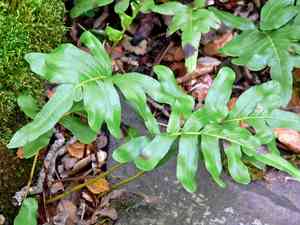
For leathery polypody, the ideal period for relocation extends from the onset of early spring through the abundance of late spring, allowing roots to settle prior to summer. Select a shaded spot featuring damp, well-draining earth. Careful manipulation is crucial to preserve the root system's soundness.
What Preparations are Needed Before Transplanting Leathery Polypody?
What is the Ideal Time for Transplanting Leathery Polypody?
The best time to move leathery polypody is from early spring's start until summer's approach, allowing a smooth shift during its active development. This period offers leathery polypody sufficient warmth and increasing daylight for establishment, with spring rain moisture aiding root growth. Transplanting within this window encourages robust development and peak health for leathery polypody, leveraging the season's supportive conditions. Taking this step carefully at this specific moment builds a strong foundation for leathery polypody to thrive.
How Much Space Should You Leave Between Leathery Polypody Plants?
When relocating leathery polypody, provide ample room for growth by spacing them 15-18 inches (38-46 cm) apart. This ensures each plant has enough area to develop without competing for resources.
What is the Best Soil Mix for Leathery Polypody Transplanting?
For leathery polypody, combine well-draining soil with a balanced, slow-release fertilizer as your base. This creates a nourishing environment that supports healthy root development for your perennials.
Where Should You Relocate Your Leathery Polypody?
Select a location for leathery polypody where they will receive filtered sunlight or partial shade. This provides the ideal balance for them to flourish without the stress of excessive direct sun.
What Equipments Should You Prepare Before Transplantation Leathery Polypody?
Gardening Gloves
To safeguard your hands while handling soil and plants.
Shovel or Spade
For excavating the plant from its original spot and preparing the new planting site.
Watering Can or Hose
To hydrate the plant before and after relocation to minimize stress.
Pruning Shears
To trim any dead or damaged roots or foliage prior to transplanting.
Wheelbarrow or Garden Cart
For moving the leathery polypody if necessary.
Gardening Fork
To loosen the soil around the plant's root system during extraction.
Mulch
To apply around the plant's base after transplanting to retain moisture.
Measuring Tape
To accurately space the transplant location from other plants or structures.
How Do You Remove Leathery Polypody from the Soil?
How Do You Remove Leathery Polypody from the Soil?
From Ground: First, thoroughly water the leathery polypody to dampen the soil and lessen root damage during removal. Carefully dig a wide circle around the plant using a shovel or spade, being careful not to cut into the root zone. Use a gardening fork if needed to loosen the soil and gently lift the plant with its root ball intact (roots and surrounding soil clump).From Pot: Moisten the soil in the container before beginning. Turn the pot sideways and gently tap the bottom to dislodge the leathery polypody from the pot. Slide the plant out, supporting the root ball with your hands. Inspect and carefully untangle any circling roots.From Seedling Tray: Lightly water the seedlings to make the soil pliable. Use a spoon or a specialized transplanting tool to carefully scoop out each leathery polypody seedling, including the surrounding soil and roots, to prevent disturbance.
Step-by-Step Guide for Transplanting Leathery Polypody
Preparation
Ensure all necessary tools are ready. Water the leathery polypody before beginning the transplanting process to reduce stress.
Root Ball Handling
Carefully transport the root ball to the new site, holding it by the soil, not the plant itself, to prevent stem damage.
Hole Digging
Excavate a hole in the ground that is twice the width of the root ball and the same depth to ensure ample space for root expansion.
Plant Placement
Position the leathery polypody in the center of the hole so that the top of the root ball is level with the surrounding soil surface. Ensure it stands upright.
Filling In
Backfill around the root ball with the removed soil, gently tamping down to eliminate air pockets. Keep the soil loose to facilitate easier root growth.
Watering
Water the leathery polypody generously immediately after transplanting to settle the soil and hydrate the roots.
Mulching
Apply a layer of mulch around the base of the leathery polypody, avoiding direct contact with the stem, to retain soil moisture and regulate soil temperature.
How Do You Care For Leathery Polypody After Transplanting?
Regular Watering
Ensure consistent watering for the leathery polypody, especially during dry periods, to encourage new root establishment in its new location.
Mulch Replenishment
Periodically check the mulch and add more as needed to maintain moisture levels and temperature control.
Monitoring Plant Health
Observe the leathery polypody for signs of transplant shock, such as wilting, leaf drop, or discoloration, and address any issues promptly.
Root Establishment Support
Avoid unnecessary disturbance of the soil around the leathery polypody to allow new roots to establish without interference.
Pest and Disease Watch
Monitor the leathery polypody for any indications of pests or diseases, and take appropriate action if necessary to keep the plant healthy.
Troubleshooting Common Issues with Leathery Polypody Transplantation.
What's the best time to transplant leathery polypody?
Optimal transplanting occurs from early to late spring, when growth potential is highest.
How far apart should I space leathery polypody plants?
Give each leathery polypody some breathing room - aim for 15-18 inches (38-45 cm) apart.
Why is my leathery polypody not thriving post-transplant?
Ensure it's not over or under-watered, has proper soil mix, and adequate light conditions.
Should I prune leathery polypody before transplanting?
Pruning isn't generally needed, but removing dead fronds can promote healthier growth.
What soil type is best for transplanting leathery polypody?
Use a well-draining, fertile soil mix, mildly acidic to neutral pH is ideal.
How deep should I plant the leathery polypody rhizomes?
Rhizomes should sit just below the soil surface, covered lightly with soil.
How do I water leathery polypody after transplanting?
Keep the soil consistently moist, not soggy, especially in the weeks following transplanting.
Can leathery polypody be transplanted in full sun?
While tolerant, leathery polypody prefers partial to full shade conditions for optimal growth.
Is fertilizing necessary after transplanting leathery polypody?
A light application of slow-release fertilizer can aid establishment, but don't overdo it.
How to identify transplant shock in leathery polypody?
Wilting, yellowing, or dropping fronds can indicate shock; consistent care helps recovery.



