How to Propagate Leathery polypody?
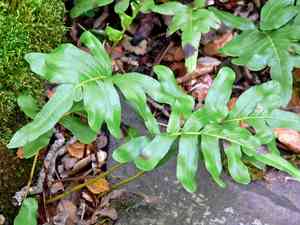
Leathery polypody flourishes when reproduced via division, particularly from robust rhizomes. For successful cultivation, select a section possessing multiple leaf nodes, as these are vital for root formation. Embed it in a porous, nutrient-rich medium at a shallow level to encourage simple root emergence and exposure to light, essential for photosynthesis and development.
Optimal Period for Leathery Polypody Propagation
Propagation Type
Cutting
Propagation Season
Spring,Summer
Tools Required for Leathery Polypody Propagation
Sharp pruning shears
These shears are vital for making clean cuts when taking leathery polypody segments for propagation. A precise cut helps prevent disease and damage to both the parent plant and the new growth. Sharp pruning shears ensure cuts are accurate and smooth, which is key for successful rooting.
Rooting hormone
This compound encourages root development from leathery polypody cuttings. Dipping the cut end of a segment into rooting hormone significantly boosts the chances of successful root formation. This is especially beneficial for leathery polypody, which might otherwise take longer to root.
Sterile potting mix
A sterile potting mix offers a clean, pathogen-free environment for leathery polypody cuttings to root. This medium should be free of diseases and pests, ensuring the plant's health during the critical initial stages of root growth.
Humidity dome or plastic bag
Maintaining high humidity is crucial for leathery polypody cuttings to prevent them from drying out before roots can establish. A humidity dome or a clear plastic bag over the planting container helps maintain the necessary moisture and humidity levels.
Heating mat (optional)
While not always necessary, a heating mat can accelerate growth by maintaining a consistent and ideal temperature around the rooting area. This tool can be particularly useful if propagating leathery polypody in cooler climates or during colder times of the year.
Method for Propagating Leathery Polypody
Propagation Type
Easy
Post-Propagation Care for Leathery Polypody
How to Care for Your Newly Propagated Leathery Polypody?
Once leathery polypody is established, care involves keeping the soil consistently moist but not waterlogged, providing indirect or partial shade, and ensuring high humidity. Regular misting or using a humidity tray can help maintain the necessary humidity levels. Avoid direct sunlight as it can scorch the fronds. Periodic feeding with a balanced, diluted fern fertilizer during the growing season will support healthy growth.
Common Errors to Avoid When Propagating Leathery Polypody
Overwatering
Excessive watering can lead to root rot in leathery polypody, hindering proper root development and weakening the plant.
Using non-sterile tools
Propagating with contaminated tools can introduce fungi or bacteria, leading to infections and poor growth.
Ignoring humidity needs
Failure to maintain a high humidity environment for leathery polypody can cause desiccation of spores and young fronds, impairing propagation.
Deep planting
Planting leathery polypody spores or divisions too deeply can suffocate them, preventing necessary air exchange for growth.
Advice for Propagating Leathery Polypody
Use fresh spores
Ensure the spores used for propagation are fresh, enhancing germination rates and vitality of new leathery polypody plants.
Sterilize propagation media
Sterilizing soil or any propagation medium helps prevent disease and promotes healthier growth.
Maintain high humidity
Keeping the environment humid supports spore germination and the growth of young fronds in leathery polypody.
Shallow planting
Surface-sowing leathery polypody spores or planting rhizome divisions shallowly allows for adequate light and air exposure, essential for growth.



