How to Prune Leathery polypody?
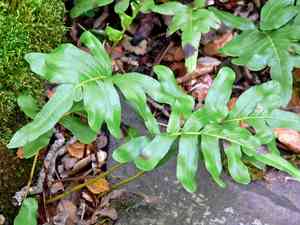
This perennial fern flourishes with minimal upkeep, yet judicious trimming enhances its aesthetic and vitality. For leathery polypody, detach any aged or compromised fronds at their base with sharp, disinfected shears. Perform pruning in spring to facilitate summer development, and potentially in autumn for neatness. Refrain from winter pruning to avert strain during inactive phases. Consistent trimming reduces pests and stimulates new, vigorous fronds, thereby improving leathery polypody's dense appearance in shaded garden areas.
Advantages of Trimming Leathery Polypody
Advantages of Trimming Leathery Polypody
Trimming leathery polypody encourages robust development, ensuring its continued health and vigor. It also preserves the plant's form for visual appeal and prevents excessive growth that could detract from its overall look and vitality.
Optimal Time for Trimming Leathery Polypody
Optimal Time for Trimming Leathery Polypody
Trimming leathery polypody in Spring coincides with the start of its growth period, allowing the plant to recover swiftly and direct energy into new development. Furthermore, removing dead or damaged fronds before active growth ensures the plant's resources are focused on healthy foliage. Autumn is another suitable period for trimming, as it enables leathery polypody to maintain its shape and health without the stress of peak summer heat, which can worsen wounds. This timing also helps prepare leathery polypody for dormancy, reducing the likelihood of disease and pest invasion during the plant's vulnerable phase.
Necessary Tools for Trimming Leathery Polypody
Sharp Bypass Pruners
Perfect for making clean cuts on leathery polypody's fronds, bypass pruners inflict minimal harm to plant tissues, aiding in disease prevention.
Precision Snips
Useful for trimming small or hard-to-reach areas of leathery polypody without harming surrounding fronds or stems.
Gloves with Grip
Though not a cutting tool, gloves with good grip are crucial for protecting the gardener's hands and providing better handling of leathery polypody during the trimming process.
How to Trim Leathery Polypody
Sanitize tools
Before beginning, ensure all trimming tools are clean and sterilized to prevent disease transmission to leathery polypody.
Remove diseased leaves
Carefully inspect leathery polypody for any diseased leaves. Use sharp, precision scissors to snip off infected foliage, cutting at the base of the leaf stalk without harming healthy tissue.
Trim withered leaves
Identify withered or yellowing leaves on leathery polypody and gently prune them off where they meet the stem or where the leaf stalk attaches to the rhizome, to encourage healthy growth and air circulation.
Cut dead branches
Look for any dead branches on leathery polypody showing no signs of green growth. Using sharp pruning shears, make a clean cut just above a living node or segment to stimulate new growth.
Prune diseased branches
If leathery polypody has any diseased branches, remove them by cutting at least several inches into healthy tissue to ensure complete removal of infected parts. Dispose of removed material properly to avoid contamination.
Common Trimming Errors with Leathery Polypody
Excessive trimming
Removing too many fronds from leathery polypody can weaken the plant, reducing its ability to photosynthesize and regrow healthily.
Cutting too close
Trimming leathery polypody fronds too near the rhizome can damage the plant's growing points, potentially hindering future growth or causing rot.
Disinfection neglect
Not disinfecting trimming tools before use can spread diseases between plants, which can be particularly detrimental to leathery polypody.
Trimming green fronds
Cutting away healthy, green fronds can unnecessarily stress leathery polypody, as these are vital for photosynthesis and overall health.
Ignoring dead material
Failing to remove dead or dying fronds can attract pests and diseases, negatively impacting the overall health of leathery polypody.
General Trimming Advice for Leathery Polypody
Selective trimming
Carefully choose only yellow, brown, or damaged fronds for removal, as this helps maintain the health and appearance of leathery polypody without over-trimming.
Clean cuts
Make clean cuts when trimming leathery polypody to promote faster healing and reduce the likelihood of disease entering the cuts.
Tool sharpness
Ensure trimming tools are sharp to make precise cuts and avoid tearing fronds, which could potentially harm leathery polypody.
Angled cuts
Cut fronds at an angle to prevent water accumulation on cut surfaces, which can encourage rot or fungal growth in leathery polypody.
Post-trimming care
After trimming, provide leathery polypody with sufficient water and, if appropriate, a light application of balanced fertilizer to support recovery and new growth.



