How to Transplant Appalachian polypody?
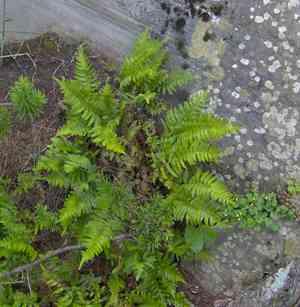
The optimal period for relocating appalachian polypody spans from the onset of early spring until the threshold of summer's heat, guaranteeing successful establishment. Place appalachian polypody in an area receiving filtered sunlight and possessing adequately draining soil to ensure its flourishing after transplantation.
What Preparations are Needed Before Transplanting Appalachian Polypody?
What is the Ideal Time for Transplanting Appalachian Polypody?
The best time to move appalachian polypody is during nature's reawakening, typically from when the ground thaws until just before summer's heat. This period leverages appalachian polypody's natural growth cycle, providing a window with moist soil, mild temperatures, and longer days that promote strong root development. Choosing this gentle part of the year helps ensure a smooth transition, fostering vigorous growth and allowing appalachian polypody to thrive in its new spot.
How Much Space Should You Leave Between Appalachian Polypody Plants?
When relocating appalachian polypody, aim for close spacing - less than 12 inches (30 cm) between each specimen. This provides sufficient room for each to flourish while maintaining a dense, full appearance in your garden.
What is the Best Soil Mix for Appalachian Polypody Transplanting?
Prepare a well-draining soil blend rich in organic material for appalachian polypody. Incorporate a mild, balanced fertilizer into the base to nourish the young plants. Ensure the pH is slightly acidic to neutral for optimal development.
Where Should You Relocate Your Appalachian Polypody?
Locate appalachian polypody in a spot with filtered sunlight; these ferns thrive in conditions of light shade. Avoid direct, intense afternoon sun, which can be too harsh. A north-facing area or the shaded side of a structure or tree is perfect.
What Equipments Should You Prepare Before Transplantation Appalachian Polypody?
Gardening Gloves
To safeguard your hands while handling soil and plants.
Shovel or Spade
To excavate and lift the root ball of appalachian polypody.
Watering Can or Hose
To hydrate appalachian polypody before and after its relocation.
Pruning Shears
To trim any damaged or dead fronds prior to transplanting.
Garden Trowel
For smaller digging tasks and refining the planting hole.
Wheelbarrow
To move appalachian polypody and any soil amendments if needed.
Measuring Tape
To determine the correct planting distance between ferns if planting multiple.
How Do You Remove Appalachian Polypody from the Soil?
How Do You Remove Appalachian Polypody from the Soil?
From Ground: Water appalachian polypody to moisten the soil, making excavation easier. Use a shovel or spade to dig a wide trench around appalachian polypody, being careful not to harm the root ball. Gently lift appalachian polypody out with as much soil attached to the roots as possible.From Pot: Start by thoroughly watering the appalachian polypody. Tilt the container sideways and gently tap the bottom to loosen the soil and roots. Using your hands, slide the root ball out while preserving as much of the root structure as possible.From Seedling Tray: Lightly water the soil to facilitate easier removal of the appalachian polypody. Use a garden trowel or your fingers to gently lift the plant by the base of the fronds, taking care not to damage the delicate roots.
Step-by-Step Guide for Transplanting Appalachian Polypody
Hole Preparation
Dig a hole in the ground that is twice as wide and equally as deep as the root ball of appalachian polypody.
Root Inspection
Before planting, examine the roots and remove any that are dead or damaged.
Placement
Position appalachian polypody in the hole, with the top of the root ball level with the surrounding soil surface.
Soil Amendment
If you have soil amendments, mix them with the excavated soil before backfilling around appalachian polypody.
Backfilling
Gently refill the hole with soil. Firm the soil around the appalachian polypody by pressing down lightly with your hands.
Watering
Water appalachian polypody thoroughly after planting to settle the soil and hydrate the roots.
Mulching
Apply a layer of mulch around appalachian polypody to conserve moisture and reduce weed competition.
How Do You Care For Appalachian Polypody After Transplanting?
Initial Watering
Ensure the soil around appalachian polypody stays consistently moist for the first few weeks to aid root establishment.
Observation
Regularly check appalachian polypody for signs of distress, such as wilting or discolored fronds, and adjust care as needed.
Mulching
Maintain the mulch layer to keep the root zone temperature stable and to retain soil moisture.
Pruning
Remove any damaged fronds to encourage new growth and maintain plant health.
Gradual Acclimation
Allow appalachian polypody to slowly adjust to outdoor conditions if it was previously grown indoors.
Troubleshooting Common Issues with Appalachian Polypody Transplantation.
When's the best time to transplant appalachian polypody?
Optimal transplanting time for appalachian polypody is during the cooler months of early to late spring.
How should I space appalachian polypody when transplanting?
For best growth, space appalachian polypody less than 12 inches (30 cm) apart to allow adequate room.
What's the recommended soil type for transplanting appalachian polypody?
Plant appalachian polypody in well-draining soil rich in organic matter to encourage healthy root development.
Why are my transplanted appalachian polypodys wilting?
Wilting after transplanting could be due to shock. Ensure ample water and avoid full sun initially.
How much water does appalachian polypody need after transplanting?
Keep the soil consistently moist but not soggy for appalachian polypody to establish its root system post-transplant.
Can I fertilize appalachian polypody right after transplanting?
Wait a few weeks before applying a balanced fertilizer to avoid burning the newly established roots.
What sun exposure is best for appalachian polypody post-transplant?
Position appalachian polypody in an area with partial shade to shelter it from harsh afternoon sun.
How deep should I plant appalachian polypody during transplantation?
Ensure the root ball sits level with the surrounding soil surface to facilitate proper growth.
Is mulching beneficial for appalachian polypody after transplanting?
Yes, mulching helps retain soil moisture and regulates temperature, aiding appalachian polypody's acclimation.
What if leaves on my appalachian polypody turn yellow after transplanting?
Yellowing leaves may signify stress. Check for proper watering, sunlight, and soil conditions to address the issue.



