How Much Sunlight Do Appalachian polypody Need?
1
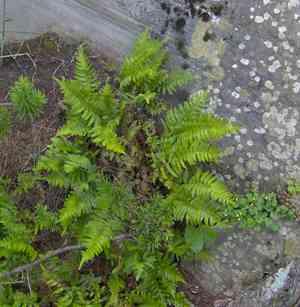
Appalachian polypody flourishes in dimly lit areas, making it a perfect choice for gardens with limited sun.
2
Too much sun can scorch Appalachian polypody leaves, resulting in brown and brittle edges.
3
Employing a shade fabric can greatly assist in managing the amount of sunlight outdoor Appalachian polypody plants receive.
Grasping Sunlight Needs for Appalachian Polypody
Native Environment and Light Exposure
Originating in the Appalachian region, the Appalachian polypody naturally thrives in woodlands and shaded, rocky areas. This fern favors the filtered light passing through the tree canopy. In its natural setting, it seldom experiences prolonged direct sun. Understanding this natural context aids in replicating ideal conditions in your garden or home.
Why Light is Vital for Appalachian Polypody
Sunlight is crucial for photosynthesis, a process essential for the plant's development and health. However, the Appalachian polypody has adapted to low-light conditions, relying on indirect sun. Excessive direct sunlight can stress the plant, while inadequate light can impede its growth and cause it to lose its vibrant green hue.
Ideal Sunlight Conditions for Appalachian Polypody
Preferred Illumination: Shade vs. Partial Shade
The Appalachian polypody flourishes best in full to partial shade environments. Aim to provide less than 3 hours of direct sunlight daily, ideally in the morning or late afternoon. If grown indoors, positioning the plant near a north or east-facing window will help mimic these conditions. Outdoors, locate it beneath a tree or next to a structure that blocks harsh midday sun.
Indoor vs. Outdoor Light Conditions
When cultivated indoors, the Appalachian polypody benefits from indirect light. Ensure the plant is not directly adjacent to south or west-facing windows where it might receive too much sun during peak hours. Outdoor conditions demand careful placement – under the cover of taller plants or structures to prevent damage from direct sun exposure. Adjustments may be needed based on seasonal light variations.
Indicators of Improper Sunlight Exposure in Appalachian Polypody
Signs of Excessive Sunlight
Too much sun can lead to leaf scorch, appearing as browning or brittle edges on the fronds. You might also notice the fronds becoming pale or yellow. If the plant is in direct sunlight for an extended period, the increased temperature and light intensity can cause wilting and stunted development.
Signs of Insufficient Sunlight
While the Appalachian polypody prefers lower light levels, too little light can result in reduced photosynthesis. This condition is evident if the fronds become overly dark green and elongated. The plant may also exhibit slow growth, and in severe instances, fronds might curl or drop prematurely.
Advice for Managing Sunlight Exposure for Appalachian Polypody
Utilizing Shade Cloths and Strategic Plant Placement
Shade cloths are an excellent tool for regulating sun exposure, especially for outdoor plants. Select a cloth with a 30-50% shade factor, which will adequately filter the sunlight. Position the shade cloth above or around your Appalachian polypody, ensuring it still receives ambient light. Thoughtfully placing the plant under larger foliage or nearby structures can create a suitable microenvironment resembling its natural habitat.
Adjusting Indoor Illumination
If you're growing Appalachian polypody indoors, consider using sheer curtains to diffuse sunlight. Alternatively, moving the plant further from windows can also help. If artificial lighting is necessary, opt for grow lights that simulate natural light without the intensity. Timers can assist in regulating the amount of light the plant receives, ensuring it adheres to its preferred daily light cycle.



