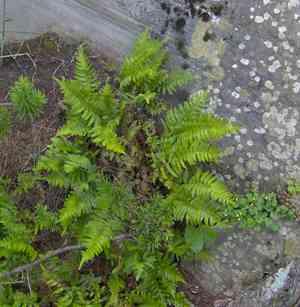
Appalachian polypody (Polypodium appalachianum)
Also known as: Appalachian polypody, Appalachian rockcap fern
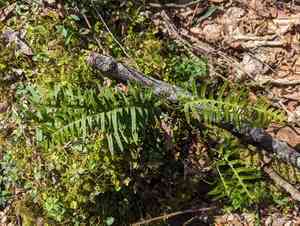
The Appalachian polypody (Polypodium appalachianum) is a terrestrial fern that thrives in cool, moist environments, often on rocks and crevices. Its fronds emerge directly from the ground, connected to long underground rhizomes. This plant absorbs essential nutrients and water from the soil through its roots and relies on photosynthesis for energy production.
In This Article
Attributes of Appalachian polypody
Lifespan
Perennial
Plant Type
Herb
Plant Height
15 cm to 30 cm
Spread
N/A
Leaf Color
Green
Flower Size
N/A
Flower Color
N/A
Images of Appalachian polypody
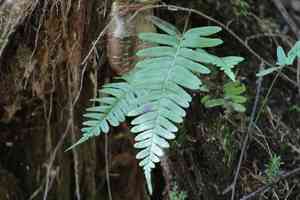
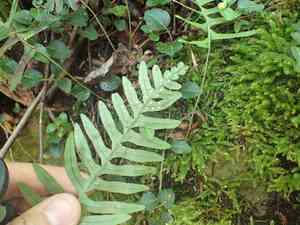
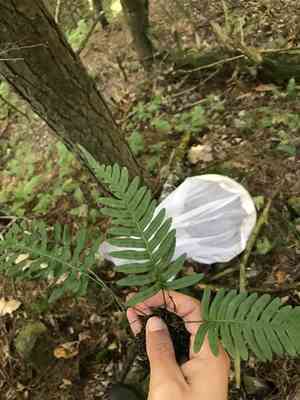
Quickly Identify Appalachian polypody
1
Leathery, elongated fronds ranging from bright to deep green.
2
Compact, closely spaced leaflets on fronds with dense foliage appearance.
3
Golden brown stem with whitish powdery bloom, smooth texture and minimal branching.
4
Distinctive deeply lobed leaves with pinnafid fronds, yellow maturing to brown sori.
5
Leaves oblong to lanceolate, up to 15 inches (38 cm) long and 3.5 inches (9 cm) wide.
Scientific Classification of Appalachian polypody
Phylum
Vascular plants
Class
Ferns
Order
Polypodiales
Family
Polypody
Genus
Polypodies
Species
Appalachian polypody
Planting and Growing of Appalachian polypody
Care Difficulty
Easy
Watering Schedule
Every 2 days
Sunlight Requirements
Partial sun
Sunshine Duration
4-8 hours
Ideal Temperature
60-75℉
Soil Type
Potting Mix, Peat Mix
Soil pH
6.5-7.5
Fertilizer Type
Balanced
Pruning Season
Spring, Summer
Pruning Area
Branches, Leaves
Pruning Frequency
2 times a year
Repotting Season
Spring
Pot Type
Plastic, Ceramic
 How to Water Appalachian polypody?
For Polypodium appalachianum, ensure the soil is evenly moist but not waterlogged. Use about 250 ml of water per session, enough to dampen the soil thoroughly without excess pooling. This species thrives best when its delicate root system receives adequate moisture to mimic its native damp forest floor habitat.
What are the symptoms of an underwatered Appalachian polypody?
›
What should I do if my Appalachian polypody is not getting enough water?
›
What are the symptoms of an overwatered Appalachian polypody?
›
How to save an overwatered Appalachian polypody?
›
 What Are the Sunlight Requirements for Appalachian polypody?
Polypodium appalachianum favors partial sun or full shade, benefiting from gentle light conditions that reduce evaporation and stress while promoting stable, healthy growth. Its foliage remains lush, maintaining high photosynthetic efficiency and vibrancy.
More About Sunlight Requirements Techniques→
What are the ideal lighting conditions for Polypodium appalachianum?
›
How can I ensure Polypodium appalachianum gets optimal light?
›
What benefits does Polypodium appalachianum receive from ideal light?
›
 What Is the Ideal Temperature Range for Appalachian polypody?
The ideal temperature range for Polypodium appalachianum involves maintaining conditions that favor its growth and physiological processes. Ideally, these temperatures should be between 60°F and 75°F, ensuring that the plant can photosynthesize and metabolize efficiently without stress.
 What Soil is Best for Appalachian polypody?
Polypodium appalachianum thrives in soil that retains moisture without becoming waterlogged. This helps the plant maintain hydration, promoting healthy growth and minimizing stress on the roots. A nutrient-rich soil supports the fern's nutrient uptake, fostering lush foliage and robust health. This requirement ensures the plant gets all necessary minerals for optimal development. The soil must be well-drained to prevent root rot and other water-related issues. Proper drainage facilitates the aerobic respiration of roots, essential for healthy plant function.
 How to Fertilize Appalachian polypody?
When fertilizing Polypodium appalachianum, use a balanced fertilizer diluted to half strength for liquid applications. This approach ensures the plant receives nutrients without overwhelming it, maintaining vibrant and healthy growth.
 How to Prune Appalachian polypody?
Polypodium appalachianum has a distinctive creeping growth habit. Familiarize yourself with this pattern as it will guide you during pruning, ensuring you leave enough healthy fronds to support new growth. Fern fronds can be delicate, so handle them gently. When cutting, make the snip at the base of the frond, close to the rhizome, but be careful not to cut into the rhizome itself as it is crucial for the plant's growth.
More About Pruning Techniques→
 How to Propagate Appalachian polypody plant?
1
Begin by watering the plant thoroughly a day before division. Hydration helps minimize stress during the division process. Ensure the plant is healthy and disease-free to increase the chances of successful propagation.
2
Using a garden fork, gently lift the plant clump from the ground. Take care to preserve as much of the root structure as possible. Loose soil is preferable, as it reduces the risk of root damage when removing the plant.
3
With a sharp knife, separate the clump into smaller sections. Each section should have a healthy growth tip and a decent mass of roots. Avoid making overly small divisions, as they might not establish as quickly or strongly.
 How to Repot Appalachian polypody plant?
1
Polypodium appalachianum typically shows signs of needing repotting when its roots begin to grow out of the drainage holes or the soil appears compacted. Another clear signal is when water passes through the pot more quickly than usual. These conditions suggest that the plant needs more space to grow and should be repotted.
2
Opt for a pot that is one size larger than the current pot. Ensure that it has adequate drainage holes to prevent water accumulation, which can lead to root rot. A slightly heavier pot may also be beneficial as it provides stability, particularly for top-heavy plants. Using the correct pot size allows for optimum root expansion without overwhelming the plant with excess soil.
3
A rich, well-draining soil mix is essential for Polypodium appalachianum. This type of soil allows for adequate air flow to the roots while retaining enough moisture to support growth. Incorporating organic matter, such as peat or compost, enriches the soil and supports healthy, robust fern growth, minimizing the risk of root diseases.



