How to Prune Appalachian polypody?
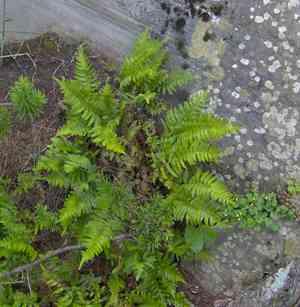
The resilient appalachian polypody, featuring evergreen foliage, thrives with limited trimming to preserve its inherent form. In spring, prior to the emergence of new growth, remove any withered or compromised fronds at their base to foster more robust foliage. Furthermore, discretionary aesthetic trimming can be performed following the summer growth surge or in early autumn; however, refrain from extensive cutting to safeguard the plant's vigor. Consistent pruning enhances air movement and diminishes the likelihood of disease, guaranteeing a lively presentation.
What Are the Benefits of Pruning Appalachian Polypody?
What Are the Benefits of Pruning Appalachian Polypody?
Trimming appalachian polypody promotes robust development and maintains its desired visual form. Through careful cutting, gardeners can foster a healthier, stronger plant structure, aiding in disease prevention.
What Is the Best Time for Pruning Appalachian Polypody?
What Is the Best Time for Pruning Appalachian Polypody?
Pruning appalachian polypody in early spring is optimal as the plant emerges from dormancy, and trimming will stimulate vigorous new growth without causing stress. Early autumn is also suitable, allowing cuts to heal before winter's arrival, but avoid late fall pruning as new growth might not harden off in time for cold weather. Summer is not advised due to potential stress from heat and reduced moisture for appalachian polypody.
What Tools Do I Need to Prune Appalachian Polypody?
Sharp Bypass Pruners
Perfect for making clean cuts without harming appalachian polypody stems. These pruners work well on the plant's relatively thin, delicate fronds and can easily cut through any dead or diseased foliage.
Precision Snips
These are ideal for trimming small or hard-to-reach sections of appalachian polypody, such as fronds that are tangled or close to the ground. Their accuracy allows for targeted pruning without damaging adjacent healthy foliage.
Small Gardening Scissors
May be used for light trimming of appalachian polypody's fronds. They offer control and accuracy for shaping or removing small portions of the fronds without causing undue stress to the plant.
How to Prune Appalachian Polypody
Identify
Thoroughly examine appalachian polypody to pinpoint diseased leaves, withered leaves, dead branches, and diseased branches that require trimming.
Disinfect
Sanitize your pruning tools with isopropyl alcohol or a bleach solution beforehand to prevent the spread of disease.
Remove leaves
Carefully snip off diseased and withered leaves at their base, using clean, sharp scissors or pruning shears for a precise cut.
Prune branches
Cut dead and diseased branches back to their origin point or to healthy tissue, ensuring cuts are clean and avoid tearing the plant's tissues.
Cleanup
Collect and discard all removed plant material to prevent disease spread and keep the area around appalachian polypody neat.
Common Pruning Mistakes with Appalachian Polypody
Over-pruning
Removing too much foliage at once can stress appalachian polypody, as it relies on its fronds for photosynthesis and energy production.
Imprecise cuts
Making jagged or torn cuts can introduce pathogens and lead to poor healing of appalachian polypody's fronds.
Pruning healthy fronds
Trimming fronds that are green and vibrant can hinder appalachian polypody's growth, as these are essential for its photosynthesis and overall energy.
Using dirty tools
Not sterilizing pruning tools can spread disease to appalachian polypody, potentially leading to infection and loss of the plant.
Ignoring plant architecture
Failing to consider the natural shape and growth pattern of appalachian polypody can result in an unbalanced appearance and may harm the plant's structure.
Common Pruning Tips for Appalachian Polypody
Selective thinning
Carefully remove only the fronds that are dead, damaged, or diseased to maintain the health and aesthetic of appalachian polypody.
Clean cuts
Use sharp and sterilized pruning tools to make clean cuts close to the rhizome, helping appalachian polypody to heal quickly and prevent disease entry.
Post-bloom pruning
After the plant's growth period, trim any unattractive fronds to divert energy to healthier parts of appalachian polypody.
Gentle handling
Handle appalachian polypody with care during pruning to avoid damaging sensitive rhizomes and the remaining healthy fronds.
Frond disposal
Dispose of pruned material properly away from the plant to prevent rot and fungal disease in appalachian polypody.
Regular maintenance
Regularly inspect and lightly prune appalachian polypody to remove unsightly foliage and encourage a tidy growth habit without drastic cutting back.



