How to Transplant Beach knotweed?
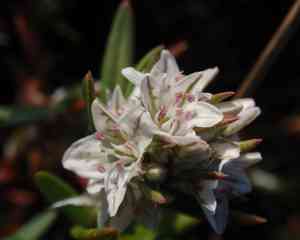
Beach knotweed flourishes when transplanted between early and late spring, benefiting from the moderate climate. Position them in locations receiving full sun or partial shade, utilizing soil that drains effectively for peak development. Regulate irrigation to sustain continuous soil moisture.
What Preparations are Needed Before Transplanting Beach Knotweed?
What is the Ideal Time for Transplanting Beach Knotweed?
The best time to move beach knotweed is from early spring through its later stages. This period allows beach knotweed to develop stronger roots before summer's heat. Transplanting then boosts beach knotweed's growth and resilience, helping it adapt better to new spots and encouraging robust spring and summer development.
How Much Space Should You Leave Between Beach Knotweed Plants?
When relocating beach knotweed, ensure each plant is spaced 12-18 inches (30-45 cm) apart. This provides ample room for their growth and comfortable spread.
What is the Best Soil Mix for Beach Knotweed Transplanting?
Prepare soil that drains well, enriched with compost. Beach knotweed thrives in sandy or loamy soil. Adding a balanced base fertilizer, like 10-10-10, will supply essential nutrients.
Where Should You Relocate Your Beach Knotweed?
Select a sunny spot for transplanting beach knotweed, as it prefers full sunlight. Aim for at least 6 hours of direct sun daily to maintain the plant's health and vigor.
What Equipments Should You Prepare Before Transplantation Beach Knotweed?
Gardening Gloves
To safeguard your hands while handling soil and plants.
Shovel or Spade
For excavating the plant from its original spot and creating a new hole for relocation.
Watering Can or Hose
To hydrate the plant both before and after its move.
Trowel
For more precise digging and planting, especially useful with pots or seedling trays.
Garden Fork
To assist in lifting the plant without harming its roots, particularly from pots or trays.
Bucket or Container
To transport the plant if the new site isn't directly adjacent.
How Do You Remove Beach Knotweed from the Soil?
How Do You Remove Beach Knotweed from the Soil?
From Ground: First, moisten the soil around the beach knotweed plant. Then, dig a wide trench around the plant using a shovel or spade, keeping the plant's root ball intact. Carefully work the spade beneath the root ball to lift the plant from its original spot.From Pot: Start by watering the beach knotweed plant to loosen the soil. Gently tap the pot's sides to free the plant. Tilt the pot and carefully slide the plant out, supporting the root ball with your hand.From Seedling Tray: Water the beach knotweed seedlings to facilitate removal. Use a trowel or your fingers to gently lift each seedling from the tray, ensuring the roots remain undamaged.
Step-by-Step Guide for Transplanting Beach Knotweed
Site Preparation
Prepare the new planting location by digging a hole slightly larger than the root ball of your beach knotweed plant.
Remove Plant
Carefully extract the beach knotweed from its initial spot, following the correct procedure for ground, pot, or seedling tray.
Inspect Roots
Examine the roots of your beach knotweed for any signs of damage or disease. Trim any compromised roots with clean scissors or pruners.
Planting
Position the beach knotweed in the new hole, ensuring the top of the root ball is level with the surrounding soil. Fill the hole with soil, gently pressing down to remove air pockets.
Watering
Water the beach knotweed thoroughly immediately after transplanting to help settle the soil around its roots.
How Do You Care For Beach Knotweed After Transplanting?
Watering
Keep the soil around the beach knotweed consistently damp, but not waterlogged, for the initial weeks post-transplant to aid in root establishment.
Mulching
Apply a layer of mulch around the base of the beach knotweed to retain moisture and stabilize soil temperature.
Monitoring
Regularly check the beach knotweed for indications of stress, such as wilting or yellowing leaves, and adjust care as necessary.
Troubleshooting Common Issues with Beach Knotweed Transplantation.
When is the best time to transplant beach knotweed?
Relocate beach knotweed from early spring to late spring for optimal outcomes.
How should I space beach knotweed when transplanting?
Space beach knotweed plants 12-18 inches (30-45 cm) apart for ideal growth.
What type of soil is ideal for beach knotweed?
Beach knotweed prefers well-draining soil, enriched with compost or organic matter.
How deep should I plant beach knotweed?
Plant beach knotweed at the same depth as it was in its previous location.
What should I do if beach knotweed wilts after transplanting?
Ensure beach knotweed is adequately watered and shielded from direct sunlight for a few days.
Should I fertilize beach knotweed after transplanting?
Lightly fertilize beach knotweed with a balanced, slow-release fertilizer to support its new growth.
How often should I water newly transplanted beach knotweed?
Water beach knotweed regularly, ensuring the soil remains consistently moist but not waterlogged.
What is the optimal temperature for transplanting beach knotweed?
Transplant beach knotweed when temperatures are consistently between 50-70°F (10-21°C).
How can I protect beach knotweed from transplant shock?
Avoid disturbing the roots and water beach knotweed immediately after transplanting to minimize shock.
Can I transplant beach knotweed in the fall?
Transplanting beach knotweed is best done in spring; fall conditions may stress the plant too much.



