How to Prune Beach knotweed?
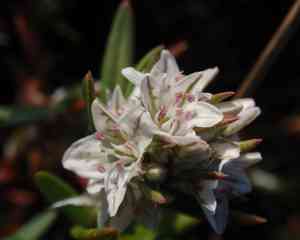
Polygonum maritimum is a hardy, ground-hugging perennial frequently encountered in seaside environments. To preserve its structure and stimulate vigorous development, perform pruning in early spring or late winter. Eliminate any lifeless or compromised stalks, and shorten any excessively long sections to sculpt the plant. Consistent trimming enhances air movement and diminishes the likelihood of illness. Sever stems directly above a leaf joint for the most favorable outcomes. These methods guarantee a strong and appealing horticultural display.
What Are the Benefits of Pruning Beach Knotweed?
What Are the Benefits of Pruning Beach Knotweed?
Trimming beach knotweed encourages robust development, maintains its form, and stimulates vigorous growth. This upkeep routine aids in disease prevention, manages the plant's dimensions, and enhances its overall look.
What Is the Best Time for Pruning Beach Knotweed?
What Is the Best Time for Pruning Beach Knotweed?
Trimming beach knotweed in early spring or late winter is ideal as this period coincides with its dormant state, minimizing stress and lowering infection risk. This timing also allows for the removal of any damaged or dead wood prior to the active growth season, fostering healthier new growth. Pruning during dormancy can also improve the plant's structure and encourage a more prolific flowering period in the subsequent growing season.
What Tools Do I Need to Prune Beach Knotweed?
Bypass Pruners
These are perfect for making precise cuts on small branches and stems, minimizing harm to beach knotweed. Bypass pruners deliver accurate cuts necessary for shaping and maintaining healthy development.
Long-handled Loppers
Excellent for reaching and cutting thicker stems or branches that are difficult to access. Loppers provide greater leverage and cutting power for more substantial parts of beach knotweed.
Hedge Shears
Useful for trimming and preserving the shape of beach knotweed. Hedge shears enable uniform cutting over larger areas, making them suitable for controlled and consistent shaping.
Pruning Saw
For thicker and woodier sections of beach knotweed, a pruning saw ensures clean cuts without crushing. It's crucial for efficiently handling overgrown areas.
How to Prune Beach Knotweed
Inspection
Thoroughly examine beach knotweed to identify any diseased leaves and withered leaves that require removal. Look for indications of illness such as discoloration, spots, or unusual shapes.
Sterilize tools
Sanitize your pruning implements using rubbing alcohol or a bleach solution to prevent the spread of disease to healthy portions of beach knotweed.
Remove diseased leaves
Carefully cut away the diseased leaves with sterilized pruning shears, making clean cuts near the base of the affected leaves to minimize plant harm.
Remove withered leaves
Trim withered leaves by making a precise cut at their base where they connect to the main stem. Avoid harming surrounding healthy foliage.
Disposal
Properly dispose of all removed leaves by placing them in a trash bag and not composting, to prevent disease propagation.
Common Pruning Mistakes with Beach Knotweed
Incorrect technique
Using improper tools or methods, such as dull shears, can damage beach knotweed by creating jagged cuts that invite disease.
Over-pruning
Removing too much foliage at once can stress beach knotweed, diminishing its capacity to photosynthesize and recover.
Pruning at the wrong times
Trimming during unsuitable periods can disrupt beach knotweed's growth cycle, potentially impacting its ability to flower and flourish.
Neglecting cleanup
Leaving pruned debris around beach knotweed can create a breeding ground for pests and diseases, jeopardizing plant health.
Common Pruning Tips for Beach Knotweed
Sharp, clean tools
Always use sharp, clean pruners to make precise cuts, which helps beach knotweed heal faster and reduces infection risk.
Targeting dead or damaged wood
Focus on removing dead, damaged, or diseased branches first to encourage healthy growth and air circulation within beach knotweed.
Moderation
Practice moderation by pruning no more than one-third of beach knotweed's foliage at a time to prevent undue stress.
Cutting above healthy nodes
Make cuts just above a healthy node or bud to stimulate new growth in the desired direction for beach knotweed.
Consistent maintenance
Regularly monitor and maintain beach knotweed with light pruning rather than waiting for overgrowth, ensuring the plant remains healthy and manageable.



