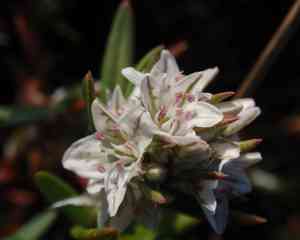
Beach knotweed (Polygonum paronychia)
Also known as: American knotweed, Prairie goldenrod
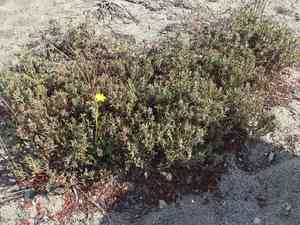
Polygonum paronychia is a small, low-lying or occasionally upright shrub that can grow up to a meter in length. It features numerous, branching brown stems. The leaves are narrow, ranging from linear to lance-shaped, with rolled edges and bristly midribs on their undersides. The plant produces small flowers in the leaf axils, characterized by five slender white or pinkish petals.
In This Article
Attributes of Beach knotweed
Lifespan
Perennial
Plant Type
Herb
Plant Height
30 cm to 91 cm
Spread
30-60 cm
Leaf Color
Green
Flower Size
0.5 cm
Flower Color
Yellow
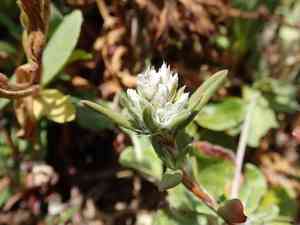
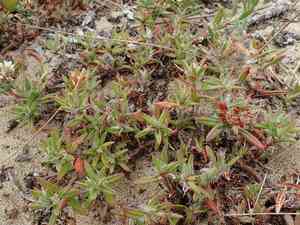
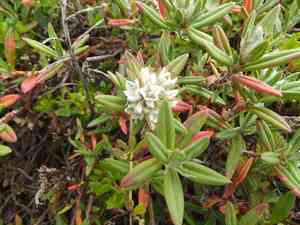
Images of Beach knotweed
Quickly Identify Beach knotweed
1
To identify Polygonum paronychia, look for its small, clustered yellow flowers and elongated, lance-shaped leaves. It often grows close to the ground, forming a dense mat.
Scientific Classification of Beach knotweed
Phylum
Vascular plants
Class
Dicotyledons
Order
Caryophyllales
Family
Buckwheat
Genus
Knotweeds
Species
Beach knotweed
Planting and Growing of Beach knotweed
Care Difficulty
Easy
Watering Schedule
Every 3 days
Sunlight Requirements
Full sun
Sunshine Duration
4-6 hours
Ideal Temperature
60-75℉
Soil Type
Potting Mix, Peat Mix
Soil pH
6.5-7.5
Fertilizer Type
Balanced
Pruning Season
Spring, Summer
Pruning Area
Branches, Leaves
Pruning Frequency
2 times a year
Repotting Season
Spring
Pot Type
Plastic, Ceramic
 How to Water Beach knotweed?
For Polygonum paronychia, water it with about 200 ml. of water per session. Ensure the soil is moist but not soggy, resembling a well-wrung sponge. This plant prefers a regular moisture level rather than being saturated, so let the top inch of soil dry out slightly before the next watering.
What are the symptoms of an underwatered Beach knotweed?
›
What should I do if my Beach knotweed is not getting enough water?
›
What are the symptoms of an overwatered Beach knotweed?
›
How to save an overwatered Beach knotweed?
›
 What Are the Sunlight Requirements for Beach knotweed?
Polygonum paronychia thrives under full sun conditions. This exposure supports robust growth, vibrant leaf color, and overall plant health, making sunlight integral to its success.
Where should Polygonum paronychia be placed?
›
What is the optimal sunlight exposure for Polygonum paronychia?
›
How to manage light exposure effectively for Polygonum paronychia?
›
 What Is the Ideal Temperature Range for Beach knotweed?
Polygonum paronychia thrives best in a temperature range between 60°F and 75°F. This range ensures the plant has optimal conditions for photosynthesis and growth. Maintaining the environment within this range enhances the physiological processes necessary for a robust and healthy plant.
 What Soil is Best for Beach knotweed?
Polygonum paronychia thrives in well-drained soils that prevent waterlogging. The ability to drain properly ensures roots have access to the oxygen they need, reducing the risk of root rot. While not overly demanding, this plant benefits from soils that can offer a balanced supply of nutrients. A rich loam soil or one amended with organic matter can provide necessary nutrition for healthy growth. This plant prefers soils with moderate fertility levels. Excessive nutrients might promote rapid growth but can lack resilience, while too little might stunt development. A balanced soil enhances its adaptive growth pattern.
 How to Fertilize Beach knotweed?
For Polygonum paronychia, it is important to ensure that you do not over-fertilize. Use half-strength liquid fertilizer every two weeks during the growing season. For slow-release fertilizers, apply according to package instructions, typically around 5-10 grams per plant per application.
 How to Prune Beach knotweed?
Avoid pruning during the hottest part of the day or when the plant is wet, as this can cause unnecessary stress or lead to disease. Early morning or late afternoon is ideal for pruning. While pruning, handle the stems gently to minimize damage. Aggressive pruning can stress the plant, so aim to cut less than one-third of the plant's total growth at a time.
More About Pruning Techniques→
 How to Propagate Beach knotweed plant?
1
Gather seeds from mature Polygonum paronychia plants. Ensure the seeds are fully developed and free from disease or pests before storing them in a cool, dry place until planting.
2
Select healthy and robust stems from the parent plant, and use pruning shears to cut a 4-6 inch section. Remove any leaves from the lower half to prevent rot when planted in the substrate.
3
Carefully lift the plant from the soil and gently divide the root clumps, ensuring each division has roots attached. This can be facilitated by soaking the roots in water to loosen the soil and minimize damage.
 How to Repot Beach knotweed plant?
1
Repotting Polygonum paronychia is best done when you observe signs such as roots protruding from the drainage holes, soil drying out too quickly, or stunted growth. These are clear indicators that the plant has outgrown its current home and needs more space to thrive.
2
Select a pot that is 1-2 inches larger in diameter than the current pot. Ensure that it has good drainage holes to prevent waterlogging. Choosing a slightly larger pot allows the roots to expand, promoting healthier growth without overwhelming the plant with too much extra space.
3
The ideal soil for repotting Polygonum paronychia is a well-draining sandy mix. This type of soil mimics the plant's natural environment, providing excellent drainage and preventing root rot. It allows the roots to access necessary nutrients while ensuring they do not sit in water.
Learn More About Beach knotweed Diseases
Anthracnose
Bacterial Leaf Spot
Bacterial Wilt
Chemical Injury
Damping-off
Downy Mildew
Drought Stress
Fusarium Wilt
Gray Mold
Leaf Curl
Leaf Spot
Mosaic
Nutrient Deficiency
Nutrient Toxicity
Powdery Mildew
Root Rot
Root-knot Nematode
Rusts
Sooty Mold
Spider Mites
Temperature Stress
Thrips Damage
White Mold



