How to Propagate Beach knotweed?
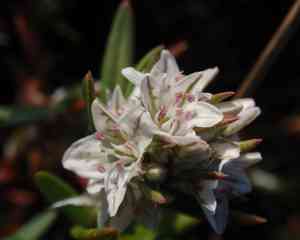
Polygonum maritimum flourishes optimally in sandy, well-draining substrates and full sun, characteristic of littoral zones. For seed propagation, guarantee placement in a finely textured substrate and maintain consistent dampness until sprouting occurs. Separating mature clusters also presents a viable method. Shield juvenile specimens from severe gusts and salty conditions to foster peak development. Sufficient distance between plants will aid in reducing pathogen dissemination and promoting vigorous growth.
Optimal Time for Beach Knotweed Propagation
Propagation Method
Seeding
Propagation Period
Spring
Tools for Beach Knotweed Propagation
Seed tray
Seed trays are crucial for initiating beach knotweed seeds. They offer a regulated setting where seeds can sprout and mature into young plants. The divisions in seed trays aid in managing and separating individual plants, ensuring ample growth space without competition for nutrients and light.
Potting soil
Premium potting soil is vital for germinating beach knotweed seeds. It must drain well to prevent waterlogging, which can cause root rot, yet hold enough moisture for germination. Potting soil should also be rich in organic matter to supply essential nutrients during early growth.
Water mister
A water mister is beneficial for maintaining the high humidity levels around beach knotweed seeds, which are necessary for successful germination. Misting prevents the soil surface from drying out, ensuring consistent moisture without the risk of overwatering or soil compaction.
Heating mat
A heating mat provides consistent warmth from below, which can be particularly advantageous for germinating beach knotweed seeds. Maintaining an ideal soil temperature promotes quicker and more uniform germination, especially in cooler climates or during early spring planting.
Humidity dome
A humidity dome placed over seed trays creates a miniature greenhouse effect, maintaining high humidity and a stable temperature around the seeds. This environment is perfect for germinating beach knotweed, as it prevents drying out and supports healthy seedling development.
Seed dibber
A seed dibber is used to create small, precise holes in the soil at the correct depth for sowing beach knotweed seeds. This tool ensures seeds are planted at the optimal depth for germination, promoting even and healthy growth.
Plant labels
Plant labels are important for tracking beach knotweed seeds, especially when propagating multiple plant species. Clear labeling helps manage and monitor the progress of each batch of seeds, ensuring specific care instructions are followed accurately.
Pruning shears
Pruning shears are essential for trimming and shaping young beach knotweed seedlings as they grow. Regular pruning encourages bushier growth and helps prevent disease spread by removing damaged or diseased plant parts.
How to Propagate Beach Knotweed?
Propagation Type
Simple
Caring for Your Newly Propagated Beach Knotweed
Caring for Your Newly Propagated Beach Knotweed
Once seedlings are transplanted, ensure they are in a spot with full sun to partial shade. Water regularly, allowing the soil to dry slightly between waterings to prevent root rot. Provide support for climbing varieties if needed. Apply a balanced fertilizer monthly during the growing season for optimal growth. Mulch around the base to retain soil moisture and suppress weeds. Prune as necessary to encourage bushy growth and remove any dead or diseased foliage.
Common Errors to Avoid When Propagating Beach Knotweed
Overwatering
Too much water can lead to root rot, which is harmful to beach knotweed's health and can cause the plant to perish.
Poor Soil Drainage
Using soil that holds too much water can suffocate roots and hinder effective propagation.
Insufficient Light
Beach knotweed requires adequate sunlight to flourish. Lack of light can slow growth and reduce the chances of successful propagation.
Incorrect Cutting Technique
Improperly taking cuttings can harm the plant and result in low propagation success rates.
Neglecting Pests
Failing to monitor for pests can lead to infestations that severely impact the health of beach knotweed.
Tips For Propagating Beach Knotweed
Use Well-Draining Soil
Ensure the soil mix allows excess water to drain away, preventing root rot.
Moderate Watering
Water sparingly and allow the soil to dry slightly between waterings to avoid over-saturation.
Provide Ample Sunlight
Place beach knotweed in an area where it receives plenty of sunlight to encourage healthy growth.
Correct Cutting Technique
Use a sharp, sterilized tool to take cuttings just below a node, and remove lower leaves to prevent mold and rot.
Monitor for Pests
Regularly check for pests such as aphids or mites and treat promptly to maintain plant health.



