How to Transplant Bulbous bluegrass?
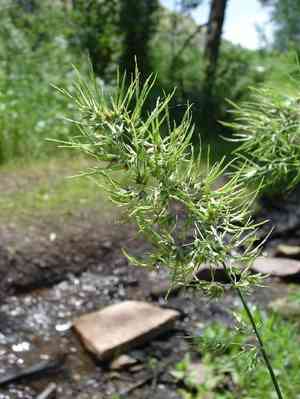
For bulbous bluegrass, the ideal period for transplanting is when temperatures are consistently mild and freezing conditions have passedâusually during the onset of early summer. Select a location bathed in sunlight with soil that drains effectively to encourage its vigorous development. Handle its root system with care, avoiding any harsh manipulation.
What Preparations are Needed Before Transplanting Bulbous Bluegrass?
What is the Ideal Time for Transplanting Bulbous Bluegrass?
The perfect time for moving bulbous bluegrass is when gentle warmth arrives, usually from late spring to early summer. This period offers bulbous bluegrass the mild conditions it needs for root development, avoiding winter cold or intense summer heat. By choosing this favorable window, you give bulbous bluegrass a strong start, allowing it to settle in well and grow vigorously. Remember, bulbous bluegrass's success begins with good timing – so aim for when spring transitions into summer, and watch your bulbous bluegrass flourish!
How Much Space Should You Leave Between Bulbous Bluegrass Plants?
Hello green thumb! When rehousing bulbous bluegrass, aim for a spacing of about 6-12 inches (15-30 cm) between them. This ensures they have plenty of room to thrive without competing for nutrients or sunlight. Happy planting!
What is the Best Soil Mix for Bulbous Bluegrass Transplanting?
For bulbous bluegrass, they will appreciate a comfortable spot in well-draining soil, rich in organic material. Boost their growth by mixing in a balanced, slow-release fertilizer. Consider it preparing a nutrient-rich bed for your green companions to settle into!
Where Should You Relocate Your Bulbous Bluegrass?
Sunlight is a vital component for your bulbous bluegrass! Select a location where they can enjoy full sun to partial shade. Just like us, they appreciate a good mix of sunny and lightly shaded areas throughout the day.
What Equipments Should You Prepare Before Transplantation Bulbous Bluegrass?
Gardening Gloves
To shield your hands while handling soil and plants.
Shovel or Spade
For digging and relocating the bulbous bluegrass.
Watering Can or Hose
To hydrate the plant before and after its move.
Wheelbarrow or Garden Cart
For moving bulbous bluegrass if the specimen is large or if relocating multiple plants.
Gardening Trowel
For refining the transplant hole and managing smaller plants or root systems.
Pruning Shears
To trim any dead or damaged roots or leaves prior to transplanting.
Rooting Hormone (optional)
To stimulate root growth after transplanting if deemed necessary.
Mulch
To help maintain soil moisture and regulate temperature around the root area post-transplant.
How Do You Remove Bulbous Bluegrass from the Soil?
How Do You Remove Bulbous Bluegrass from the Soil?
From Ground: Hydrate the bulbous bluegrass to moisten the soil. Using a shovel or spade, excavate a wide trench around the plant, being careful not to harm the root ball. Gently work the spade under the root ball and lift the bulbous bluegrass from its current spot.From Pot: Begin by watering the bulbous bluegrass in its container. Turn the pot sideways, gently tap the sides and bottom to loosen the soil, and carefully slide the bulbous bluegrass out, supporting the root ball with your hand.From Seedling Tray: Water the seedling tray thoroughly. Use a gardening trowel or your fingers to gently ease each bulbous bluegrass plantlet out of its cell, taking care to keep the soil around the roots intact.
Step-by-Step Guide for Transplanting Bulbous Bluegrass
Prepare the New Location
Dig a hole that is twice as wide and equally deep as the root ball of the bulbous bluegrass.
Inspect the Roots
Before placing bulbous bluegrass in the new hole, examine the root ball for any signs of disease or damage and trim if needed.
Position the Plant
Place bulbous bluegrass in the center of the hole. The top of the root ball should be level with the surrounding soil surface.
Backfill the Hole
Gently refill the hole with the excavated soil, firming it around the roots to remove air pockets.
Water Thoroughly
After planting, water bulbous bluegrass deeply to settle the soil around the root ball and help reduce transplant shock.
Mulch
Apply a layer of mulch around the base of bulbous bluegrass to conserve moisture and suppress weeds, keeping it away from the stem to prevent rot.
How Do You Care For Bulbous Bluegrass After Transplanting?
Monitoring
Observe the bulbous bluegrass closely during the initial weeks, looking for indications of stress such as wilting or discolored leaves.
Watering
Ensure the soil around bulbous bluegrass stays slightly moist to encourage new root development. Adjust your watering schedule based on weather conditions to prevent overwatering.
Protection
Shield bulbous bluegrass from extreme weather and pests as it establishes. Use protective coverings if a sudden frost is anticipated.
Support
If bulbous bluegrass is tall or susceptible to wind damage, consider staking or other supports during the initial growth phase.
Troubleshooting Common Issues with Bulbous Bluegrass Transplantation.
When is the best time to transplant bulbous bluegrass?
Optimal timing is from late spring to early summer, when the weather is mild.
What is the ideal spacing for bulbous bluegrass when transplanting?
Space plants 6-12 inches (15-30 cm) apart to allow ample room for growth.
Why are my bulbous bluegrass seedlings wilting after transplant?
Wilting can be due to transplant shock. Keep soil moist and provide shade for a few days post-transplant.
How deep should I plant bulbous bluegrass bulbs?
Plant bulbs at a depth three times their height, ensuring they are well-covered.
Can bulbous bluegrass be transplanted in full sun exposure?
Yes, bulbous bluegrass can be transplanted in full sun, but ensure the soil remains consistently moist.
What type of soil is best when transplanting bulbous bluegrass?
Use well-draining soil rich in organic matter for optimal growth of bulbous bluegrass.
How much water does bulbous bluegrass need after transplanting?
Water generously after transplant, then maintain regular watering, allowing the soil to dry slightly between sessions.
Should I use fertilizer when transplanting bulbous bluegrass?
Yes, a balanced, slow-release fertilizer can be applied to encourage healthy growth of bulbous bluegrass.
How do I protect bulbous bluegrass from transplanting-related pests?
Keep the area around bulbous bluegrass free of weeds, and regularly inspect for signs of pests.
Is it necessary to prune bulbous bluegrass after transplanting?
Pruning is not typically required immediately after transplanting, but you may remove any damaged foliage.



