How to Prune Bulbous bluegrass?
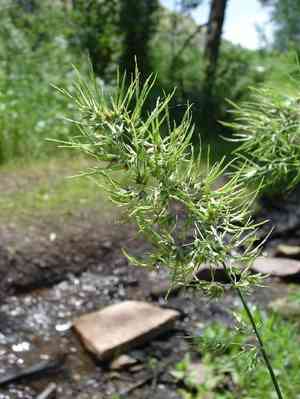
For Poa bulbosa, a grass recognized for its robust bulb-like formations, trimmingâchiefly removing aged foliageâis crucial for preserving the plant's vitality and visual appeal. The most effective pruning should take place in late winter or early spring, right before fresh growth appears. This period corresponds with the grass's inherent growth pattern, fostering abundant new development. Consistent elimination of withered blades guarantees that sunlight reaches developing shoots, thereby improving Poa bulbosa's general well-being and look.
What Are the Benefits of Pruning Bulbous Bluegrass?
What Are the Benefits of Pruning Bulbous Bluegrass?
Trimming bulbous bluegrass promotes robust development and maintains its form, crucial for optimal health and visual appeal. Regular cutting helps prevent congestion and enhances air circulation, lowering disease risk.
What Is the Best Time for Pruning Bulbous Bluegrass?
What Is the Best Time for Pruning Bulbous Bluegrass?
Pruning bulbous bluegrass in late winter or early spring is optimal as these seasons precede its vigorous growth phase. Trimming at this time helps stimulate new growth just before the active growing season. It enables the plant to direct its energy towards developing new, healthy shoots. During late winter, while the plant is still dormant, pruning assists in removing any dead or damaged blades, enhancing the grass's overall health and look. As bulbous bluegrass emerges from dormancy in early spring, pruning can shape the grass and manage its size, helping to maintain a neat landscape. Furthermore, pruning before bulbous bluegrass produces seed heads or enters its reproductive cycle ensures that the plant's resources are not wasted on unwanted seed production. This timing also minimizes the risk of disease transmission, which can be higher when the plant is actively growing in warmer conditions.
What Tools Do I Need to Prune Bulbous Bluegrass?
Hand Pruners
Perfect for cutting through bulbous bluegrass's slender grass blades when thinning or removing damaged foliage. Opt for bypass pruners for a clean cut that will encourage healthy regrowth.
Grass Shears
Excellent for shaping and preserving the aesthetic of bulbous bluegrass clumps. Their long blades facilitate consistent trimming at the same height.
String Trimmer
Useful for quickly trimming larger areas of bulbous bluegrass if precision is not a primary concern. Use with care to avoid harming the plants.
Lawn Mower
Suitable for large-scale trimming of bulbous bluegrass when it is maintained as part of a lawn or meadow. Ensure the blade is sharp to prevent tearing, which could lead to disease.
How to Prune Bulbous Bluegrass
Sterilize
Sanitize pruning tools before beginning to prevent the spread of disease to bulbous bluegrass.
Inspect
Examine bulbous bluegrass thoroughly to identify diseased and withered leaves that require removal.
Cut Diseased
Snip off diseased leaves at their base where they connect to the stem or other healthy part, avoiding harm to bulbous bluegrass's healthy tissues.
Cut Withered
Remove withered leaves by cutting them at the base or by gently pulling if they detach easily, without disturbing bulbous bluegrass's healthy growth.
Dispose
Properly discard the removed diseased and withered leaves to prevent reinfection or the spread of pests in bulbous bluegrass.
Common Pruning Mistakes with Bulbous Bluegrass
Overpruning
Removing too much foliage from bulbous bluegrass can weaken the plant, as it relies on its leaves for photosynthesis and energy storage.
Cutting without sharpened tools
Using dull tools can damage bulbous bluegrass's stems, leading to an increased risk of disease and pests.
Pruning during active growth
Cutting back bulbous bluegrass when it's actively growing can stress the plant and result in poor performance.
Neglecting dead or diseased material
Failing to remove dead or diseased foliage can hinder bulbous bluegrass's growth and spread pathogens.
Ignoring plant structure
Not considering the natural form of bulbous bluegrass can lead to an undesirable shape and impair its growth.
Common Pruning Tips for Bulbous Bluegrass
Sterilize tools
Clean pruning shears or scissors with alcohol to prevent spreading diseases to bulbous bluegrass.
Prune to base
When removing dead or unwanted foliage, cut close to bulbous bluegrass's base to encourage healthier shoots.
Cut above bud node
Make cuts above a bud node to promote new growth in the desired direction for bulbous bluegrass.
Thin crowded areas
Thin out crowded sections to improve air circulation and light penetration for bulbous bluegrass, which can reduce disease pressure.
Maintain natural shape
Follow the natural growth habit of bulbous bluegrass when pruning to maintain its desired appearance and health.



