How to Transplant Arrowweed?
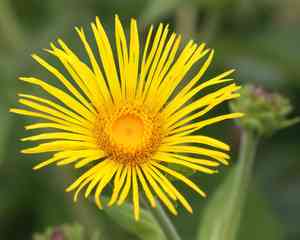
The most favorable periods for relocating arrowweed are from late spring to early summer, and from mid-autumn until its conclusion—these are the times it roots most effectively. Place arrowweed in a location receiving ample sunlight and featuring soil that drains efficiently for optimal growth. Exercising care during the transfer procedure is advantageous.
Essential Preparations Before Relocating Arrowweed?
When is the Best Time to Move Arrowweed?
The ideal period for moving arrowweed is typically during the mild conditions of late spring or the crisp air of mid-autumn. Transplanting arrowweed at these times ensures the ground is sufficiently warm for root development, yet cool enough to prevent stress from summer heat or winter cold. Selecting these windows gives arrowweed the best chance to settle gently into its new spot, promoting strong growth and resilience for future seasons.
What is the Recommended Spacing Between Arrowweed Plants?
When getting ready to move your arrowweed, aim to provide each plant ample room to thrive. Position them approximately 18-24 inches (45-60 cm) apart. This distance will allow their roots to spread without competition, ensuring they develop healthily and robustly!
What is the Optimal Soil Blend for Arrowweed Relocation?
Before moving arrowweed, blend garden soil with organic compost to enrich it. Arrowweed flourishes in soil that drains well. A balanced, slow-release fertilizer can provide your arrowweed an additional nutrient boost as they settle into their new home.
Where Should You Place Your Arrowweed?
Locate a sunny spot for your arrowweed as they love soaking up sunlight! A position that receives full sun, ideally over 6 hours daily, will help your arrowweed grow lush and vibrant. Sunlight is as crucial as water for your green companion!
What Tools Are Needed Before Moving Arrowweed?
Shovel or Spade
To dig around and beneath the plant for removal without harm.
Watering Can or Hose
For pre-watering the plant and the new site to facilitate the move.
Gardening Gloves
To safeguard your hands while handling soil and plants.
Wheelbarrow or Tarp
For moving the arrowweed without damaging its root ball.
Pruning Shears
To trim any dead or excess parts prior to transplanting.
Dibber or Hand Trowel
To create holes for young plants if moving smaller specimens.
How Do You Extract Arrowweed from the Ground?
How Do You Extract Arrowweed from the Ground?
From Ground: First, hydrate the arrowweed plant to moisten the soil. Then, dig a wide circle around the plant using a shovel or spade, ensuring the plant's root ball remains intact. Carefully work the tool under the root ball to lift the arrowweed from its spot.From Pot: Tilt the container sideways and gently tap the sides and bottom to loosen the soil. Pull on the stem's base or invert the pot to slide the arrowweed out with the soil and roots undisturbed.From Seedling Tray: Water the seedlings to simplify removal. Use a dibber or hand trowel to lift the arrowweed from the tray, making sure to include the roots and attached soil.
Step-by-Step Guide for Moving Arrowweed
Preparation
Water the arrowweed thoroughly the day before moving to ensure the soil and roots are well-hydrated.
Removal
Use the shovel or spade to gently extract the arrowweed from its current location. Be careful to preserve the root ball to minimize plant stress.
Transportation
Place the arrowweed onto a wheelbarrow or tarp, taking special care to support the root ball and prevent it from breaking apart.
Hole Preparation
Dig a hole in the new spot that is twice as wide and as deep as the root ball. Loosen the soil at the bottom of the hole to ensure good root penetration.
Placement
Position the arrowweed into the hole, ensuring it is at the same depth it was growing previously. Adjust the soil beneath the root ball if needed.
Filling
Backfill around the root ball with the soil removed from the hole, gently compacting it to eliminate air pockets.
Initial Watering
Water the arrowweed generously immediately after moving to settle the soil and provide hydration for the roots.
Mulching
Apply a layer of mulch around the base of the arrowweed, avoiding direct contact with the stem, to help maintain soil moisture and temperature.
How Do You Care For Arrowweed After Relocation?
Initial Care
Check the soil's moisture level daily, and water as needed to keep the soil moist but not waterlogged. Ensure the arrowweed does not dry out.
Pruning
During the first season, trim any dead or damaged growth to encourage new, healthy development and help the arrowweed recover from the shock of being moved.
Monitoring
Observe the leaves for signs of stress, such as wilting or discoloration. Adjust care accordingly.
Support
If the arrowweed is tall or top-heavy, consider staking or providing other support to prevent breakage from winds or the plant's own weight.
Addressing Common Issues with Arrowweed Relocation.
What's the best time to move arrowweed?
Move arrowweed in late spring (May-June) or mid-autumn (October-November) for optimal root establishment.
How far apart should I space arrowweed when moving?
Aim for a spacing of 18-24 inches (45-60 cm) between arrowweed plants to ensure ample growing room.
Why are my moved arrowweed's leaves wilting?
Wilting after relocation is common due to root stress. Ensure adequate watering and avoid initial direct hot sunlight.
How should I prepare the soil for moving arrowweed?
Cultivate the soil until loose, incorporate organic matter, and ensure it's moist and well-draining.
Should I prune arrowweed before moving?
Light pruning can help reduce relocation shock, but avoid heavy cutting to preserve energy for root growth.
How much water does arrowweed need after moving?
Keep the soil consistently moist but not waterlogged, especially during the first few weeks post-relocation.
How deep should I plant arrowweed's root ball?
Position the root ball so its top is level with the surrounding soil surface to encourage proper growth.
Can I use fertilizer when planting arrowweed?
A mild, balanced fertilizer can be used after relocation, but wait until new growth appears to avoid burn.
How can I tell if arrowweed is developing root rot?
Discolored, mushy roots and a foul odor indicate root rot, often from overwatering or poor drainage.
What should I do if arrowweed's growth seems stunted after moving?
Ensure ample sunlight, watering, and inspect for pests or diseases. Patience is key; some plants take time to establish.



