How to Prune Arrowweed?
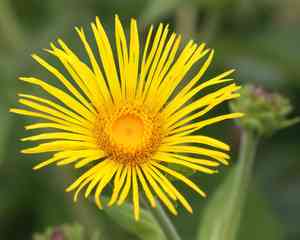
Originating from North American marshlands, arrowweed is a hardy bush recognized for its thick groupings of cane-like stalks. Trim during the inactive period of winter to encourage vigorous development and preserve its form. Sever aged stems at their base, alleviate congestion, and eliminate lifeless or impaired limbs. Trimming not only incites fresh growth but also improves air movement within arrowweed, diminishing the likelihood of ailments. Consistent trimming guarantees a sturdy and attractive shrub.
What Are the Benefits of Pruning Arrowweed?
What Are the Benefits of Pruning Arrowweed?
Trimming arrowweed promotes robust development and helps keep its desired form. This action eliminates dead or overly dense stems, allowing light and air to reach internal sections, thus fostering a healthier plant structure.
What Is the Best Time for Pruning Arrowweed?
What Is the Best Time for Pruning Arrowweed?
Trimming arrowweed during late winter to early spring is advisable because this period aligns with the plant's dormant phase before new growth starts. Pruning at this time encourages vigorous growth in the upcoming season, aids in maintaining the plant's preferred shape, and prevents disease spread as many pathogens are inactive in colder weather. Furthermore, since arrowweed is not actively growing, it is less likely to suffer stress or shock from pruning, and the absence of leaves makes it simpler to assess and shape the plant's structure. This timing also avoids cutting off new buds and ensures the plant's resources are directed towards developing fresh, healthy shoots, enhancing overall plant vitality and appearance.
What Tools Do I Need to Prune Arrowweed?
Hand Pruners (Secateurs)
Perfect for making clean cuts on arrowweed stems and branches up to 1/2 inch (1.3 cm) in diameter. The bypass style, with two curved blades that glide past each other, is particularly suitable as it provides a clean cut that encourages healthy regrowth.
Loppers
Featuring long handles, loppers offer extended reach and leverage for cutting thicker arrowweed branches, ranging from 1/2 inch (1.3 cm) to 2 inches (5 cm) in diameter. The bypass type is preferred over anvil loppers for the same reasons as hand prunersâit delivers a cleaner cut.
Hand Saws
Useful for cutting branches exceeding 2 inches (5 cm) in diameter. A curved blade hand saw or folding saw will simplify the task of pruning arrowweed, allowing it to cut through larger branches smoothly and reduce strain on the gardener's hand.
Pruning Shears (Clippers)
For shaping and maintaining the dense foliage of arrowweed, pruning shears are essential. They enable more detailed work and can help create a neat outline for the plant.
Hedge Shears
When arrowweed is utilized for hedging, hedge shears can quickly and efficiently trim and shape large areas of growth. They are less ideal for the plant's health when it comes to precise pruning but work well for overall shaping.
How to Prune Arrowweed
Prepare Tools
Sanitize pruning shears or scissors before starting to ensure arrowweed's pruning wounds are not exposed to disease-causing agents.
Remove Withered Leaves
Carefully trim off any dried leaves from arrowweed at their base where they meet the stem, avoiding harm to healthy foliage and stems.
Cut Dead Branches
Identify and remove dead branches by cutting them at their origin point or back to the main stem of arrowweed, ensuring cuts are clean and straight to promote healing.
Prune Diseased Branches
Prune any diseased branches from arrowweed well below the affected area to prevent disease spread, disposing of these materials far from healthy plants.
Cleanup
Clear away all removed material from around arrowweed and dispose of it properly to minimize disease risk. Sanitize tools after completing the pruning process.
Common Pruning Mistakes with Arrowweed
Over-Pruning
Removing too much foliage from arrowweed at once can stress the plant, diminish its vigor, and potentially lead to disease. Always prune cautiously, ensuring not to remove more than one-third of the plant's total volume during a single pruning session.
Improper Cut Location
Cutting too far from a bud or node can result in unsightly, dead stubs that may attract pests and diseases. Conversely, cutting too close can harm the bud or node's growth potential. Ensure cuts are made just above a node or swelling where a leaf bud is present.
Using Dull Tools
Dull pruning tools can cause jagged cuts, crushing and damaging the stems of arrowweed. This makes the plant more vulnerable to disease. Always use sharp, clean pruning shears for precise cuts.
Neglecting Sanitation
Not cleaning tools before and after pruning can spread pathogens from one plant to another. It's vital to disinfect tools, ideally with a solution of one-part bleach to nine parts water, or use rubbing alcohol.
Pruning Without A Plan
Random or haphazard pruning without understanding arrowweed's growth pattern can result in a misshapen plant and suboptimal growth. Observe the plant's natural form and plan pruning cuts accordingly.
Common Pruning Tips for Arrowweed
Identify Growth Nodes
Locate the growth nodes or buds on arrowweed as these are the points from which new growth will emerge. Pruning just above these nodes will encourage new, healthy growth in the desired direction.
Encourage Bushiness
To promote a bushier appearance and more dense growth in arrowweed, pinch or cut back the tips of the stems, especially on young plants. This will stimulate the growth of lateral branches
Thin Out Crowded Areas
To maintain good airflow and reduce the risk of disease, thin out crowded branches by pruning them at their point of origin. This helps light to penetrate the plant, promoting overall plant health.
Selective Pruning
Focus on removing only dead, diseased, or damaged stems, as well as any that are crossing or rubbing together. This targeted approach helps to maintain the natural form of arrowweed while encouraging healthy growth.
Maintain Plant Health
Regularly inspect arrowweed and remove any anomalies. Pruning not only shapes the plant but also helps in identifying and mitigating potential health issues before they spread.



