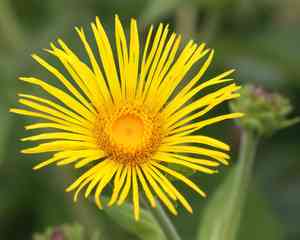
Arrowweed (Pluchea sericea)
Also known as: Arrowweed
Arrowweed (Pluchea sericea) is a flowering shrub native to the arid regions of the United States and Mexico. Known for its straight, long stems, it can create dense thickets and has traditionally been used for making arrows and baskets.
In This Article
Attributes of Arrowweed
Lifespan
Perennial
Plant Type
Shrub
Plant Height
1 m to 2 m
Spread
1 m to 2 m
Leaf Color
Silvery-gray
Flower Size
6 mm
Flower Color
Pink Purple
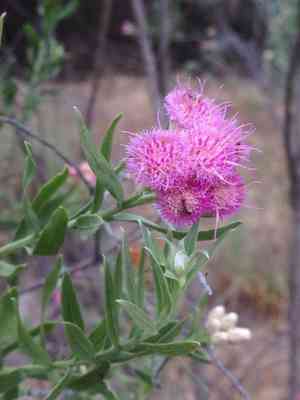
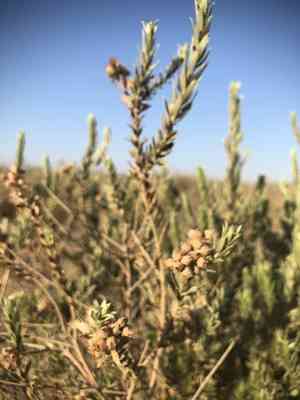
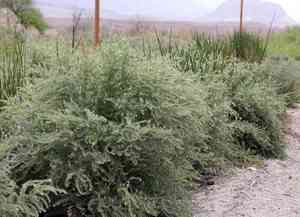
Images of Arrowweed
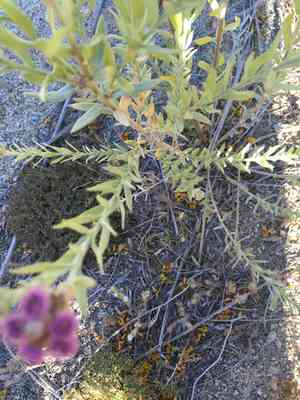
Quickly Identify Arrowweed
1
Arrowweed can be identified by its silvery-gray leaves, which are covered with soft, silky hairs. The plant has small, clustered pink or purple flowers and can grow up to 3 meters tall.
Scientific Classification of Arrowweed
Phylum
Vascular plants
Class
Dicotyledons
Order
Asterales
Family
Daisy
Genus
Camphorweeds
Species
Arrowweed
Planting and Growing of Arrowweed
Care Difficulty
Easy
Watering Schedule
Every 2 days
Sunlight Requirements
Full sun
Sunshine Duration
4-6 hours
Ideal Temperature
68-77℉
Soil Type
Potting Mix, Peat Mix
Soil pH
6.5-7.5
Fertilizer Type
Balanced
Pruning Season
Spring, Summer
Pruning Area
Branches, Leaves
Pruning Frequency
2 times a year
Repotting Season
Spring
Pot Type
Plastic, Ceramic
 How to Water Arrowweed?
Pluchea sericea, commonly known as arrowweed, should be watered until the soil is thoroughly moistened but not waterlogged. Ideally, you should provide about 250 ml of water per session, ensuring the water reaches the root zone without excess runoff or pooling.
What are the symptoms of an underwatered Arrowweed?
›
What should I do if my Arrowweed is not getting enough water?
›
What are the symptoms of an overwatered Arrowweed?
›
How to save an overwatered Arrowweed?
›
 What Are the Sunlight Requirements for Arrowweed?
Pluchea sericea ideally requires full to partial sun exposure. Providing the correct light range helps the plant to maintain lush greenery, stable growth, and prolific flowering. These conditions ensure the plant's health and aesthetic appeal.
More About Sunlight Requirements Techniques→
What is the ideal environment for Pluchea sericea?
›
How can I achieve the ideal sunlight condition for Pluchea sericea?
›
What are the benefits of optimal lighting for Pluchea sericea?
›
 What Is the Ideal Temperature Range for Arrowweed?
For optimal growth, Pluchea sericea thrives in temperatures ranging from 68°F to 77°F. Maintaining this range supports its metabolism and photosynthesis processes, leading to vibrant foliage and healthy development.
 What Soil is Best for Arrowweed?
Pluchea sericea thrives in well-drained soils, which prevent root rot and promote healthy growth. This quality is particularly beneficial as it allows the plant to absorb nutrients more efficiently. While not overly demanding, Pluchea sericea benefits from nutrient-rich soils that support robust stem and foliage development, leading to a healthier overall appearance. Although drought-tolerant, this plant appreciates soils that can retain some moisture, supporting it during dry spells and promoting sustained growth.
 How to Fertilize Arrowweed?
Pluchea sericea does well with moderate fertilization. When using liquid fertilizer, aim for a dilute solution, preferably half-strength, to prevent overwhelming the plant. For slow-release fertilizers, use approximately one tablespoon per plant to slowly supply nutrients over time.
 How to Prune Arrowweed?
Use clean, sharp pruning shears to make precise cuts. This ensures clean cuts, which will heal properly and quickly, minimizing stress on the plant. While Pluchea sericea can be pruned throughout the year, be mindful of its blooming cycle. Avoid pruning it heavily right before flowers are due to open to maximize its flowering potential. When making cuts, keep them at a slight angle to facilitate water runoff, reducing the risk of rot at the cut site. This also helps the plant heal more efficiently.
More About Pruning Techniques→
 How to Propagate Arrowweed plant?
1
Start by collecting seeds from mature plants. Clean the seeds thoroughly to remove any pulp or debris. If seeds have hard coats, consider scarification to improve germination rates. This step aids in breaking dormancy and ensures better seedling vigor.
2
Select healthy, disease-free stems for cuttings. Using pruning shears, cut a six-inch stem below a node. Remove leaves from the lower half. This technique reduces water loss and directs the plant's energy toward root development.
3
Use a well-draining potting mix to prepare the planting medium. A mix of peat, perlite, and sand often works well. This medium promotes good air circulation and drainage, crucial for developing strong roots.
 How to Repot Arrowweed plant?
1
Pluchea sericea should be repotted when you notice roots outgrowing the drainage holes or when the plant shows stunted growth. These are clear signals that the plant requires a new environment with fresh nutrients.
2
Opt for a pot 1-2 inches larger in diameter than the current one with enough drainage holes. This ensures the plant has ample room for root expansion and prevents waterlogging which can harm the roots.
3
Choose a well-draining sandy soil, replicating its natural habitat. This soil type prevents root rot by ensuring excess moisture can escape, while retaining enough nutrients for the plant's growth.
Learn More About Arrowweed Diseases
Anthracnose
Bacterial Leaf Spot
Bacterial Soft Rot
Bacterial Wilt
Black Spot
Chemical Injury
Crown Gall
Cyst Nematode
Damping-off
Downy Mildew
Drought Stress
Fusarium Wilt
Gray Mold
Leaf Spot
Mosaic
Nutrient Deficiency
Nutrient Toxicity
Powdery Mildew
Root Rot
Root-knot Nematode
Rusts
Sooty Mold
Spider Mites
Temperature Stress
Thrips Damage
White Mold



