The Arrowweed Plant Advantage: Maximizing Home and Office Appeal and Wellness
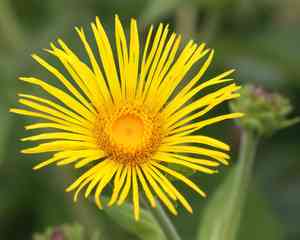
1
Arrowweed has historically been utilized for diverse applications, such as its capacity to restore natural environments.
2
This plant acts as an inherent defense against soil degradation, rendering it beneficial for land stewardship.
3
It offers vital shelter and sustenance for indigenous fauna.
How Does Arrowweed Contribute to Ecosystem Stability?
Erosion Control
Arrowweed plays a key role in preventing soil erosion. Its strong root system anchors the soil, decreasing land degradation and fostering healthier ecosystems. Its capacity to grow in diverse soil types makes it suitable for restoration efforts and land management, where erosion prevention is vital.
Natural Habitat
As an indigenous plant, Arrowweed is crucial for maintaining its native habitat's integrity. It offers refuge and sustenance for local wildlife, boosting biodiversity. Birds, insects, and small mammals frequently depend on Arrowweed for food and protection, strengthening the ecosystem's overall health.
What Are the Practical Applications of Arrowweed?
Material Uses
Arrowweed has historically been employed for various materials. Indigenous communities leverage its flexibility and durability for crafting items like baskets, mats, and shelters. This practice highlights the plant's adaptability and the cleverness of traditional knowledge in sustainable material utilization.
Traditional Remedies
Beyond its material applications, Arrowweed has held a place in traditional medicines. The plant is used in aromatic practices and other cultural applications, reflecting its deep-seated importance in various traditions and emphasizing the value of preserving such knowledge.
How Does Arrowweed Support Environmental Preservation?
Restoration Projects
Arrowweed is frequently utilized in ecological restoration initiatives. Its ability to flourish in disturbed and degraded environments makes it an ideal choice for these projects. By reintroducing Arrowweed into such areas, conservationists can aid the recovery of natural habitats and promote ecological resilience.
Water Management
Another vital aspect of Arrowweed is its contribution to water management. The plant helps reduce water loss in arid and semi-arid regions by minimizing soil evaporation. This characteristic is especially valuable in areas experiencing drought or where water conservation efforts are paramount.
What Are the Advantages of Arrowweed in Urban Landscaping?
Sustainable Landscapes
In urban environments, Arrowweed is valued for its low maintenance and sustainability. The plant requires minimal irrigation and can thrive in various urban settings, including road medians, parks, and community gardens. Its use in sustainable landscaping practices helps reduce water consumption and enhances urban green spaces.
Aesthetic Appeal
Beyond its practical benefits, Arrowweed also provides visual appeal. Its distinct structure and foliage can improve the aesthetic quality of urban landscapes. Planners and gardeners often incorporate Arrowweed to create visually pleasing, eco-friendly areas that contribute to the overall quality of life in urban settings.
How Can Arrowweed Be Incorporated Into Daily Life?
Gardening
Home gardeners can integrate Arrowweed into their gardens for its numerous advantages. The plant is simple to cultivate and maintain, making it accessible for gardeners of all skill levels. Its role in attracting beneficial wildlife and promoting soil health makes it a valuable addition to any home garden.
Educational Uses
Arrowweed can also serve educational purposes. Schools and educational programs can utilize the plant to teach students about ecosystems, plant biology, and sustainable practices. Engaging with Arrowweed directly can help foster a deeper understanding and appreciation of the natural world among young learners.



