How to Transplant Stinking camphorweed?
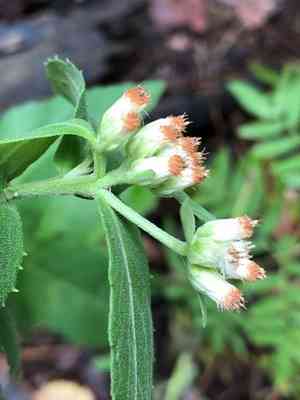
Stinking camphorweed flourishes when relocated in the colder period from fall to early winter, facilitating robust root development. Select a location receiving full sun or partial shade with soil that drains effectively for optimal growth. Maintain consistent hydration, avoiding excessive wetness.
Necessary Preparations Before Relocating Stinking Camphorweed?
Optimal Period for Moving Stinking Camphorweed?
Stinking camphorweed flourishes when moved during mid to late autumn or early winter. This timing allows the plant to establish its root system in cool, damp soil prior to the vigorous growth of spring. Relocating stinking camphorweed in these seasons strengthens its stability and resilience, ensuring robust development and blooming for the upcoming year.
Required Spacing Between Stinking Camphorweed Plants?
When relocating stinking camphorweed, aim to position each plant 24-36 inches (60-90 cm) apart. This spacing provides ample room for growth and ensures good air circulation, minimizing disease risk.
Ideal Soil Blend for Stinking Camphorweed Relocation?
Prepare the soil for stinking camphorweed by ensuring proper drainage. A sandy loam mixture is perfect. Enrich the soil with a general-purpose base fertilizer to support development. Target a balanced fertilizer such as 10-10-10 (N-P-K).
Where to Replant Your Stinking Camphorweed?
Select a sunny spot for stinking camphorweed that receives at least 6-8 hours of direct sunlight daily. This ensures the plant thrives and blooms profusely, especially crucial for new gardeners seeking vibrant outcomes.
Equipment Needed Before Relocating Stinking Camphorweed?
Gardening Gloves
To safeguard your hands while handling soil and the plant.
Shovel or Spade
To excavate around and carefully lift the stinking camphorweed plant.
Trowel
For smaller digging tasks and to loosen the soil surrounding the plant.
Wheelbarrow or Bucket
To move the plant from one spot to another without causing harm.
Pruning Shears
To trim any damaged roots or foliage before replanting.
Watering Can or Garden Hose
To hydrate the plant before removal and after relocation.
How to Extract Stinking Camphorweed from the Ground?
How to Extract Stinking Camphorweed from the Ground?
From Ground: First, water the stinking camphorweed plant to moisten the soil. Next, dig a wide trench around the plant using a shovel or spade, ensuring the plant's root ball remains intact. Carefully work the spade beneath the root ball to lift the plant from its original position.From Pot: Water the stinking camphorweed plant thoroughly to ensure the soil is damp. Gently tilt the pot to one side and tap the edges to loosen the soil. Carefully slide the plant out of the pot, supporting the root ball with your hands.From Seedling Tray: Water the seedlings to keep the soil moist. Use a trowel or your fingers to gently lift the seedlings from the tray, being careful not to harm the delicate roots.
Step-by-Step Guide for Relocating Stinking Camphorweed
Choose the Site
Select a location that fulfills the specific light and spatial needs for the stinking camphorweed.
Prepare the Area
Dig a hole that is twice as wide and the same depth as the root ball of the stinking camphorweed. Loosen the soil at the bottom and sides of the hole to aid root establishment.
Position the Plant
Place the stinking camphorweed in the hole, ensuring the top of the root ball is level with the surrounding soil. Gently backfill the hole with soil, firming it around the roots to remove air pockets.
Water the Plant
Water the stinking camphorweed thoroughly after planting to settle the soil and provide moisture to the roots.
Apply Mulch
Spread a layer of mulch around the base of the stinking camphorweed to help retain moisture and suppress weeds.
Post-Relocation Care for Stinking Camphorweed?
Watering
Keep the soil around the stinking camphorweed consistently moist, but not waterlogged, for the initial weeks after relocation to help establish strong roots.
Monitoring
Regularly inspect the plant for signs of stress such as wilting or yellowing leaves, and adjust care as necessary.
Fertilizing
Avoid fertilizing immediately after relocation. Wait a few weeks until the stinking camphorweed shows signs of new growth before applying a balanced fertilizer.
Protection
If needed, provide temporary shade for the stinking camphorweed during the hottest part of the day to lessen transplant shock.
Pruning
Remove any damaged or yellowing leaves to encourage healthy growth.
Resolving Common Issues with Stinking Camphorweed Relocation.
When is the best time to move stinking camphorweed?
Relocate stinking camphorweed in mid-fall, late-fall, or early winter for optimal outcomes.
How much space should I leave between stinking camphorweed plants?
Allow 24-36 inches (60-91 cm) between stinking camphorweed plants to ensure proper development.
How deep should I plant stinking camphorweed roots?
Plant stinking camphorweed roots at the same depth they were in their previous location.
What type of soil is best for stinking camphorweed?
Well-draining soil with organic matter is ideal for relocating stinking camphorweed.
How do I protect stinking camphorweed from transplant shock?
Water thoroughly after relocation and keep the soil consistently moist to prevent transplant shock.
Should I fertilize stinking camphorweed during relocation?
Avoid fertilizing during relocation. Let stinking camphorweed establish roots first; fertilize in spring.
How much water does stinking camphorweed need post-relocation?
Water stinking camphorweed deeply once a week, adjusting based on weather conditions.
Can I move stinking camphorweed during peak summer?
Avoid relocating stinking camphorweed during peak summer to reduce stress and increase survival chances.
Do I need to prune stinking camphorweed before relocating?
Prune any dead or damaged stems before relocating to promote healthy growth.
What if stinking camphorweed shows wilting after relocating?
If stinking camphorweed shows wilting, provide shade and water regularly until it recovers.



