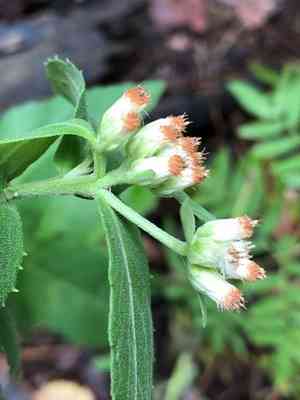
Stinking camphorweed (Pluchea foetida)
Also known as: Stinky Pluchea, Stinkweed
Stinking camphorweed is a resilient perennial herb known for its distinctive, strong odor when crushed. It commonly flourishes in sunny, open spaces like fields, roadsides, and disturbed lands with good drainage. The plant features lance-shaped leaves, occasionally showing a purplish tint, and small, clustered yellow flowers, enabling it to be easily identified in its preferred environment.
In This Article
Attributes of Stinking camphorweed
Lifespan
Perennial
Plant Type
Shrub
Plant Height
1-1.5 meters
Spread
1-1.5 meters
Leaf Color
Green
Flower Size
Less than 1 cm
Flower Color
Pinkish
Images of Stinking camphorweed
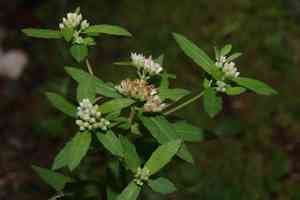
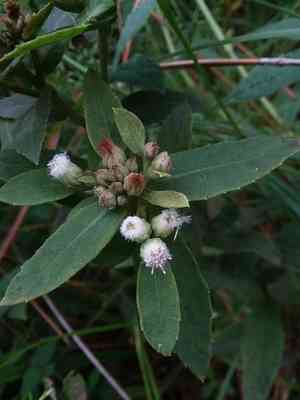
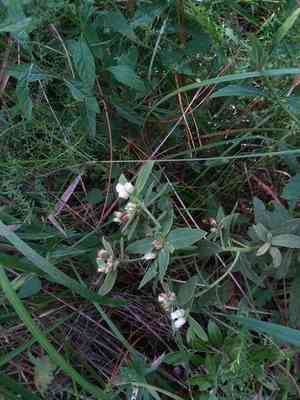
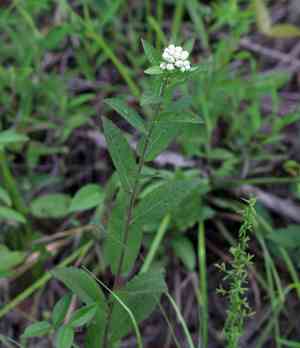
Quickly Identify Stinking camphorweed
1
To identify Pluchea foetida, look for a shrub that emits a strong, unpleasant odor. The leaves are generally lance-shaped and covered in fine hair. The plant produces small, pinkish flowers clustered tightly together.
Scientific Classification of Stinking camphorweed
Phylum
Vascular plants
Class
Dicotyledons
Order
Asterales
Family
Daisy
Genus
Camphorweeds
Species
Stinking camphorweed
Planting and Growing of Stinking camphorweed
Care Difficulty
Easy
Watering Schedule
Every 2 days
Sunlight Requirements
Partial sun
Sunshine Duration
6-10 hours
Ideal Temperature
70-85℉
Soil Type
Potting Mix, Peat Mix
Soil pH
6-7.5
Fertilizer Type
Balanced
Pruning Season
Spring, Summer
Pruning Area
Branches, Leaves
Pruning Frequency
2 times a year
Repotting Season
Spring
Pot Type
Ceramic, Plastic
 How to Water Stinking camphorweed?
For Pluchea foetida, you should aim to water the plant until the soil feels thoroughly moist but not waterlogged. This typically means applying around 500 milliliters of water at each session, ensuring the water penetrates deeply into the soil to support root development without leaving any standing water.
What are the symptoms of an underwatered Stinking camphorweed?
›
What should I do if my Stinking camphorweed is not getting enough water?
›
What are the symptoms of an overwatered Stinking camphorweed?
›
How to save an overwatered Stinking camphorweed?
›
 What Are the Sunlight Requirements for Stinking camphorweed?
Partial to full sun creates an optimal environment where Pluchea foetida can perform photosynthesis efficiently, promoting healthy growth and flowering while minimizing stress.
How much sunlight does Pluchea foetida need?
›
What are the benefits of ideal sunlight for Pluchea foetida?
›
How can I create optimal lighting conditions?
›
 What Is the Ideal Temperature Range for Stinking camphorweed?
The ideal temperature range for growing Pluchea foetida is between 70°F and 85°F. This range provides optimal conditions for growth and development, ensuring the plant receives enough warmth to thrive without experiencing stress from excessive heat.
 What Soil is Best for Stinking camphorweed?
Pluchea foetida thrives in well-drained soils that prevent waterlogging, which can lead to root rot. Ensuring proper drainage helps the plant's roots access air, promoting healthier growth and flowering. While Pluchea foetida can tolerate some dryness, it preferentially grows in soils with moderate moisture levels. Keeping the soil consistently moist but not soggy supports vigorous growth and maintains its aromatic qualities. A fertile soil rich in organic matter enhances Pluchea foetida's growth and vigor. Incorporating compost or well-rotted manure can provide essential nutrients that promote robust plant health.
 How to Fertilize Stinking camphorweed?
For Pluchea foetida, when using liquid fertilizers, it's ideal to dilute them to half strength to avoid excess nutrients that could harm the plant. A monthly application rate of about one tablespoon per gallon of water should suffice.
 How to Prune Stinking camphorweed?
Start by inspecting your Pluchea foetida for any dead or damaged branches and remove them first. Use clean and sharp shears to make precise cuts. Focus on branches that cross over or are growing inwards as these can hinder the airflow and encourage disease. Trim back about a third of the older growth to stimulate new shoots. Always cut just above a leaf node to ensure new growth emerges healthily from that point.
More About Pruning Techniques→
 How to Propagate Stinking camphorweed plant?
1
To propagate by seeds, first collect mature seeds from the plant. Choose seeds that appear healthy, discarding any that are damaged or discolored. Seed collection should ideally be done in early summer to ensure high germination rates.
2
For cutting propagation, select healthy stems from the Pluchea foetida plant. Cut sections of about 10–15 cm in length. Remove any leaves from the lower part of the cutting and dip the end in rooting hormone to facilitate root growth.
3
When opting for division, carefully dig up the plant, ensuring minimal disturbance to the roots. Separate the root mass into sections, ensuring each section has sufficient roots and shoots. Plant these divisions in prepared soil.
 How to Repot Stinking camphorweed plant?
1
Signs that Pluchea foetida needs repotting include slowed growth, roots binding, or water not draining properly. These indicators demonstrate that your plant has outgrown its current pot and requires more space to thrive, typically during the more temperate seasons such as Spring and Autumn.
2
Select a pot that is one size larger than the current one, with adequate drainage holes. This promotes healthy root growth and prevents waterlogging, which can lead to root rot. A pot made of breathable material like clay can also help balance moisture levels for your plant.
3
Opt for a well-draining, organic soil mix enriched with compost. This provides essential nutrients and ensures that water can flow freely through the soil, stopping the roots from sitting in excess moisture, which can be detrimental to your plant’s health.



