How to Propagate Stinking camphorweed?
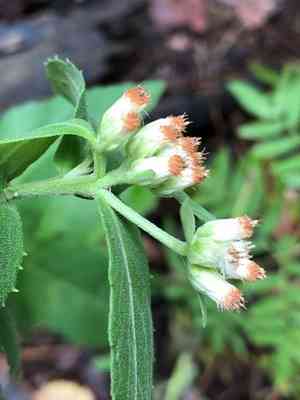
Pluchea foetida, or stinking camphorweed, is a adaptable species recognized for its vigorous development and fragrant leaves. For propagation, sever healthy stems beneath a joint, strip off the bottom leaves, and immerse in rooting compound prior to embedding in adequately draining substrate. Position in filtered light and ensure the soil remains damp. Consistent spraying enhances moisture levels, encouraging root formation.
What Is the Best Time To Propagate Stinking Camphorweed?
Propagation Type
Cutting
Propagation Season
Spring,Summer
What Tools Are Used in Stinking Camphorweed Propagation?
Pruning Shears
Pruning shears are crucial for making clean cuts when taking cuttings from stinking camphorweed. Sharp, sanitized blades help prevent disease transmission and ensure healthy propagation material.
Rooting Hormone
Rooting hormone is essential for enhancing the root development of cuttings from stinking camphorweed. It increases the chances of successful root formation, leading to healthier plants.
Propagation Trays
Propagation trays provide a controlled environment for nurturing cuttings of stinking camphorweed. They maintain moisture levels and encourage uniform growth, which is critical for successful rooting.
Heating Mat
A heating mat helps maintain optimal soil temperatures, encouraging root development for stinking camphorweed cuttings. This tool is particularly beneficial in cooler climates or indoor settings.
Mist Sprayer
A mist sprayer ensures the cuttings of stinking camphorweed stay moist without overwatering. Consistent humidity levels are key to preventing desiccation and promoting root growth.
Sterilized Potting Mix
Using a sterilized potting mix minimizes the risk of pathogens that could harm stinking camphorweed cuttings. It provides a clean, nutrient-rich environment conducive to root formation.
Humidity Dome
A humidity dome creates a microenvironment with high humidity, vital for the initial stages of rooting stinking camphorweed cuttings. This prevents moisture loss and supports steady development.
Sharp Knife or Scalpel
A sharp knife or scalpel is used for taking precise cuttings from stinking camphorweed. A clean, sharp cut reduces plant tissue damage, enhancing the likelihood of successful propagation.
How to Propagate Stinking Camphorweed?
Propagation Type
Moderately Difficult
How to Care for Your Newly Propagated Stinking Camphorweed?
How to Care for Your Newly Propagated Stinking Camphorweed?
Once cuttings have rooted (typically within a few weeks), transfer them to a slightly larger pot if needed and continue regular watering, allowing the soil to dry slightly between waterings. Gradually introduce the new plants to outdoor conditions by placing them outside for a few hours daily over a week. When established, stinking camphorweed prefers full sun to partial shade and moderate watering. Ensure well-draining soil to prevent root rot. Regular pruning may be necessary to maintain shape and encourage bushier growth.
Common Mistakes to Avoid When Propagating Stinking Camphorweed
Overwatering
This can lead to root rot and other fungal diseases, which can severely stunt or kill off stinking camphorweed seedlings.
Inadequate Drainage
Poorly draining soil can cause water to accumulate around the roots, creating a harmful environment for stinking camphorweed propagation.
Incorrect Soil Type
Using soil that doesn't match stinking camphorweed's natural growing conditions can result in poor nutrient uptake and weak growth.
Insufficient Light
Stinking camphorweed requires adequate sunlight; insufficient light can lead to weak, leggy plants with poor overall health.
Inconsistent Watering
Fluctuating between drought and overwatering can stress stinking camphorweed, leading to poor root development and weakened plants.
Tips For Propagating Stinking Camphorweed
Well-draining Soil
Use a sandy or loamy soil mix that facilitates good drainage to prevent root rot and promote healthy root growth for stinking camphorweed.
Moderate Watering
Keep the soil moist but not waterlogged; consistent, moderate watering supports steady growth and reduces stress on stinking camphorweed.
Sunlight Exposure
Ensure stinking camphorweed gets plenty of direct sunlight, ideally 6-8 hours a day, to promote healthy, robust growth.
Use Root Hormones
Applying a rooting hormone can enhance the root development process, increasing the chances of successful propagation for stinking camphorweed.
Proper Spacing
Give each plant enough space to grow by ensuring it is not overcrowded; this allows sufficient air circulation and reduces competition for nutrients.



