How to Prune Stinking camphorweed?
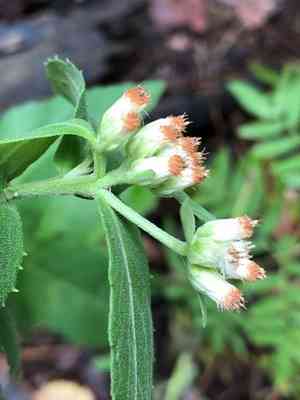
Stinking camphorweed, known for its unique scent, thrives with early spring trimming to foster robust development and control its form. Eliminate deceased or compromised stalks and reduce dense sections to improve air movement. Concentrate on preserving a symmetrical framework, making cuts just above a leaf junction. Trimming in early spring guarantees the best recuperation and expansion throughout the active period. Appropriate pruning encourages strong new shoots and enhances the general look of stinking camphorweed.
What Are the Benefits of Pruning Stinking Camphorweed?
What Are the Benefits of Pruning Stinking Camphorweed?
Trimming stinking camphorweed encourages vigorous development and helps maintain its form. It fosters robust growth, prevents excessive expansion, and improves its overall look, making the garden more visually appealing.
What Is the Best Time for Pruning Stinking Camphorweed?
What Is the Best Time for Pruning Stinking Camphorweed?
Early spring is considered optimal for pruning stinking camphorweed as it precedes the plant's active growth period. Pruning at this time stimulates strong new growth as the plant enters its growing season. Additionally, early spring pruning lowers the risk of disease and pest infestations, which are more common in warmer months. Trimming stinking camphorweed before it flowers ensures the plant's energy is directed towards producing healthy new foliage and blooms, resulting in a more robust and attractive plant.
What Tools Do I Need to Prune Stinking Camphorweed?
Hand Pruners
Perfect for making precise cuts on small branches and stems, which aids in maintaining plant health and stimulating new growth. Use bypass pruners for clean cuts on living material.
Loppers
Useful for cutting thicker stems and branches. Loppers offer greater leverage than hand pruners, simplifying the task of handling woody parts of stinking camphorweed.
Pruning Saw
Ideal for removing larger, woody branches too thick for hand pruners or loppers. This tool ensures clean, controlled cuts without harming the plant.
Gloves
Crucial for protecting your hands from potential irritation or cuts when working with the plant. Select durable, well-fitting gardening gloves.
How to Prune Stinking Camphorweed
Assessment
Carefully inspect stinking camphorweed to identify any diseased leaves, withered leaves, and dead or diseased branches that require trimming. Ensure your pruning tools are clean and sanitized.
Diseased leaves
Start by removing all diseased leaves. Make cuts just above the node where the leaf connects to the main stem to prevent disease spread and encourage healthy growth.
Withered leaves
Trim off all withered or brown leaves by cutting them at their base. Ensure cuts are clean to minimize plant stress.
Dead branches
Remove all dead branches by cutting them back to healthy wood. Look for signs of life, such as a green cambium layer under the bark, and ensure no dead tissues remain.
Diseased branches
Prune away any diseased branches by cutting a few inches back into healthy tissue to ensure complete removal of affected parts. Properly dispose of all pruned material to prevent contamination.
Common Pruning Mistakes with Stinking Camphorweed
Improper technique
Using dull or unsuitable tools can result in jagged cuts that may invite disease. Always use sharp, clean pruning shears.
Over-pruning
Removing too much foliage at once can stress the plant and impede its growth. Stinking camphorweed should not be pruned by more than 25-30% at a time.
Poor cut placement
Making cuts too close to the bud or branch can damage growth points, while cuts too far away can leave unsightly stubs. Aim to cut just above a node or lateral bud.
Ignoring plant structure
Randomly cutting branches without considering the natural structure can negatively impact the plant's overall shape and health. Always consider the plant's natural form when pruning.
Common Pruning Tips for Stinking Camphorweed
Use quality tools
Always use high-quality, sharp pruning shears to ensure clean cuts. Disinfect tools before and after use to prevent disease transmission.
Remove diseased wood first
Begin by removing any dead, diseased, or damaged wood. This helps maintain the plant's health and encourages new growth.
Thin out crowded branches
Thinning out congested areas allows light and air to penetrate the canopy, promoting healthier growth and reducing the risk of fungal diseases.
Follow the natural shape
Prune to maintain the plant's natural shape. Avoid cutting large branches unnecessarily and aim for a balanced form that allows for sustainable growth.
Make clean cuts
Ensure that each cut is clean and smooth. Prune just above a leaf node or bud to encourage new, healthy growth in the desired direction.



