How to Transplant Rosy camphorweed?
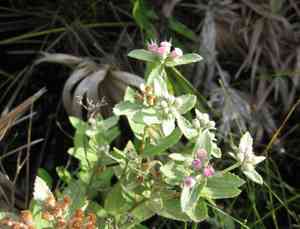
Rosy camphorweed flourishes most effectively when transplanted between early and late spring, leveraging the mild climatic conditions. Select a location that receives ample sunlight and drains efficiently for peak development. Verify that the substrate is fertile and uniformly damp to facilitate the plant's seamless acclimation.
What Preparations are Needed Before Transplanting Rosy Camphorweed?
What is the Ideal Time for Transplanting Rosy Camphorweed?
The best period for relocating rosy camphorweed is from the beginning to the end of spring. This timeframe allows rosy camphorweed to benefit from mild temperatures and increased precipitation, fostering strong root development before summer's heat. Moving it during this season maximizes its growth potential and boosts its resilience.
How Much Space Should You Leave Between Rosy Camphorweed Plants?
When moving rosy camphorweed, ensure a spacing of 12-24 inches (30-60 cm) between plants. This provides sufficient room for growth and good air circulation, which helps prevent diseases and promotes healthier plants.
What is the Best Soil Mix for Rosy Camphorweed Transplanting?
Prepare a soil mixture that drains effectively for rosy camphorweed. Sandy or loamy soils are most suitable. Before transplanting, incorporate some compost or a balanced base fertilizer to enrich the soil with nutrients. This ensures the roots get a strong start.
Where Should You Relocate Your Rosy Camphorweed?
Rosy camphorweed thrives in full sun, so select a location that receives at least 6-8 hours of direct sunlight daily. If full sun is unavailable, partial shade will also work, though performance might not be optimal. This will help the plant produce beautiful blooms.
What Equipments Should You Prepare Before Transplantation Rosy Camphorweed?
Gardening Gloves
To shield your hands while handling soil and plants.
Shovel or Spade
For digging around the plant to extract it from its original spot.
Trowel
To assist in digging smaller holes or trenches.
Watering Can or Hose
To hydrate the plant before and after its relocation.
Pruning Shears
For trimming any damaged roots or foliage.
Mulch
To help retain soil moisture after the transplant.
How Do You Remove Rosy Camphorweed from the Soil?
How Do You Remove Rosy Camphorweed from the Soil?
From Ground: First, water the rosy camphorweed plant to moisten the soil. Then, dig a wide trench around the plant using a shovel or spade, ensuring the plant's root ball remains intact. Carefully work the spade under the root ball to lift the plant from its original location.From Pot: Gently water the rosy camphorweed plant to soften the soil. Turn the pot sideways and gently tap it to loosen the soil. Carefully slide the plant out, ensuring the root ball stays intact. If the plant is root-bound, carefully loosen the roots before transplanting.From Seedling Tray: Water the seedlings so the soil is moist. Use a trowel to carefully scoop under each seedling, keeping the soil and roots intact. Handle the seedlings by their leaves to avoid damaging the delicate stem.
Step-by-Step Guide for Transplanting Rosy Camphorweed
Prep the Site
Choose a location with adequate sunlight and room for your rosy camphorweed plant to reach its full size. Clear any weeds or debris from the area.
Dig the Hole
Excavate a hole that is twice as wide and the same depth as the root ball of your rosy camphorweed plant to allow roots ample space to spread.
Prepare the Plant
If the root ball is dry, water it thoroughly. Trim any damaged or excessively long roots with pruning shears.
Place the Plant
Carefully position the rosy camphorweed plant into the hole, ensuring it sits at the same depth it was previously growing. Fill the hole with native soil, gently firming it around the plant.
Water the Plant
Water the newly transplanted rosy camphorweed plant immediately to help settle the soil and reduce transplant shock.
Apply Mulch
Apply a 2-3 inch layer of mulch around the base of the plant, keeping it a few inches away from the stem to prevent rot.
How Do You Care For Rosy Camphorweed After Transplanting?
Watering
Keep the soil around the rosy camphorweed consistently moist, but not waterlogged, for the initial weeks after transplanting to aid in establishing strong roots.
Monitoring
Watch for any indications of transplant shock, such as wilting or yellowing leaves, and take appropriate measures to resolve issues if they arise.
Protection
Shield the transplanted rosy camphorweed from harsh weather conditions. Provide shade if necessary or cover the plant during heavy rainfall.
Troubleshooting Common Issues with Rosy Camphorweed Transplantation.
When is the best time to transplant rosy camphorweed?
Relocate rosy camphorweed from early spring to late spring for optimal growth and establishment.
How much space should I leave between each rosy camphorweed plant?
Space each rosy camphorweed plant 12-24 inches (30-60 cm) apart for healthy growth and airflow.
What type of soil is best for transplanting rosy camphorweed?
Use well-draining soil enriched with organic matter to help rosy camphorweed thrive after transplanting.
How should I prepare the planting hole for rosy camphorweed?
Dig a hole twice the width and the same depth as the root ball of rosy camphorweed.
Should I water rosy camphorweed immediately after transplanting?
Yes, water rosy camphorweed thoroughly right after transplanting to help establish the roots.
What light conditions are ideal for transplanted rosy camphorweed seedlings?
Rosy camphorweed prefers full sun to partial shade, so choose a spot with ample sunlight exposure.
How can I avoid transplant shock in rosy camphorweed?
Water adequately before and after transplanting. Protect rosy camphorweed from extreme weather conditions initially.
How often should I water rosy camphorweed after transplanting?
Water rosy camphorweed regularly but avoid waterlogging. Keep the soil consistently moist for the first few weeks.
Should I prune rosy camphorweed after transplanting?
Lightly prune damaged or leggy growth post-transplanting to encourage a more robust structure.
How can I improve the survival rate of transplanted rosy camphorweed?
Use compost or fertilizer, ensure proper spacing, and protect from pests and diseases.



