How to Propagate Rosy camphorweed?
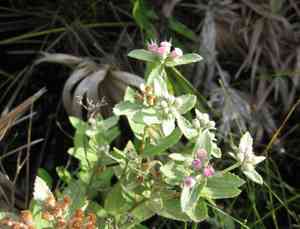
Rosy camphorweed is a robust perennial species prized for its groupings of pinkish-purple blossoms. Reproducing rosy camphorweed via cuttings entails choosing vigorous stalks, preferably from the present year's development. Verify that each cutting measures several inches and possesses multiple leaf nodes. Submerge the severed tip in rooting compound to enhance effective root formation. Insert the cuttings into a porous soil blend, preserving steady dampness until roots take hold.
Optimal Period for Rosy Camphorweed Propagation
Propagation Type
Cutting
Propagation Season
Spring,Summer
Tools Required for Rosy Camphorweed Propagation
Clean Pruning Shears
Pruning shears are vital for obtaining cuttings from rosy camphorweed. Ensure they are clean and sharp to make precise cuts, minimizing disease risk and promoting faster healing.
Rooting Hormone
A rooting hormone can significantly boost the success rate of rosy camphorweed cuttings. It aids in quicker root development by stimulating root cell formation.
Propagation Tray
A propagation tray offers a controlled environment for rosy camphorweed cuttings. It maintains humidity and temperature, creating ideal conditions for root development.
Mist Spray Bottle
A mist spray bottle is essential for maintaining moisture levels around rosy camphorweed cuttings. Regular misting prevents drying out without oversaturating the soil.
Heat Mat
A heat mat provides bottom warmth, which encourages root growth for rosy camphorweed. Keeping the soil warm accelerates the rooting process, especially in cooler climates.
Sterile Potting Mix
A high-quality sterile potting mix ensures rosy camphorweed cuttings are not exposed to pathogens that could hinder root development. The mix should drain well yet retain sufficient moisture.
How to Propagate Rosy Camphorweed?
Propagation Type
Moderately Difficult
Caring for Your Newly Propagated Rosy Camphorweed
Caring for Your Newly Propagated Rosy Camphorweed?
Once rosy camphorweed cuttings have successfully rooted and new growth is observed, gradually acclimate the plants to a less humid environment by incrementally opening the plastic bag or humidity dome. Maintain a consistent watering schedule, ensuring the soil stays moist but not soggy. Rosy camphorweed prefers full sun to partial shade and thrives in well-draining soil. Regularly check for pests and diseases, taking necessary preventive measures. As rosy camphorweed matures, consider pruning to encourage bushier growth and to maintain its shape.
Common Mistakes to Avoid When Propagating Rosy Camphorweed
Inadequate soil drainage
Using soil that retains too much water can lead to root rot, severely affecting rosy camphorweed's growth.
Overwatering
Excessive watering can suffocate the roots and promote fungal diseases, impacting plant health.
Insufficient light
Providing too little light can result in weak, leggy seedlings that are more prone to disease.
Improper cutting technique
Using dull or unsterilized tools can damage plant tissue and introduce pathogens, hindering successful propagation.
Ignoring pests and diseases
Not monitoring for and addressing pests or diseases can lead to infestations that compromise the plant's development.
Tips For Propagating Rosy Camphorweed
Use well-draining soil
Ensure the soil mix facilitates drainage to prevent root rot and supports healthy root development.
Moderate watering
Water sparingly and ensure soil is moist but never waterlogged to avoid root suffocation.
Provide adequate light
Place cuttings or seedlings in a location where they receive plenty of indirect sunlight, promoting robust growth.
Sharp, sterilized tools
Use clean, sharp tools for taking cuttings to prevent damaging the plant and reduce the risk of disease.
Monitor for pests
Regularly check for pests and diseases and treat promptly to maintain the health and vitality of the plant.



