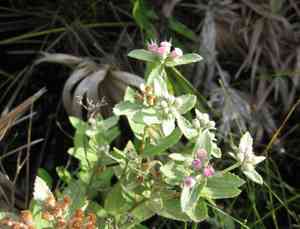
Rosy camphorweed (Pluchea baccharis)
Also known as: Rosy Camphorweed
Rosy camphorweed (Pluchea baccharis) is a tough perennial herb distinguished by its fragrant leaves and ability to thrive in moist, marshy habitats. Its lanceolate leaves and tight bunches of pink to purple flowers are easily recognizable among surrounding greenery. This plant is a magnet for pollinators like bees and butterflies, enhancing local biodiversity. Additionally, rosy camphorweed helps stabilize soils and supports ecosystem health, making it a valuable component of wetland environments.
In This Article
Attributes of Rosy camphorweed
Lifespan
Perennial
Plant Type
Shrub
Plant Height
50 to 150 cm
Spread
Approximately 30 to 60 cm
Leaf Color
Green
Flower Size
Less than 1 cm
Flower Color
Pink to purplish
Images of Rosy camphorweed
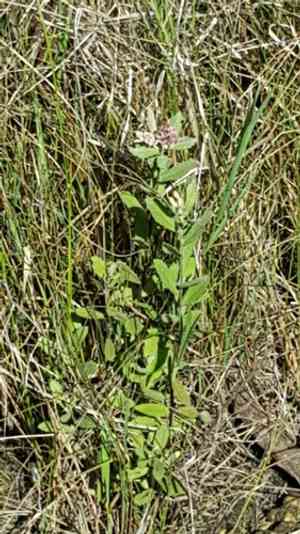
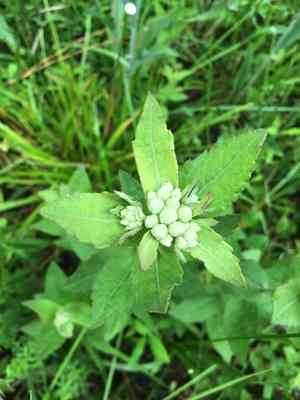
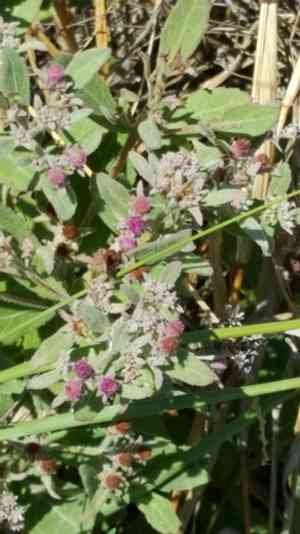
Quickly Identify Rosy camphorweed
1
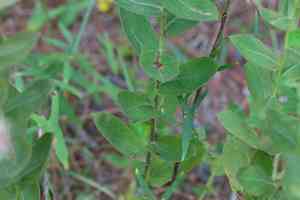
Pluchea baccharis can be identified by its erect, branched stems, and serrated, lance-shaped leaves. The plant produces clusters of small, tubular flowers that are pink to purplish in color. The leaves and stems emit a strong, camphor-like smell when crushed.
Scientific Classification of Rosy camphorweed
Phylum
Vascular plants
Class
Dicotyledons
Order
Asterales
Family
Daisy
Genus
Camphorweeds
Species
Rosy camphorweed
Planting and Growing of Rosy camphorweed
Care Difficulty
Moderate
Watering Schedule
Every 3 days
Sunlight Requirements
Full sun
Sunshine Duration
4-6 hours
Ideal Temperature
60-75℉
Soil Type
Potting Mix, Peat Mix
Soil pH
6.5-7.5
Fertilizer Type
Balanced
Pruning Season
Spring, Summer
Pruning Area
Branches, Leaves
Pruning Frequency
2 times a year
Repotting Season
Spring
Pot Type
Plastic, Ceramic
 How to Water Rosy camphorweed?
The ideal watering for Pluchea baccharis should ensure the soil is moist but not soggy. Watering 300 ml ensures adequate moisture is provided without overwhelming roots, promoting healthy growth.
What are the symptoms of an underwatered Rosy camphorweed?
›
What should I do if my Rosy camphorweed is not getting enough water?
›
What are the symptoms of an overwatered Rosy camphorweed?
›
How to save an overwatered Rosy camphorweed?
›
 What Are the Sunlight Requirements for Rosy camphorweed?
Ideal lighting for Pluchea baccharis ranges from full to partial sun, around 6-8 hours daily. This range promotes optimal photosynthesis, leading to lush foliage and strong structural growth.
What is the best location for Pluchea baccharis?
›
How does Pluchea baccharis benefit from ideal lighting?
›
What are the steps to achieve ideal lighting conditions for Pluchea baccharis?
›
 What Is the Ideal Temperature Range for Rosy camphorweed?
The ideal temperature range for growing Pluchea baccharis is between 60°F and 75°F. This range allows the plant to thrive, promoting optimal growth and flowering. Temperatures within this range support healthy physiological processes and help prevent temperature stress.
 What Soil is Best for Rosy camphorweed?
Pluchea baccharis thrives in well-draining soil, preventing root rot and allowing the plant to absorb nutrients effectively. This promotes stronger root systems and healthier foliage. The plant benefits from soils rich in organic matter, which results in vibrant leaves and robust stems. Nutrient-dense soil supports vigorous growth and flowering. While preferring well-draining soil, it also requires some level of moisture retention to keep the plant hydrated during dry spells, aiding in steady growth.
 How to Fertilize Rosy camphorweed?
Apply a balanced 10-10-10 liquid fertilizer at a rate of one tablespoon per gallon of water. For slow-release granular fertilizers, use approximately 1 ounce per square foot of soil around the base of the plant. This balanced combination ensures an optimal nutrient supply.
 How to Prune Rosy camphorweed?
Before cutting, examine the overall structure of the Pluchea baccharis and identify any dead or diseased branches that need removal. Prioritizing these will help the plant focus nutrients on healthy growth and bloom more robustly. Begin by trimming back overgrown branches to maintain a compact and tidy shape. Pay attention to the natural growth pattern of the plant, and strive to enhance its appearance by evenly trimming any wayward branches that disrupt its symmetry. After shaping, look for areas where new growth can be stimulated. Cut just above leaf nodes or buds as these are the points from which new branches will emerge, encouraging a bushier appearance and enhancing the plant's fullness.
More About Pruning Techniques→
 How to Propagate Rosy camphorweed plant?
1
Gather seeds from mature plants at the end of the flowering season. Look for seeds that are firm and fully developed to ensure successful germination.
2
Select healthy, non-flowering shoots for cuttings. Cut below a node and remove lower leaves, ensuring there are enough nodes for rooting.
3
Carefully dig around the plant to avoid damaging roots. Divide the root clumps into sections, each with ample roots and stems for successful replanting.
 How to Repot Rosy camphorweed plant?
1
Pluchea baccharis shows clear signs when it needs repotting. Look for roots coming out from the drainage holes, a noticeable slowing in growth, or soil compacting too quickly after watering. Spring or autumn is ideal, as the plant is not in active growth, reducing stress during repotting.
2
Choose a pot that is one to two sizes larger than its current one, ensuring it has drainage holes. This prevents water from pooling at the bottom, which can lead to root rot. The material can vary but opting for a breathable one like clay can help manage moisture levels effectively.
3
Opt for a well-draining, light mix enriched with organic matter. This type of soil provides the necessary nutrients and structure for root development while preventing excess moisture retention, which is crucial for Pluchea baccharis to thrive post-repotting.
Learn More About Rosy camphorweed Diseases
Anthracnose
Bacterial Leaf Spot
Bacterial Soft Rot
Bacterial Wilt
Crown Gall
Cyst Nematode
Damping-off
Downy Mildew
Drought Stress
Fusarium Wilt
Gray Mold
Leaf Spot
Mosaic
Nutrient Deficiency
Nutrient Toxicity
Powdery Mildew
Root Rot
Root-knot Nematode
Rusts
Sooty Mold
Spider Mites
Temperature Stress
Thrips Damage
White Mold
Chemical Injury



