How to Prune Rosy camphorweed?
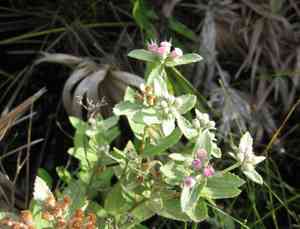
Rosy camphorweed, recognized for its pink flowers and fragrant leaves, thrives with early spring trimming. Eliminate any lifeless or compromised stalks and cut back excessive growth to stimulate fresh development and preserve its form. Consistent trimming improves air movement, lowers the chance of illness, and fosters abundant blossoming. Refrain from extensive pruning in late autumn to avert harm during winter. Proper timing and systematic cutting guarantee a more robust, visually appealing plant. Consult reliable horticultural resources for precise methods and regional weather factors.
What Are the Benefits of Pruning Rosy Camphorweed?
What Are the Benefits of Pruning Rosy Camphorweed?
Trimming rosy camphorweed promotes robust growth and helps maintain its form. It fosters healthy development by eliminating dead or diseased limbs, enhancing air circulation, and boosting its resistance to pests and illnesses.
What Is the Best Time for Pruning Rosy Camphorweed?
What Is the Best Time for Pruning Rosy Camphorweed?
Pruning rosy camphorweed in early spring enables the plant to recover and produce vigorous new growth during its active period. This timing is ideal as it coincides with dormancy, ensuring pruning doesn't disrupt flowering or fruiting. Early spring trimming also aids in shaping the plant and removing dead or damaged wood before new growth starts, promoting better health and aesthetic development throughout the season.
What Tools Do I Need to Prune Rosy Camphorweed?
Hand Pruners (Bypass Pruners)
Perfect for clean cuts on small stems and branches up to 1/2 inch in diameter. Essential for maintaining rosy camphorweed's shape and health.
Loppers
Useful for thicker branches between 1/2 and 1 1/2 inches in diameter. Provides leverage and cutting power without harming the plant.
Pruning Saw
Required for cutting branches thicker than 1 1/2 inches. The saw's teeth create smooth cuts that encourage quick healing in rosy camphorweed.
Hedge Shears
Beneficial for shaping and tidying rosy camphorweed when it grows densely. Keeps the foliage uniform and controls its spreading habit.
Cleaning Tools (Rubbing Alcohol or Bleach Solution)
Crucial for sterilizing tools between cuts to prevent disease spread. Ensure rosy camphorweed stays healthy by disinfecting tools regularly.
How to Prune Rosy Camphorweed
Assess
Carefully examine rosy camphorweed for any diseased foliage, withered leaves, dead branches, and infected branches. Identify areas needing trimming to maintain the plant's health and appearance.
Sanitize
Ensure all trimming tools are disinfected to prevent disease transmission. Use a solution of one part bleach to nine parts water to clean shears, scissors, or other implements.
Remove Diseased Leaves
Trim off any infected leaves by cutting them back to healthy tissue. Make clean cuts to avoid leaving damaged tissue that could attract pests or disease.
Remove Withered Leaves
Remove dried-up leaves by cutting them at the base where they connect to the stem. This helps redirect the plant's energy towards more robust growth.
Cut Dead Branches
Cut dead branches back to the main stem or to a healthy side branch. Ensure clean cuts just outside the branch collar to promote proper healing.
Remove Diseased Branches
Prune away any infected branches by cutting back to healthy wood. Make sure to dispose of the diseased material properly to prevent contamination.
Common Pruning Mistakes with Rosy Camphorweed
Improper Technique
A common error is using dull or unsuitable tools, which can crush stems instead of making clean cuts. This can lead to disease and pest infestations.
Pruning Too Much
Excessive pruning can significantly stress rosy camphorweed, reducing its ability to photosynthesize effectively and weakening the plant. Removing too much foliage at once can also expose the plant to sunburn.
Incorrect Focal Points
Trimming in the wrong areas, such as cutting healthy growth instead of dead or diseased parts, can hinder the plant's development. Always focus on removing dead, diseased, or crossing branches.
Poor Timing Execution
Pruning at random times can disrupt rosy camphorweed's growth cycle. Although the optimal season for pruning has been excluded, adhering to a consistent schedule is critical.
Common Pruning Tips for Rosy Camphorweed
Proper Tools
Use sharp, clean pruning shears for precise cuts. Sterilize tools before use to prevent disease spread.
Prune Lightly
Begin by removing only dead, damaged, or diseased stems and branches. Make incremental cuts, stepping back frequently to assess the plant's shape and avoid over-pruning.
Cut at the Right Angle
Make cuts at a 45-degree angle about ¼ inch above an outward-facing node. This encourages outward and upward growth, preventing the center of rosy camphorweed from becoming congested.
Regular Maintenance
Conduct regular inspections and minor trims rather than major overhauls. This method maintains rosy camphorweed's structural integrity and promotes consistent growth.
Encouraging Flowering
Prune lightly after flowering to encourage new blooms. Removing spent flowers can stimulate additional flowering cycles in some cases.



