How to Transplant Oriental plane?
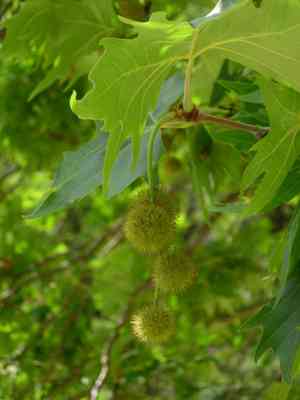
The ideal time for transplanting oriental plane is in early spring, as the temperate conditions facilitate root development. Select a location that receives abundant sunlight and offers sufficient room. Amend the earth, guaranteeing adequate hydration to accommodate oriental plane in its new environment.
Preparations Before Moving Oriental Plane
Optimal Period for Relocating Oriental Plane
Undertake the careful process of moving oriental plane as spring arrives. The ground warms and these initial months offer strong growth and root establishment, making it an ideal time for relocation. Shifting oriental plane during this period of renewed life ensures its vitality aligns with the environment, leading to a smooth transition into its new spot, strengthening it for the future.
Spacing Requirements for Oriental Plane Plants
When planning to transplant oriental plane, remember it requires ample room to develop. Therefore, position your plants approximately 20-30 feet (6-9 meters) apart. This will provide your plant sufficient space to expand and flourish!
Best Soil Blend for Oriental Plane Transplantation
For oriental plane, well-draining soil is vital for its health. Before planting, mix a good amount of compost or aged manure into the soil. This will nourish your plant and enhance soil structure and richness.
Choosing a New Location for Your Oriental Plane
When selecting a site for your oriental plane, always consider its need for sunlight. It thrives best in full sun but can tolerate some partial shade. Also, remember to avoid spots with intense, direct afternoon sun.
Equipment Needed Before Transplanting Oriental Plane
Gardening Gloves
To safeguard your hands while working with the soil and oriental plane.
Shovel or Spade
These implements will be used to excavate the oriental plane from its original spot or prepare the ground for its new placement.
Gardening Fork
This tool will assist in loosening the soil around the plant's root system.
Wheelbarrow or Bucket
This is useful for moving the oriental plane from its initial location to the new transplanting site.
Watering Can or Hose
This is utilized to water the oriental plane at various stages throughout the transplanting procedure.
Mulch
This will help the relocated oriental plane retain moisture in its new environment.
Stakes and Ties
If oriental plane is large or its branches are heavy, these will help support the tree, aiding its establishment in its new location.
How to Extract Oriental Plane from the Soil
How to Extract Oriental Plane from the Soil
From Ground: For oriental plane initially planted in the ground, first hydrate the plant to moisten the soil. This facilitates digging and minimizes unnecessary stress to the root system. Using a spade or shovel, dig a wide circle around the plant, ensuring most of the root ball remains intact. Gradually work your spade beneath the root ball and gently lift the plant.From Pot: For a potted oriental plane, water it thoroughly, allowing excess water to drain through the bottom holes. Once the plant is adequately hydrated, tip the pot sideways and tap it gently to loosen the root ball. Carefully pull out the plant, ensuring the root system stays intact. If the plant is resistant, lay the pot on its side and push the base of the plant until it slides out.From Seedling Tray: If the oriental plane is a seedling, use a small spade or spoon to separate the seedling, along with its surrounding soil, from the tray. Be sure to handle the seedling by the root ball instead of the stem for better protection.
Step-by-Step Guide for Transplanting Oriental Plane
Preparation
Prepare the new planting site in advance before removing the oriental plane from its original spot. The new hole should be roughly twice as wide and the same depth as the plant's root ball.
Removal
Carefully extract the oriental plane from its initial location as per the instructions provided in the 'removal process' section.
Planting
Place the oriental plane in the new hole, ensuring it is at the same depth as it was in its original location and the plant stands upright.
Backfilling
Fill the hole with the excavated soil, pressing it down gently around the base of the oriental plane.
Watering
Water the oriental plane generously immediately after transplanting, ensuring the root ball and surrounding soil are thoroughly saturated.
Mulching
Apply a layer of mulch around the base of oriental plane, keeping the mulch away from the trunk.
Post-Transplant Care for Oriental Plane
Watering
Water the oriental plane thoroughly after transplanting and continue to provide consistent moisture over the next few weeks. It's vital not to let the root ball dry out, but avoid overwatering as it can harm the tree.
Pruning
Avoid extensive pruning right after the transplant. Minor trimming for shape or to remove broken branches is acceptable. Waiting a full season before heavy pruning will allow oriental plane to recover from transplant stress.
Staking
If oriental plane is large or leaning after transplanting, it might require staking to keep it upright. Please ensure to stake loosely to allow the tree to naturally develop strength and rigidity.
Monitoring
Observe the oriental plane over the subsequent weeks for any indications of stress, such as wilting or discoloration, and seek advice if necessary.
Resolving Common Oriental Plane Transplantation Issues
When is the best time to transplant oriental plane?
The optimal time to transplant oriental plane is during mild seasons, particularly between early spring and late summer.
What is the ideal distance to plant oriental plane from other plants?
Allow oriental plane ample space to grow by planting them 20-30 feet (6-9 meters) away from other plants.
How do I prepare the soil for transplanting oriental plane?
Prepare the soil with a mixture of compost and native soil. Ensure it drains well to prevent water-logging, which oriental plane dislikes.
How deep should the hole be for transplanting oriental plane?
The hole should be twice as wide and precisely as deep as the root ball of the oriental plane.
What should I do if the oriental plane starts wilting after transplanting?
Check the soil's moisture levels. If dry, water generously, but if wet, reduce watering. Oriental plane might be experiencing transplant shock, from which it should recover in time.
How often should I water oriental plane after transplanting?
In the initial few weeks, water oriental plane thoroughly every couple of days. Once established, water moderately on a weekly basis.
What's the best way to handle the root ball of oriental plane during transplanting?
Try your best not to disturb the root ball when transplanting oriental plane. Handle the roots gently to prevent causing any unnecessary damage.
How do I ensure successful transplanting of oriental plane?
Begin with a healthy plant, prepare a suitable hole, ensure the soil is fertile and well-draining, and provide plenty of water post-transplant.
Is fertilization necessary after transplanting oriental plane?
Fertilization can be beneficial, but it's not critical immediately after transplanting. Wait a few weeks before considering slow-release, low-nitrogen fertilizers.
Why are there brown patches on the leaves of recently transplanted oriental plane?
Brown patches might indicate sunburn or a disease. Consider adjusting sunlight exposure or consult an expert if conditions persist.



