How to Prune Oriental plane?
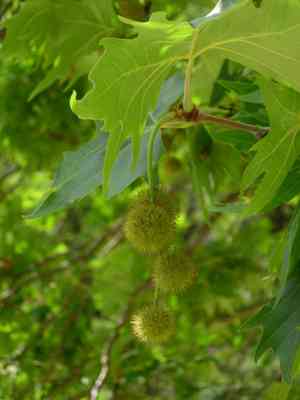
Distinguished by its broad foliage and extended lifespan, oriental plane significantly benefits from regular trimming. Essential methods involve reducing dense branches, eliminating deceased or ailing limbs, and sculpting the crown to foster a robust framework. The most effective time for pruning is in late winter or early spring, coinciding with its inactive period to stimulate energetic development. Appropriate trimming improves air movement, lowers the chance of illness, and preserves oriental plane's visual attractiveness. Cultivators must guarantee their implements are clean and sharp to prevent contamination or strain on the tree.
What Are the Benefits of Pruning Oriental Plane?
What Are the Benefits of Pruning Oriental Plane?
Trimming oriental plane encourages robust development while maintaining its desired form. It ensures the tree's energy is directed towards strong growth, contributing to its longevity and visual appeal.
What Is the Best Time for Pruning Oriental Plane?
What Is the Best Time for Pruning Oriental Plane?
The recommended pruning periods for oriental plane coincide with its dormant phase when active growth has slowed, making the plant less vulnerable to pruning stress. Late winter pruning reduces the chance of winter damage and allows for rapid healing in spring. Pruning in early spring before leaves emerge allows gardeners to easily view the plant's structure and ensures energy is directed to desirable buds, promoting healthy new growth. This timing also avoids disrupting the blooming cycle, as oriental plane flowers and fruits appear later in the season. Trimming during this window supports the plant's vitality and ensures a strong growth cycle in the coming months.
What Tools Do I Need to Prune Oriental Plane?
Hand Pruners
Perfect for cutting small branches up to 3/4 inch thick. Oriental plane may have such branches in its canopy, especially when selectively thinning young growth.
Loppers
Capable of cutting branches up to 2 inches in diameter. Given oriental plane's potential for medium-sized branches, loppers provide the necessary leverage for cleaner cuts.
Pruning Saw
Essential for branches larger than 2 inches in diameter, which oriental plane tends to develop. The saw allows for precision and prevents damage to the trunk and larger limbs.
Pole Prunner
Enables you to safely reach higher branches from the ground. Oriental plane can grow quite tall, and a pole pruner eliminates the need for climbing or using ladders in many situations.
Hedge Shears
Useful for shaping hedges if oriental plane is being used as a screen or hedge. They are not suitable for larger branches, but excellent for fine-tuning the shape of the foliage.
Chainsaw
For removing very large branches or limbs. Must be used with caution and preferably by experienced individuals. Oriental plane trees mature into significant sizes where heavy-duty tools like chainsaws may become necessary for major cuts.
How to Prune Oriental Plane
Cleaning Tools
Before starting, ensure all pruning tools are clean and sharp to prevent disease spread and make precise cuts on oriental plane.
Inspection
Examine oriental plane for dead or diseased branches, identifying which parts require trimming. Look for branches that are discolored, have fungal growth, or are dry and brittle.
Cutting Dead Branches
Using a pruning saw, remove dead branches by cutting at a point just outside the branch collar to promote healing and prevent damage to the trunk of oriental plane.
Cutting Diseased Branches
Carefully cut away diseased branches, ensuring to remove the entire affected area. If diseased branches are near healthy ones, cut at least a few inches into the healthy wood to prevent the spread of disease on oriental plane.
Disposal
Dispose of all removed material from oriental plane immediately and adequately, away from healthy plants, to reduce the risk of disease spread.
Common Pruning Mistakes with Oriental Plane
Overpruning
Removing too much foliage or too many branches, which can stress oriental plane and lead to poor health or reduced vigor.
Improper Cuts
Making jagged cuts or tearing the bark can introduce pathogens and insects, and hinder the healing process of oriental plane.
Flush Cutting
Cutting branches flush against the trunk removes the branch collar, risking infection and decay as oriental plane has a reduced ability to heal these wounds.
Pruning Without Clean Tools
Using dirty pruning tools can spread disease between plants and affect oriental plane's overall health.
Neglecting To Prune
Failing to remove dead or diseased wood can lead to the spread of pests and diseases within oriental plane.
Shearing
Uniformly trimming oriental plane into geometric shapes can lead to dense outer growth that shades the interior, reducing airflow and leading to poor health.
Pruning In Wet Conditions
Pruning during wet conditions increases the risk of spreading water-borne diseases to the freshly cut areas of oriental plane.
Overly Aggressive Pruning
Removing large limbs or the top of oriental plane can cause shock, sunburn, and produce weak, spindly growth.
Common Pruning Tips for Oriental Plane
Sanitized Tools
Use sanitized pruning tools to prevent the spread of disease when cutting branches from oriental plane.
Sharp Tools
Employ sharp tools for clean cuts that heal quickly, minimizing stress and damage to oriental plane.
Three-Point Cut
For removing larger branches, use a three-point cutting technique to avoid bark ripping and support healthy healing in oriental plane.
Thin Crown Selectively
Selectively thin out the crown of oriental plane to allow light penetration and air circulation, promoting a strong structure and overall plant health.
Remove Diseased Wood
Promptly remove any diseased, broken, or dead branches from oriental plane, to prevent further infection and to maintain the plant's aesthetic.
Maintain Natural Shape
Respect the natural growth habit and shape of oriental plane when pruning, to prevent stress and promote a healthier, more aesthetically pleasing tree.
Monitor Growth
Regularly monitor the growth and condition of oriental plane, adjusting pruning practices as needed, to encourage a balanced and healthy canopy.
Water Sprouts And Suckers
Remove water sprouts and suckers that appear on oriental plane as these can drain energy from the main structure and lead to a cluttered form.



