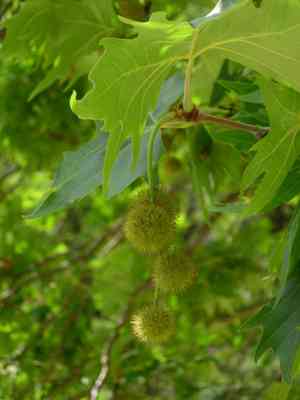
Oriental plane (Platanus orientalis)
Also known as: Oriental plane, Old World sycamore
The American sycamore (Platanus occidentalis) is a deciduous tree that can reach heights of up to 24 meters. It typically features a single trunk with distinctive flaky brownish-gray bark and large, maple-like leaves. Inconspicuous flowers appear in the spring, and the tree produces small round seed balls that persist through the winter. Known for its rapid growth, it serves as an excellent shade tree.
In This Article
Attributes of Oriental plane
Lifespan
Perennial
Plant Type
Tree
Plant Height
30 m
Spread
30 m
Leaf Color
Green
Flower Size
1-1.5 cm
Flower Color
Green
Images of Oriental plane
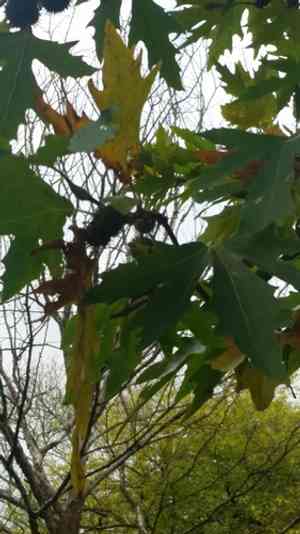
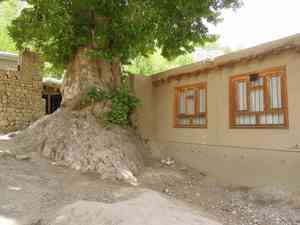
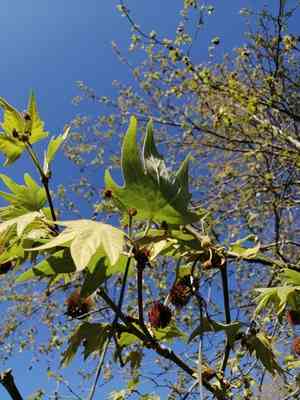
Quickly Identify Oriental plane
1
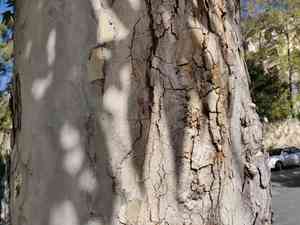
Platanus orientalis can be identified by its large, lobed leaves that are usually 5-7 lobed and resemble those of a maple. The bark is a significant identifier, peeling off in large flakes to reveal a smooth and patchy surface colored in green, white, and cream. The spherical fruit clusters also help in its identification.
Scientific Classification of Oriental plane
Phylum
Vascular plants
Class
Dicotyledons
Order
Proteales
Family
Plane tree
Genus
Plane trees
Species
Oriental plane
Planting and Growing of Oriental plane
Care Difficulty
Moderate
Watering Schedule
Every 8 days
Sunlight Requirements
Full sun
Sunshine Duration
6-10 hours
Ideal Temperature
68-77℉
Soil Type
Potting Mix, Peat Mix
Soil pH
6.5-7.5
Fertilizer Type
Balanced
Pruning Season
Spring, Summer
Pruning Area
Branches, Leaves
Pruning Frequency
2 times a year
Repotting Season
Spring
Pot Type
Plastic, Ceramic
 How to Water Oriental plane?
Platanus orientalis, known as the Oriental plane tree, requires deep watering where the soil around the root zone is thoroughly soaked. A general guideline is to apply around 500 ml per watering session, ensuring moisture reaches deep down without oversaturating the soil.
More About Watering Techniques→
What are the symptoms of an underwatered Oriental plane?
›
What should I do if my Oriental plane is not getting enough water?
›
What are the symptoms of an overwatered Oriental plane?
›
How to save an overwatered Oriental plane?
›
 What Are the Sunlight Requirements for Oriental plane?
Platanus orientalis performs best in full to partial sunlight. Ideal lighting fosters healthier foliage and structural integrity, supporting growth and chlorophyll production crucial for energy.
More About Sunlight Requirements Techniques→
What is the optimal light for Platanus orientalis?
›
How can you ensure Platanus orientalis gets ideal light?
›
What are the benefits of ideal lighting for Platanus orientalis?
›
 What Is the Ideal Temperature Range for Oriental plane?
Platanus orientalis thrives best in a temperature range of 68 to 77°F. This range supports the plant's metabolic processes effectively, encouraging robust growth and development. Keeping the tree within this temperature bracket ensures optimal photosynthesis and nutrient uptake.
 What Soil is Best for Oriental plane?
Platanus orientalis thrives in well-drained soils. Proper drainage helps prevent root rot and other moisture-related issues, ensuring the plant remains healthy and robust. This tree favors nutrient-rich soils that provide ample nourishment for growth. Fertile ground encourages healthy leaf development and overall vitality of the plant. The soil should retain moisture without becoming waterlogged, ensuring that the tree receives a steady supply of water while avoiding excessive dampness that can lead to fungal diseases.
More About Soil→
 How to Fertilize Oriental plane?
For Platanus orientalis, it's important to apply fertilizers with care—an excessive amount can harm the plant. Generally, for liquid fertilizers, you should dilute it to half the recommended strength and apply 250-500 ml evenly around the base of the young trees. For mature trees, a standard 500-1000 ml might be needed, but observe the tree's response to adjust accordingly.
More About Fertilizing Techniques→
 How to Prune Oriental plane?
Inspect the tree carefully to find dead, damaged, or diseased branches. Start by removing these to allow the tree to focus its energy on healthy growth rather than trying to support non-viable limbs. To improve sunlight penetration and air circulation, selectively thin the canopy by removing crossing or overcrowded branches. This not only promotes healthier growth but also gives the tree an aesthetically pleasing shape. Begin shaping the crown by trimming back overly long branches to balance the overall silhouette of the tree. Aim for a natural look, avoiding over-pruning that could lead to stress or excessive sap loss. After pruning, be diligent in cleaning up fallen branches and leaves to prevent the spread of disease. Dispose of or compost this material responsibly to maintain a tidy garden environment.
More About Pruning Techniques→
 How to Propagate Oriental plane plant?
1
Harvest seeds from mature Platanus orientalis fruits in autumn and store them in a cool, dry place until early spring.
2
Select healthy branches for cuttings, ensuring each has at least two nodes. Cut at an angle to increase rooting surface area.
3
Sow seeds in seed trays filled with a mix of potting soil and perlite. For cuttings, dip the ends in rooting hormone and plant them in moist soil.
 How to Repot Oriental plane plant?
1
Repot Platanus orientalis when you notice signs such as roots visibly outgrowing the pot or water draining too quickly, indicating root-bound conditions. Spring and summer are ideal seasons as the plant is in active growth, which aids recovery.
2
Select a pot that is 2-4 inches larger in diameter than the current one, with adequate drainage holes. This ensures the plant has enough room to grow and prevents waterlogged conditions, reducing the risk of root rot.
3
Opt for loam-based soil combined with perlite for additional drainage. This mix retains essential moisture but allows excess water to escape, ensuring that the roots receive enough oxygen and reducing the risk of overwatering.



