The Oriental plane Plant Advantage: Maximizing Home and Office Appeal and Wellness
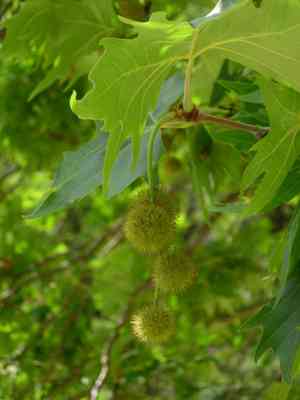
1
The Oriental plane tree naturally cleanses the air, greatly enhancing the quality of city air.
2
Its widespread root network aids in stabilizing soil and preventing land degradation.
3
This tree offers superb shade and a cooling sensation, making city environments more comfortable.
Why Select Oriental Plane for City Landscaping?
Robust Growth in Varied Settings
The Oriental plane exhibits remarkable adaptability, flourishing across diverse soil types and climate conditions. This hardiness makes it an excellent choice for urban landscaping, where environmental pressures are common. City areas frequently face pollution, compacted earth, and inconsistent irrigation. Despite these challenges, the Oriental plane thrives, offering crucial greenery and enhancing the overall visual appeal of urban districts.
Minimal Upkeep Requirements
Another key advantage of the Oriental plane is its relatively low maintenance demands. Once established, this tree needs little watering and pruning, making it an economical option for city planners. The tree's inherent resistance to pests and diseases further lessens the need for chemical interventions, promoting a more sustainable approach to urban greening.
Environmental Advantages of Oriental Plane
Natural Air Purifier
Urban air pollution is a widespread problem, impacting the health and life quality of city residents. The Oriental plane plays a vital role in alleviating this issue by serving as a natural air cleanser. Its expansive canopy captures particulate matter, while its leaves absorb pollutants like carbon dioxide, sulfur dioxide, and nitrogen oxides. This positions the Oriental plane as an indispensable tool in combating urban pollution.
Soil Stabilization and Erosion Prevention
The extensive root system of the Oriental plane is particularly effective for stabilizing soil. In urban environments, where construction and other activities often disturb the ground, the Oriental plane helps prevent erosion by binding the soil together. This not only reduces the risk of landslides and other geological events but also improves soil health by encouraging microbial activity and aeration.
Societal and Aesthetic Contributions
Providing Shade and Cooling
One of the most valued benefits of the Oriental plane is its capacity to offer shade and a cooling effect. In urban landscapes dominated by concrete and asphalt, temperatures can rise significantly, leading to the 'urban heat island' phenomenon. The Oriental plane mitigates this problem by providing ample shade, thereby lowering temperatures and making outdoor spaces more comfortable for inhabitants. This natural cooling can also decrease energy consumption in buildings, contributing to reduced greenhouse gas emissions.
Enhancing Visual Appeal
The Oriental plane is not only practical but also visually pleasing. Its large, spreading crown and textured bark add a touch of natural elegance to urban settings. This aesthetic value can boost property values and make public areas more inviting, contributing to the social well-being of communities. Plazas, parks, and walkways featuring the Oriental plane often become popular spots for recreation and relaxation, fostering a stronger sense of community.
Contributing to Biodiversity
Creating Habitats for City Wildlife
The Oriental plane acts as a crucial habitat for various urban wildlife species. Its large, sturdy branches offer nesting sites for birds, while its leaves and bark provide food and shelter for insects and small mammals. This contribution to urban biodiversity is essential for maintaining ecological balance in cities, where natural habitats are scarce. The presence of such diverse flora and fauna can also offer educational opportunities for city dwellers, promoting a better understanding of ecological principles.
Supporting Urban Ecosystems
The Oriental plane not only supports individual species but also contributes to the broader urban ecosystem. Its leaves, upon falling and decomposing, enrich the soil with nutrients, encouraging the growth of other plants. This natural recycling process helps maintain soil fertility and reduces the need for artificial fertilizers. Furthermore, the tree's vast canopy can intercept rainfall, slowing down water runoff and improving water infiltration into the soil. This aids in managing stormwater and lessening the risk of urban flooding.
How to Incorporate Oriental Plane into Urban Planning?
Selecting Optimal Locations
To maximize the advantages of the Oriental plane, it is vital to choose appropriate planting sites. While the tree is adaptable, its full growth potential is best achieved in open areas where its canopy can expand without hindrance. Ideal spots include public parks, large gardens, and along streets with broad sidewalks. Strategic placement can also ensure the tree provides optimal shade and cooling benefits, especially in areas prone to high temperatures.
Ensuring Long-Term Health and Development
Although the Oriental plane is relatively low-maintenance, some initial care is crucial to guarantee its long-term health. Proper watering during the first few years, along with occasional pruning, can help the tree establish itself successfully. Regular monitoring for pests and diseases, even though the Oriental plane is naturally resistant, can prevent any potential issues from escalating. Engaging in community-driven planting and maintenance programs can also foster a sense of ownership and responsibility among residents, ensuring the tree's well-being for years to come.



