How to Transplant Parry pinyon?
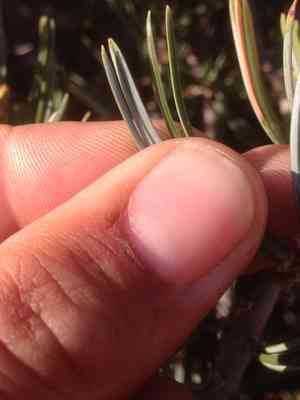
For parry pinyon, the most favorable time for relocation is from late fall to the beginning of winter, benefiting from lower temperatures and elevated soil hydration. Make certain to choose a sunny spot with soil that drains effectively to encourage proper rooting.
What Preparations are Needed Before Transplanting Parry Pinyon?
What is the Ideal Time for Transplanting Parry Pinyon?
Relocating parry pinyon during the prime seasons of mid-to-late autumn or the initial phase of winter guarantees minimal stress and encourages robust root development. Moving the perennial during these cooler periods allows it to prioritize root growth over foliage, boosting its resilience and long-term growth prospects.
How Much Space Should You Leave Between Parry Pinyon Plants?
For parry pinyon, position your plants 18-20 feet (5.5-6 meters) apart. This will ensure ample room for growth and expansion, preventing overcrowding which can hinder their development.
What is the Best Soil Mix for Parry Pinyon Transplanting?
Prepare well-draining, sandy or rocky soil for parry pinyon. Incorporate some organic compost and a balanced, slow-release fertilizer to supply essential nutrients. Aim for soil that isn't too dense to support healthy root development.
Where Should You Relocate Your Parry Pinyon?
Select a sunny location for transplanting parry pinyon. This plant thrives in full sun, so find a spot where it will receive at least 6 hours of direct sunlight daily.
What Equipments Should You Prepare Before Transplantation Parry Pinyon?
Gardening Gloves
To safeguard your hands while handling soil and the plant.
Shovel or Spade
For excavating the hole and trench around the plant.
Watering Can or Hose
To hydrate the plant before and after its relocation.
Pruners
To trim any damaged roots or branches during the transplanting process.
Burlap or Plastic Sheeting
To wrap the root ball if moving from the ground.
How Do You Remove Parry Pinyon from the Soil?
How Do You Remove Parry Pinyon from the Soil?
From Ground: First, water the parry pinyon plant to moisten the soil. Then, dig a wide trench around the plant using a shovel or spade, ensuring the plant's root ball remains intact. Carefully work the spade under the root ball to lift the plant from its original spot.From Pot: Water the parry pinyon plant thoroughly. Gently invert the pot, tapping the base if necessary, to ease the plant out. Ensure the root ball stays intact as you remove the plant.From Seedling Tray: Water the parry pinyon seedlings. Use a small trowel or your fingers to gently lift the seedlings, ensuring minimal disturbance to the roots.
Step-by-Step Guide for Transplanting Parry Pinyon
Prepare the Site
Ensure the new location has adequate sunlight and space. Dig a hole that is twice as wide and as deep as the root ball of your parry pinyon plant.
Enrich the Soil
Amend the soil in the new hole with compost or other organic material to provide nutrients for the plant.
Transport the Plant
Carefully move the parry pinyon plant to its new location, keeping the root ball intact using burlap or plastic sheeting if necessary.
Plant the parry pinyon
Place the parry pinyon plant into the prepared hole, making sure it is at the same depth as it was in its original location. Fill the hole with soil, pressing lightly around the base.
Water the Plant
Water the plant thoroughly after transplanting to help the soil settle around the roots.
Mulch the Base
Apply a layer of mulch around the base of the parry pinyon plant to help retain moisture and regulate soil temperature.
How Do You Care For Parry Pinyon After Transplanting?
Watering
Keep the soil around the parry pinyon consistently moist, but not waterlogged, for the initial weeks after transplanting to aid in establishing strong roots.
Monitoring
Observe for any indications of transplant shock, such as wilting or yellowing leaves, and take appropriate action by adjusting watering habits or adding shade.
Pruning
Remove any damaged or dead branches to help the plant focus its energy on establishing its roots in the new location.
Protection
If transplanting in a windy area, consider staking the parry pinyon plant to give it extra support while it establishes.
Troubleshooting Common Issues with Parry Pinyon Transplantation.
When is the best time to transplant parry pinyon?
The optimal time to transplant parry pinyon is during mid to late fall or early winter.
How much spacing should I keep between parry pinyon plants?
Ensure a spacing of 18-20 feet (5.5-6 meters) between each parry pinyon to allow optimal growth.
What size should the planting hole be for parry pinyon?
Dig a hole twice as wide and slightly deeper than parry pinyon's root ball, ideally 18 inches (45 cm) deep.
How do I prepare the soil for transplanting parry pinyon?
Amend the soil with organic compost to improve drainage and nutrient content before transplanting parry pinyon.
How do I handle parry pinyon's root ball during transplant?
Handle parry pinyon's root ball with care, ensuring minimal disturbance to prevent transplant shock.
How should I water parry pinyon after transplanting?
Water parry pinyon thoroughly right after transplanting and maintain consistent moisture without overwatering.
What should I do if parry pinyon shows signs of transplant shock?
If parry pinyon shows signs of transplant shock, provide shade and keep the soil moist but not waterlogged.
Should I fertilize parry pinyon immediately after transplanting?
Avoid fertilizing parry pinyon immediately after transplanting. Wait until early spring to start feeding.
Can I prune parry pinyon during transplanting?
Prune any damaged roots or branches during transplanting to promote healthy growth of parry pinyon.
What's the ideal sun exposure for parry pinyon after transplanting?
Ensure parry pinyon is transplanted in a location with full sunlight for at least 6 hours daily.



