How to Propagate Parry pinyon?
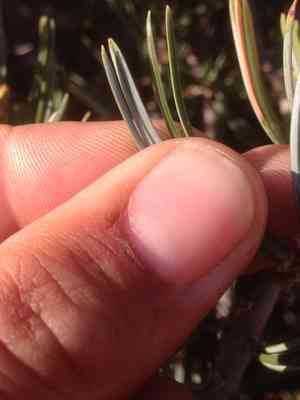
Pinus quadrifolia, a pine variety, is predominantly located in southern California and the northern region of Baja California. This coniferous tree flourishes optimally in sandy, well-drained substrates and necessitates complete sunlight. To achieve successful propagation, plant seeds in fertile soil, ensuring continuous dampness without oversaturation. Sprouting may extend over several weeks, and young plants will require safeguarding from harsh temperatures and harmful organisms. Applying a layer of mulch aids in preserving soil humidity and inhibiting weed growth.
When Is the Optimal Period to Propagate Parry Pinyon?
Propagation Method
Seeding
Propagation Season
Spring
What Equipment Is Utilized in Parry Pinyon Propagation?
Seed Sowing Trays
Seed starting trays offer a controlled setting for the initial phases of parry pinyon development. These trays aid in organizing seeds and maintaining appropriate moisture levels, vital for seed sprouting.
Quality Potting Mix
A well-draining, nutrient-rich potting medium supports the delicate parry pinyon seedlings. This guarantees that seeds access essential nutrients and prevents waterlogging, which can harm young plants.
Misting Bottle
A misting bottle enables gentle and uniform watering of seedling trays. This helps sustain the ideal moisture level without disturbing parry pinyon seeds or young sprouts, fostering healthy germination.
Heating Mat
A heating mat positioned beneath seed sowing trays helps maintain a consistent soil temperature, crucial for parry pinyon germination. It simulates natural warmth that can accelerate seedling growth.
Labeling Stakes
Labeling stakes help track various batches or types of planted seeds. Accurate labeling ensures proper identification and care for parry pinyon, especially in environments with multiple plant species.
Transparent Covers/Domes
These covers create a greenhouse effect by retaining humidity and warmth, essential for the initial parry pinyon seed germination. They shield seeds from drafts and temperature fluctuations.
Soil Thermometer
Soil thermometers monitor the potting mix temperature, ensuring it stays within the optimal range for parry pinyon seeds to sprout and flourish.
Hand Trowel
A hand trowel is useful for moving and mixing potting soil, planting seeds at the correct depth, and transplanting seedlings with minimal root disturbance, all critical for parry pinyon's healthy development.
How to Propagate Parry Pinyon?
Propagation Type
Simple
How to Care for Your Newly Propagated Parry Pinyon?
How to Care for Your Newly Propagated Parry Pinyon?
Once seedlings emerge and are robust enough, transfer them into individual containers with a sandy, well-draining soil blend. Gradually introduce the young plants to outdoor conditions by hardening them off over several weeks. Water regularly, but allow the soil to dry slightly between waterings to mimic natural arid conditions. Provide full sun exposure and protect from extreme cold, as parry pinyon prefers warm, dry environments. Periodically check for pests and diseases and apply suitable treatments as needed.
Common Mistakes to Avoid When Propagating Parry Pinyon
Improper seed stratification
Failure to cold stratify seeds can lead to poor germination rates, as parry pinyon seeds require a cold period to break dormancy.
Overwatering
Excessive watering can cause root rot and fungal issues, which are detrimental to parry pinyon's growth and propagation success.
Poor soil drainage
Using soil that lacks proper drainage can result in waterlogged conditions, negatively impacting seedling development.
Incorrect light exposure
Providing either too much or too little light can impede the seedling growth of parry pinyon.
Using non-sterile equipment
Using unsterilized tools and containers can introduce pathogens that may infect seeds or seedlings.
Tips For Propagating Parry Pinyon
Cold stratification
Stratify parry pinyon seeds in a refrigerator for 3-4 months to break dormancy, simulating natural winter conditions.
Moderate watering
Water seedlings moderately, ensuring the soil remains moist but not waterlogged to prevent root rot.
Well-draining soil
Utilize a sandy or loamy soil mix that ensures good drainage, reducing the risk of fungal diseases and waterlogged roots.
Optimal light settings
Place seedlings in a location where they receive partial to full sunlight, ensuring sufficient light for healthy growth without constant intense direct sunlight.
Sterilize tools
Use sterilized equipment and containers to minimize infection risks, providing a healthier start for seedlings.



