How to Prune Parry pinyon?
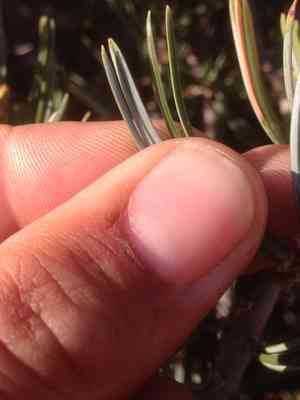
Parry pinyon is a slow-developing conifer recognized for its compact growth pattern and thick, needle-laden limbs. Perform trimming in late winter or early spring to sculpt and eliminate any deceased or ailing wood. Employ sharp, sterilized implements for accurate incisions, and refrain from extensive pruning to preserve the plant's inherent structure. Trimming improves air movement and light exposure, diminishing the likelihood of pest outbreaks and illnesses, thereby aiding parry pinyon's flourishing. Always disinfect tools between each cut to avert the dissemination of harmful microorganisms.
What Are the Benefits of Pruning Parry Pinyon?
What Are the Benefits of Pruning Parry Pinyon?
Trimming parry pinyon encourages robust development, maintaining its form and preventing excessive growth. It improves light and air circulation, lowering pest and disease risks. Regular trimming helps manage its size, enhances overall appearance, and fosters strong, healthy branches.
What Is the Best Time for Pruning Parry Pinyon?
What Is the Best Time for Pruning Parry Pinyon?
The optimal seasons for trimming parry pinyon are early spring and late winter. Pruning during these periods allows parry pinyon to recover and produce new growth as it emerges from dormancy. This timing ensures that pruning wounds have ample time to seal before the summer's heat and stress. Additionally, trimming in early spring or late winter avoids disrupting the plant's active growth phase, ensuring we do not interfere with its flowering and fruiting cycles. These seasons also reduce the risk of pest infestations and diseases, which are less active during colder months.
What Tools Do I Need to Prune Parry Pinyon?
Hand Pruners
Perfect for severing small branches and twigs up to 1 inch in diameter. Essential for precise cuts and maintaining the health of parry pinyon.
Lopping Shears
Useful for severing branches up to 2 inches in diameter. The extended handles provide leverage, simplifying the task of trimming thicker branches of parry pinyon.
Pruning Saw
Designed for severing branches exceeding 2 inches in diameter. Its sharp, coarse teeth are effective for making clean cuts on the larger branches of parry pinyon.
Pole Pruner
Enables the trimming of elevated branches without needing a ladder. Crucial for safely and efficiently reaching the upper sections of parry pinyon.
Bypass Loppers
Versatile for smoothly cutting through medium-sized branches. Recommended for making clean cuts that heal well on parry pinyon.
Anvil Pruners
Effective for removing dead wood. The cutting action crushes and severs, making it suitable for dead or tough branches of parry pinyon.
How to Prune Parry Pinyon
Assess
Start by closely inspecting parry pinyon for any diseased or withered foliage. Note any areas that appear unhealthy or lifeless.
Sterilize
Sanitize your pruning tools with a 70% isopropyl alcohol solution to prevent disease transmission from affected areas to healthy plant parts.
Remove Diseased
Carefully snip off diseased leaves by cutting just below the affected zone, ensuring all infected parts are removed without harming healthy growth.
Remove Withered
Cut away withered leaves, making clean cuts at the base of the leaf stem to encourage vigorous new growth. Be careful not to over-prune, as parry pinyon can be sensitive to extensive trimming.
Dispose
Properly discard all removed leaves by bagging and placing them in the trash. Do not compost diseased plant material to avoid spreading pathogens.
Common Pruning Mistakes with Parry Pinyon
Over-pruning
Removing too much foliage at once can stress parry pinyon and hinder growth. It's important to avoid cutting back more than 20% of the tree's canopy in a single session.
Improper cutting angle
Making incorrect cuts, especially flat cuts, can lead to water accumulation and subsequent disease. Always cut at a slight angle to allow moisture to run off.
Neglecting tools
Using dull or dirty tools can cause damage to the branches and potentially spread disease. Always use clean, sharp tools for pruning.
Timing errors
Pruning at the wrong time of year, such as during peak growth periods or extreme weather conditions, can stress parry pinyon and lead to poor healing and vulnerability to pests.
Ignoring natural shape
Altering the natural growth habit of parry pinyon by over-trimming can lead to undesirable forms and weaken the tree's structure.
Common Pruning Tips for Parry Pinyon
Sanitation
Always clean and sterilize pruning tools before and after use to prevent the spread of disease. A solution of one part bleach to nine parts water works well for this purpose.
Cutting technique
Make clean cuts at a slight angle just above a branch node to promote healthy regrowth. Avoid leaving stubs as they can attract pests and diseases.
Target deadwood
Focus first on removing any dead, diseased, or damaged branches, which improves air circulation and reduces the risk of infection.
Uniform thinning
Thin out branches uniformly to ensure that sunlight can reach deep into the canopy. This encourages new growth and a healthier tree.
Future growth
When pruning, consider the plant's future growth by making cuts that will guide the shape of the tree and removing any branches that cross or are likely to rub against each other.



