How to Transplant Blueflower butterwort?
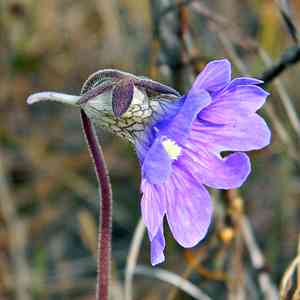
The period spanning early to late spring offers the perfect opportunity for relocating blueflower butterwort. Select a site that receives ample sunlight or partial shade, featuring soil that drains effectively, to foster its optimal development.
What Preparations are Needed Before Transplanting Blueflower Butterwort?
What is the Ideal Time for Transplanting Blueflower Butterwort?
Blueflower butterwort, a perennial plant, should ideally be moved from early to late spring. This timeframe allows for optimal root development as the soil warms and consistent moisture levels support its growth. Relocating blueflower butterwort during this period enhances its ability to flourish, minimizes transplant shock, and aligns with its natural growth cycle for a healthier, more robust specimen.
How Much Space Should You Leave Between Blueflower Butterwort Plants?
When relocating blueflower butterwort, aim for a separation of 6-8 inches (15-20 cm) between each plant. This provides ample room for development and air circulation, helping to prevent overcrowding and fostering vigorous plants.
What is the Best Soil Mix for Blueflower Butterwort Transplanting?
Prepare a soil blend that drains well yet retains moisture. A mixture of two parts peat to one part sand or perlite is optimal. Incorporating a small amount of slow-release fertilizer can also give blueflower butterwort a strong start.
Where Should You Relocate Your Blueflower Butterwort?
Select a location with full sun to partial shade for blueflower butterwort. This plant thrives with approximately 4-6 hours of indirect sunlight daily, which will promote optimal growth while preventing the soil from drying out too quickly.
What Equipments Should You Prepare Before Transplantation Blueflower Butterwort?
Gardening Gloves
To safeguard your hands while handling soil and the plant.
Shovel or Spade
To excavate and relocate the plant with minimal root disturbance.
Trowel
For refining the planting hole and working around delicate root systems.
Watering Can or Hose
For hydrating the plant during and after the relocation process.
Mulch
To aid in moisture retention and regulate soil temperature post-transplant.
Garden Fork
To help loosen the soil around the plant and lessen transplant shock.
Plant Labels
To identify the plant and keep track of its new position.
How Do You Remove Blueflower Butterwort from the Soil?
How Do You Remove Blueflower Butterwort from the Soil?
From Ground: First, water the blueflower butterwort plant to moisten the soil. Then, dig a wide trench around the plant using a shovel or spade, ensuring the plant's root ball remains intact. Carefully work the spade under the root ball to lift the plant from its original spot.From Pot: Before extracting the blueflower butterwort from its container, water it thoroughly to make the soil easier to manage. Turn the pot sideways and gently tap the sides to loosen the soil. Carefully slide the plant out while supporting its base and roots.From Seedling Tray: Water the seedlings to dampen the soil. Use a small trowel or your fingers to gently lift each blueflower butterwort seedling out. Be careful not to harm the delicate roots during this process.
Step-by-Step Guide for Transplanting Blueflower Butterwort
Site Preparation
Clear the area of unwanted plants, stones, and debris. Dig a hole that is twice as wide and equal in depth to the root ball of the blueflower butterwort plant.
Soil Amendment
Incorporate compost or organic material into the soil to enhance its quality. Mix it thoroughly with the existing soil to ensure good drainage and nutrient availability.
Plant Placement
Gently position the blueflower butterwort plant into the prepared hole, ensuring it sits at the same depth as it did in its previous location. Backfill the hole with soil, pressing gently around the base to eliminate air pockets.
Watering
Water the plant thoroughly immediately after transplanting to settle the soil around the roots. Ensure the water reaches the root zone without oversaturating the plant.
Mulching
Apply a layer of mulch around the plant, leaving a gap around the stem to prevent rot. Mulch helps retain moisture and reduce weed growth.
How Do You Care For Blueflower Butterwort After Transplanting?
Watering
Keep the soil around the blueflower butterwort consistently moist, but not waterlogged, for the initial few weeks post-transplant to aid in strong root establishment.
Monitoring
Regularly inspect the plant for signs of distress, such as wilting or yellowing foliage. Adjust care as needed to ensure the plant adapts well to its new environment.
Pruning
Remove any damaged or dead leaves to encourage healthy growth and reduce stress on the plant.
Protection
If relocating during harsh weather, consider providing temporary shade or wind protection to help the plant acclimate.
Troubleshooting Common Issues with Blueflower Butterwort Transplantation.
When is the best time to transplant blueflower butterwort?
The optimal period to relocate blueflower butterwort is from early spring to late spring for best growth.
How far should I space blueflower butterwort plants when transplanting?
Space each blueflower butterwort plant approximately 6-8 inches (15-20 cm) apart to ensure ample growth room.
What soil conditions are ideal for transplanting blueflower butterwort?
Utilize a well-draining, acidic soil mix, ideally a blend of sand and peat moss, for blueflower butterwort.
How do I prepare the new site for blueflower butterwort transplanting?
Ensure the new location has moist soil and partial to full sunlight for blueflower butterwort to flourish.
How to avoid transplant shock in blueflower butterwort?
Water thoroughly immediately after relocating blueflower butterwort and keep the soil consistently moist.
Should blueflower butterwort be fertilized after transplanting?
Avoid fertilizing blueflower butterwort right after transplanting; wait for new growth before feeding.
How deep should blueflower butterwort be planted when transplanting?
Plant blueflower butterwort at the same depth it was previously growing to prevent stress.
Can blueflower butterwort be transplanted in the fall?
Relocating blueflower butterwort in autumn is not ideal; early spring to late spring is preferred.
How can I protect blueflower butterwort from pests during transplanting?
Regularly check blueflower butterwort for pests and apply appropriate organic pesticides if necessary.
How soon will blueflower butterwort establish after transplanting?
Blueflower butterwort typically establishes within a few weeks if given proper care and optimal conditions.



