How to Prune Blueflower butterwort?
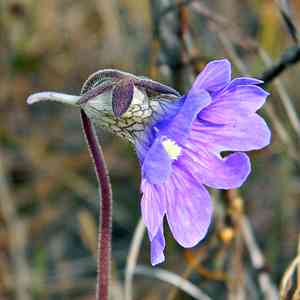
Pinguicula caerulea, distinguished by its subtle azure blossoms, flourishes with infrequent trimming. Essential methods include excising withered or ailing leaves and reducing dense clusters. The most favorable times for pruning are late winter and early spring, coinciding with its inactive and pre-development stages. Trimming during these intervals fosters vigorous re-growth, improves air movement, and deters fungal problems. Consistent upkeep guarantees vivid flowers and strong vitality throughout the cultivation period.
What Are the Benefits of Pruning Blueflower Butterwort?
What Are the Benefits of Pruning Blueflower Butterwort?
Blueflower butterwort benefits from trimming to encourage robust growth and maintain its form. Proper trimming promotes healthier development, improved blooming, and helps manage its size, preventing it from becoming leggy. Additionally, it enhances air circulation, reducing the risk of pests and diseases.
What Is the Best Time for Pruning Blueflower Butterwort?
What Is the Best Time for Pruning Blueflower Butterwort?
Trimming blueflower butterwort in early spring and late winter is optimal as it coincides with the end of its dormant period. During this time, the plant's growth is minimal, and it has not yet initiated its active growth cycle. Pruning at these times helps prevent undue stress and allows blueflower butterwort to recover quickly as it enters the growing season. Furthermore, removing dead foliage and ensuring adequate air circulation can help reduce disease risk and foster healthier overall growth.
What Tools Do I Need to Prune Blueflower Butterwort?
Precision Pruning Shears
These are crucial for making clean cuts on delicate parts of blueflower butterwort without causing unnecessary harm. Their sharp, narrow blades help you navigate the plant's small, intricate structure.
Fine-tip Tweezers
These are perfect for removing dead leaves and flower parts from blueflower butterwort. The fine tips allow access to tight spaces without disturbing the plant's growth.
Disinfectant Wipes
These are vital for sanitizing tools before and after use on blueflower butterwort to prevent infections and disease transmission. Always ensure tools are clean to maintain plant health.
How to Prune Blueflower Butterwort
Inspection
Examine the entire blueflower butterwort plant for any indications of diseased or withered leaves. Look for discoloration, drooping areas, or any presence of mold and pests.
Sterilization
Before cutting, ensure your pruning tools are sterilized to prevent disease spread. Use a solution of one part bleach to nine parts water or rubbing alcohol.
Removal of Diseased Leaves
Gently remove any diseased leaves by cutting them at the base with sanitized scissors or pruning shears. Ensure you cut as close to the base as possible without harming the healthy parts of the plant.
Removal of Withered Leaves
Carefully trim withered or dead leaves by making clean cuts near the base where the leaves meet the plant. Avoid tearing or pulling on the leaves to prevent stress on the plant.
Disposal
Properly dispose of the removed leaves. Do not compost them as they may harbor pathogens. Instead, discard them in the trash to prevent any potential spread of disease.
Common Pruning Mistakes with Blueflower Butterwort
Wrong technique
Incorrect cutting methods, such as using dull tools or making jagged cuts, can damage blueflower butterwort's sensitive leaves and stems.
Over-pruning
Removing too many leaves or stems can stress blueflower butterwort, leading to poor growth and reduced flowering.
Pruning too frequently
Frequent pruning can disrupt blueflower butterwort's natural growth cycle, preventing it from thriving.
Common Pruning Tips for Blueflower Butterwort
Use sterile tools
Always use clean, sharp tools to prune blueflower butterwort to avoid introducing diseases.
Minimalistic approach
Prune sparingly, only removing dead or damaged leaves to maintain the plant's health without causing unnecessary stress.
Observe plant health
Regularly monitor blueflower butterwort for any signs of pests or disease and prune affected areas immediately to prevent spread.



