How to Propagate Blueflower butterwort?
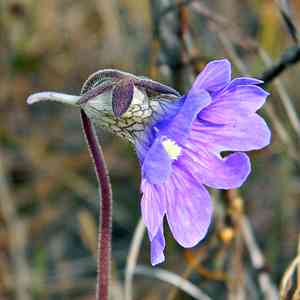
Pinguicula caerulea, or blueflower butterwort, is an alluring carnivorous species recognized for its vibrant azure blossoms and distinctive insect-capturing foliage. It flourishes in damp, impoverished substrates and is most effectively multiplied via leaf sections. Merely choose a robust leaf, position it on moist earth, and guarantee elevated humidity to foster root formation. This plant necessitates continuous hydration and diffused sunlight throughout its development. A delicate approach and perseverance will produce optimal outcomes.
What Is the Best Time To Propagate Blueflower Butterwort?
Propagation Type
Cutting
Propagation Season
Spring,Summer
What Tools Are Used in Blueflower Butterwort Propagation?
Sterile Scalpel or Razor Blade
Utilized for making precise cuts from blueflower butterwort. This instrument ensures clean incisions, lowering infection risk and promoting faster healing and rooting.
Rooting Hormone
Helps stimulate root growth in blueflower butterwort cuttings. It boosts success rates by encouraging quicker, stronger root development.
Propagation Tray
Offers a controlled environment for blueflower butterwort cuttings to root. It maintains optimal moisture and humidity levels crucial for successful propagation.
Humidity Dome
Assists in maintaining elevated humidity levels around blueflower butterwort cuttings. It prevents drying out and keeps cuttings hydrated until roots establish.
Spray Bottle
Ensures gentle, even water distribution to maintain necessary moisture levels for blueflower butterwort. It's vital for keeping cuttings hydrated without disturbance.
Perlite or Vermiculite
Provides an aerated rooting medium for blueflower butterwort cuttings. It prevents waterlogging and ensures good drainage, essential for root development.
Heating Mat
Maintains a consistent, warm temperature around blueflower butterwort cuttings. Warmth accelerates rooting and overall propagation success.
How to Propagate Blueflower Butterwort?
Propagation Type
Easy
How to Care for Your Newly Propagated Blueflower Butterwort?
How to Care for Your Newly Propagated Blueflower Butterwort?
Post-propagation, keep the soil damp with distilled or rainwater, avoiding tap water due to minerals. Maintain high humidity by misting or using a humidity tray. Position the container in bright, indirect light, shunning direct sun. Gradually adapt new plants to their conditions. Feed occasionally with insects or diluted carnivorous plant fertilizer to encourage growth and health.
Common Mistakes to Avoid When Propagating Blueflower Butterwort
Overwatering
Excessive water can cause root rot and fungal issues. Blueflower butterwort prefers slightly damp conditions, not saturated.
Using The Wrong Soil
Standard potting soil is too dense and holds too much moisture. Blueflower butterwort needs well-draining, sandy soil to thrive.
Lack of Sufficient Light
Blueflower butterwort requires bright, indirect light for proper photosynthesis. Insufficient light can result in weak, leggy growth.
Incorrect Humidity Levels
Blueflower butterwort needs relatively high humidity to mimic its natural environment. Low humidity can cause leaves to dry and hinder propagation.
Tips For Propagating Blueflower Butterwort
Use Appropriate Soil Mix
Utilize a well-draining blend of sand and peat to ensure proper aeration and moisture levels.
Maintain Proper Moisture
Keep the soil slightly damp. Water sparingly and avoid saturating the soil.
Provide Sufficient Light
Ensure blueflower butterwort receives bright, indirect sunlight. Consider grow lights if natural light is inadequate.
Maintain High Humidity
Increase humidity around the plant by regular misting or using a humidity tray. This aids blueflower butterwort in developing strong, healthy leaves.



