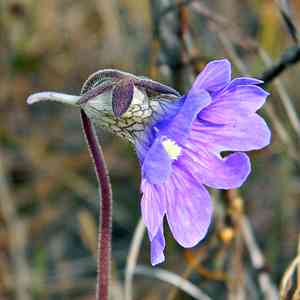
Blueflower butterwort (Pinguicula caerulea)
Also known as: Blue Butterwort
The blueflower butterwort is a fascinating carnivorous plant known for capturing insects on its sticky leaves. Its charming violet flowers stand in contrast to its predatory behavior. This plant thrives in wet, nutrient-deficient habitats like bogs and fens. By digesting trapped insects, it effectively supplements the scarce nutrients available in its environment.
In This Article
Attributes of Blueflower butterwort
Lifespan
Perennial
Plant Type
Herb
Plant Height
0 mm to 30 cm
Spread
2-4 inches
Leaf Color
Green
Flower Size
2.5 cm
Flower Color
Blue
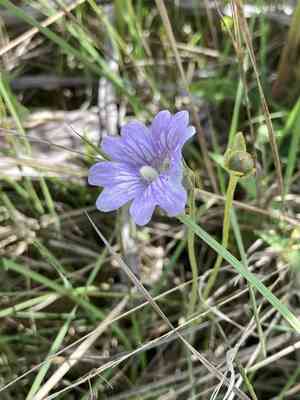
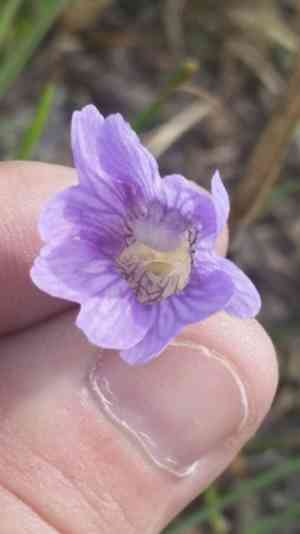
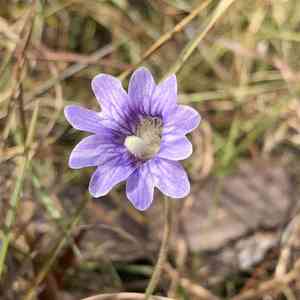
Images of Blueflower butterwort
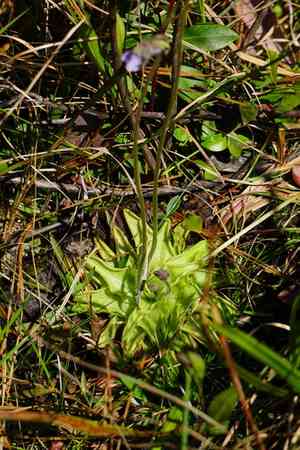
Quickly Identify Blueflower butterwort
1
Sticky, carnivorous leaves with subtle red blush, forming rosettes for insect trapping.
2
Delicate violet flowers on stalks up to 8 inches (20 cm) tall, creating a compact rosette spread.
3
Tiny flowers with violet coloration, star-like appearance from deeply notched lobes and characteristic spur.
4
Basal leaves up to 2 inches (5 cm) long, yellow-green, shiny, sticky, and slightly greasy.
5
Smooth leaf surface without visible veins, with rolled-up edges and glossy texture.
Scientific Classification of Blueflower butterwort
Phylum
Vascular plants
Class
Dicotyledons
Order
Lamiales
Family
Bladderworts
Genus
Butterworts
Species
Blueflower butterwort
Planting and Growing of Blueflower butterwort
Care Difficulty
Moderate
Watering Schedule
Every 3 days
Sunlight Requirements
Partial sun
Sunshine Duration
6-10 hours
Ideal Temperature
60-75℉
Soil Type
Potting Mix, Peat Mix
Soil pH
5.5-6.5
Fertilizer Type
Balanced
Pruning Season
Spring, Summer
Pruning Area
Branches, Leaves
Pruning Frequency
2 times a year
Repotting Season
Spring
Pot Type
Plastic, Ceramic
 How to Water Blueflower butterwort?
When watering Pinguicula caerulea, aim to provide around 60ml of water each time. Ensure the soil is moist but not waterlogged, simulating a habitat that is damp but well-drained. In nature, these plants grow in environments that occasionally dry out slightly between rains, so make sure water levels never lead to standing water.
What are the symptoms of an underwatered Blueflower butterwort?
›
What should I do if my Blueflower butterwort is not getting enough water?
›
What are the symptoms of an overwatered Blueflower butterwort?
›
How to save an overwatered Blueflower butterwort?
›
 What Are the Sunlight Requirements for Blueflower butterwort?
Pinguicula caerulea benefits most from partial sun. Ideal light supports its natural processes and encourages vibrant leaf colors while protecting it from harsh conditions.
What is the preferred lighting for Pinguicula caerulea?
›
How to provide ideal lighting solutions?
›
What benefits arise from ideal lighting?
›
 What Is the Ideal Temperature Range for Blueflower butterwort?
The ideal temperature range for Pinguicula caerulea, a carnivorous plant species, is between 60°F and 75°F. This range provides optimal conditions for photosynthesis and growth, ensuring the plant remains healthy. Maintaining these temperatures helps in supporting its metabolic activities and encourages it to thrive.
 What Soil is Best for Blueflower butterwort?
Pinguicula caerulea thrives in soil that retains moisture well, as it mimics the wet conditions of its native habitat. Moisture retention helps the plant absorb nutrients more effectively, ensuring robust growth and vibrant foliage. This plant prefers nutrient-poor soil that closely resembles its natural environment, as overly fertile soil can lead to poor growth and weakens its carnivorous nature. Limiting nutrients encourages the plant to rely on insects for nourishment. Well-aerated soil is vital for Pinguicula caerulea, as it allows proper root development and prevents root rot. Aeration ensures that the roots receive enough oxygen, promoting healthy development and maximizing overall plant vigor.
 How to Fertilize Blueflower butterwort?
For Pinguicula caerulea, apply a diluted liquid fertilizer at half the recommended strength. Use roughly 1/4 teaspoon per gallon of water. This ensures you provide adequate nutrients without overwhelming the plant's delicate roots.
 How to Prune Blueflower butterwort?
Begin by identifying any dead or yellowing leaves. Gently hold the base of the leaf and use your sterilized pruning scissors to remove it at the base, avoiding tearing or pulling. Inspect the plant for any signs of disease, such as spots or discoloration. Cut away any affected areas using a clean cut, and immediately dispose of the removed parts to prevent disease spread.
More About Pruning Techniques→
 How to Propagate Blueflower butterwort plant?
1
Use a well-draining soil mix that suits carnivorous plants, ensuring it retains some moisture but does not become waterlogged. Mixing peat moss with perlite can provide an optimal substrate for seed propagation.
2
Sprinkle the Pinguicula caerulea seeds over the prepared soil surface without covering them. These seeds require light to germinate, so avoid burying them. Ensure they are evenly distributed and lightly mist them to settle.
3
For division propagation, carefully remove the plant from its pot and gently separate the offshoots or divisions. Ensure each division has sufficient root mass to support growth. Use sterile tools for clean cuts if necessary.
 How to Repot Blueflower butterwort plant?
1
Repotting is best done when you notice that the roots are becoming bound or when growth appears stunted. Early spring, as new growth begins, is an ideal time to repot Pinguicula caerulea, preparing it for a vigorous growing season.
2
Choose a pot that is just slightly larger than the current one. Ensure it has drainage holes to prevent waterlogging, which can lead to root rot. The pot should be shallow to accommodate the plant’s shallow root system, aiding in better aeration for the roots.
3
Opt for a peat-based, well-draining mix. This type of soil mimics the plant’s natural habitat, retaining some moisture while allowing excess water to drain away, preventing root rot and promoting healthy growth.



