How to Transplant Wild pennyroyal?
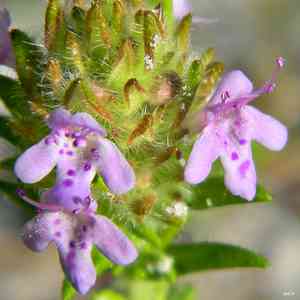
Relocating wild pennyroyal is most effectively accomplished as the revitalizing essence of spring invigorates the landscape, generally from the dissipation of the initial frost until spring reaches its peak floral display. Select a site that replicates its native habitat, featuring soil that drains efficiently and abundant solar exposure. When transplanting wild pennyroyal, proceed gently to prevent disturbing its root structure.
What Preparations are Needed Before Transplanting Wild Pennyroyal?
What is the Ideal Time for Transplanting Wild Pennyroyal?
The perfect time to move wild pennyroyal is during the gentle onset of spring. This period allows wild pennyroyal to establish roots in the cool, yet warming ground, which is crucial for its growth. Transplanting at this time benefits from the season's moderate rainfall and strengthens wild pennyroyal before the full intensity of summer heat. It provides a beneficial start for your garden, ensuring vigorous growth for wild pennyroyal that results in lush foliage.
How Much Space Should You Leave Between Wild Pennyroyal Plants?
Hello, gardening enthusiast! For your wild pennyroyal, aim to provide each plant ample personal space. Position them approximately 18-24 inches (45-60 cm) apart so their roots can spread out and they can thrive!
What is the Best Soil Mix for Wild Pennyroyal Transplanting?
Your wild pennyroyal will flourish in well-draining soil enriched with organic material. Before planting, incorporate some compost as a base fertilizer to give your wild pennyroyal a nourishing beginning. Consider it a healthy breakfast for your plants!
Where Should You Relocate Your Wild Pennyroyal?
Sunshine is wild pennyroyal's best companion. Select a location where your plant will soak in full sun's embrace for most of the day. This sunny spot will keep your wild pennyroyal content and robust. Keep those sunglasses on!
What Equipments Should You Prepare Before Transplantation Wild Pennyroyal?
Gardening Gloves
To safeguard your hands while handling soil and plants.
Shovel or Spade
For excavating the plant and preparing the new planting site.
Garden Fork
Useful for loosening soil around the root system, especially for larger specimens.
Watering Can or Hose
To hydrate the plant before and after relocation.
Wheelbarrow or Plant Dolly
For moving the plant if it is substantial in size.
Mulch
To help maintain soil moisture and regulate temperature around the wild pennyroyal.
Pruning Shears
To trim any damaged roots or foliage.
How Do You Remove Wild Pennyroyal from the Soil?
How Do You Remove Wild Pennyroyal from the Soil?
From Ground: Water the wild pennyroyal to moisten the soil. Dig a wide trench around it, ensuring the root ball remains intact. Use a shovel or spade to carefully lift the plant from its original spot.From Pot: Water the wild pennyroyal to facilitate its removal. Tilt the pot sideways and gently tap the base to help the plant slide out. Support the plant by its base and carefully extract it.Seedling Tray: Water the seedlings to keep the soil cohesive. Use a spoon or a small tool to lift the seedlings out without harming their roots.
Step-by-Step Guide for Transplanting Wild Pennyroyal
Preparation
Gather all necessary tools and materials for relocating the wild pennyroyal.
Plant Removal
Follow the appropriate removal procedure to safely and carefully extract wild pennyroyal from its current position.
Transportation
If needed, use a wheelbarrow or plant dolly to move the wild pennyroyal to its new location without causing damage.
Installation
Dig a hole in the ground that is twice as wide and as deep as the root ball. Gently place the wild pennyroyal in the hole, ensuring it's at the same depth as it was previously.
Firming Soil
Fill in around the root ball with soil, gently compacting it to eliminate air pockets.
Watering
Thoroughly water the wild pennyroyal to settle the soil and hydrate the roots.
Mulching
Apply a layer of mulch around the wild pennyroyal to conserve moisture and prevent weed growth.
How Do You Care For Wild Pennyroyal After Transplanting?
Initial Watering
Water the wild pennyroyal thoroughly after transplanting to aid recovery from transplant shock and encourage root growth into the surrounding soil.
Regular Monitoring
Observe the wild pennyroyal closely for the first few weeks, checking for signs of stress such as wilting, leaf drop, or discoloration.
Adjustment Period
Allow wild pennyroyal time to adapt to its new location without further disturbance; this means limiting pruning and avoiding repositioning the plant.
Continued Care
Maintain a consistent care routine for wild pennyroyal, including watering as needed based on weather conditions and checking for pests or diseases.
Troubleshooting Common Issues with Wild Pennyroyal Transplantation.
Why is my wild pennyroyal not thriving after transplant?
Ensure you've transplanted wild pennyroyal when the weather is mild, ideally from early to late spring, when plants establish best.
How deep should I plant wild pennyroyal during transplanting?
Transplant wild pennyroyal so the root ball sits level with the soil surface, not deeper or shallower to promote proper growth.
What is the best spacing for wild pennyroyal when transplanting?
Give wild pennyroyal room to flourish by spacing them 18-24 inches (45-60 cm) apart. This ensures adequate air circulation and nutrient availability.
How often should I water wild pennyroyal after transplanting?
Initially water wild pennyroyal deeply to help roots establish. Then, maintain consistent moisture without overwatering to avoid root rot.
Can I transplant wild pennyroyal in full sun?
Yes, wild pennyroyal thrives in full sun. Ensure the transplant site gets plenty of sunlight for optimal growth.
What soil type is best for transplanting wild pennyroyal?
Use well-draining soil rich in organic matter for transplanting wild pennyroyal to promote healthy root development.
Should I fertilize wild pennyroyal right after transplanting?
Wait to fertilize until wild pennyroyal shows new growth to avoid burning delicate roots. Use a balanced fertilizer according to instructions.
How do I know if wild pennyroyal is planted at the right depth?
Check that the top of the root ball is flush with the surrounding soil, indicating proper depth for wild pennyroyal.
What should I do if wild pennyroyal's leaves wilt after transplant?
Wilting can be a sign of transplant shock. Keep the soil evenly moist and give wild pennyroyal time to acclimate.
How can I protect wild pennyroyal during hot weather post-transplant?
Provide shade during the hottest part of the day and mulch to retain soil moisture and protect the roots of wild pennyroyal.



