How to Prune Wild pennyroyal?
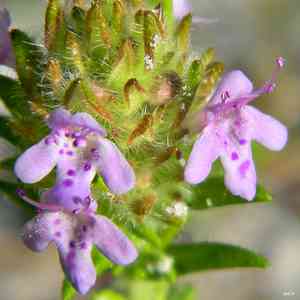
Wild pennyroyal, an aromatic perennial herb belonging to the mint family, flourishes with little attention but gains from deliberate trimming. Prune wild pennyroyal during late winter or early spring, prior to the emergence of new shoots. Shorten older stalks to foster a denser form and improve air movement. Post-flowering pruning helps preserve its structure and vitality, while removing faded blossoms encourages ongoing flowering. Always use sharp, sanitized implements to avert the transmission of pathogens. Appropriate trimming additionally discourages unwanted insects and stimulates robust foliage.
Advantages of Trimming Wild Pennyroyal
Advantages of Trimming Wild Pennyroyal
Trimming wild pennyroyal encourages robust development and manages its dimensions, fostering a denser, more vigorous plant that thrives better than untrimmed specimens.
Optimal Time for Trimming Wild Pennyroyal
Optimal Time for Trimming Wild Pennyroyal
Trimming or cutting wild pennyroyal during late winter and early spring is beneficial as the plant is likely dormant, reducing stress and sap loss. This timing precedes new growth, ensuring that pruning doesn't remove new shoots and that the plant's energy is directed to the development of fresh, healthy foliage and stems. Additionally, the visibility of the plant's structure without leaves allows for more precise cuts. Pruning before the onset of wild pennyroyal's growth cycle and flowering period stimulates vigorous growth and helps maintain the plant's shape and overall health. It also helps prevent the spread of diseases and pests that are more active during warmer months.
Necessary Tools for Trimming Wild Pennyroyal
Hand Pruners
Given wild pennyroyal's modest size and delicate stems, hand pruners are perfect for making accurate cuts. They enable gardeners to remove dead or unwanted growth without disturbing surrounding foliage.
Pruning Shears
These are essential for shaping and trimming wild pennyroyal, as they can easily manage its thin stems and foliage. Pruning shears provide a clean cut, promoting better plant health.
Gloves
Though not a cutting tool, gloves are crucial for safeguarding the gardener's hands from scratches and the natural oils in wild pennyroyal, which might irritate sensitive skin.
How to Trim Wild Pennyroyal
Sanitize Equipment
Before trimming wild pennyroyal, sterilize your pruning tools with isopropyl alcohol to prevent disease transmission.
Remove Diseased Foliage
Carefully inspect wild pennyroyal for any diseased leaves, which may appear discolored or damaged, and remove them by cutting at the base of the leaf stem using sharp pruning shears.
Eliminate Withered Leaves
Identify withered or dying leaves on wild pennyroyal and trim these off where they join the stem to encourage healthy growth and air circulation.
Prune Dead Branches
Cut back any dead branches on wild pennyroyal to their origin point or to the nearest living lateral branch, making smooth cuts to aid healing and avoid stubs that may lead to further decay.
Cut Diseased Branches
Look for any branches with disease signs on wild pennyroyal and remove them by cutting just above an outward-facing bud to encourage an open structure and prevent future problems.
Common Trimming Errors with Wild Pennyroyal
Excessive Trimming
Cutting back wild pennyroyal too severely can stress the plant, leading to weak growth or reduced flowering. It may also expose the plant to pests and diseases.
Dull Tools
Using blunt pruning tools can result in jagged cuts that harm wild pennyroyal and jeopardize the plant's ability to heal properly, leaving it vulnerable to diseases.
Incorrect Cut Placement
Making cuts too far from the node can leave a stub that risks dieback, while cutting too close to the node can damage emerging shoots of wild pennyroyal.
Trimming Healthy Growth
Removing healthy growth indiscriminately can limit wild pennyroyal's potential to flourish. Focus on dead, diseased, or overcrowded stems.
Ignoring Plant Structure
Failing to consider the natural shape and growth pattern of wild pennyroyal can result in an undesirable appearance and hinder its growth.
General Trimming Advice for Wild Pennyroyal
Sanitization
Clean cutting tools before and after trimming wild pennyroyal to prevent disease spread. Use a bleach or alcohol solution to disinfect.
Sharp Tools
Use sharp, clean shears or scissors to make clean cuts that will heal quickly and minimize stress to wild pennyroyal.
Selective Trimming
Identify and remove only the dead, diseased, or overgrown stems to maintain wild pennyroyal's health and appearance. Leave healthy growth untouched.
Angle Cuts
Make angled cuts just above a leaf node or a set of leaves to encourage new growth in wild pennyroyal without leaving unnecessary stubs.
Staggered Trimming
For a natural look and to avoid creating open gaps, trim stems at varying lengths instead of cutting all stems to the same height.
Trimming for Airflow
Thin out dense areas to improve air circulation within wild pennyroyal's foliage, which can help reduce the risk of fungal infections.
Conservative Approach
Trim no more than one-third of wild pennyroyal's growth at a time to avoid over-stressing the plant.



