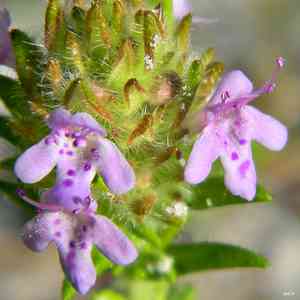
Wild pennyroyal (Piloblephis rigida)
Also known as: Pennyroyal
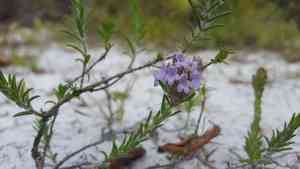
Piloblephis rigida, the sole species of the genus Piloblephis in the mint family, is indigenous to the Bahamas and the southeastern United States, specifically Florida and Georgia. Known as wild pennyroyal, this evergreen plant mainly flowers in winter and spring but has the potential to bloom year-round.
In This Article
Attributes of Wild pennyroyal
Lifespan
Perennial
Plant Type
Shrub
Plant Height
30 cm to 91 cm
Spread
15 cm to 30 cm
Leaf Color
Green
Flower Size
2.5 cm
Flower Color
Pink Purple
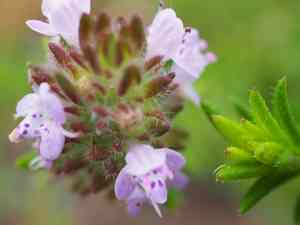
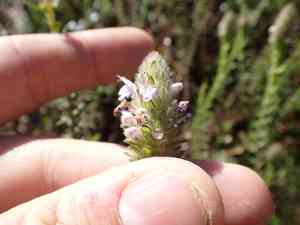
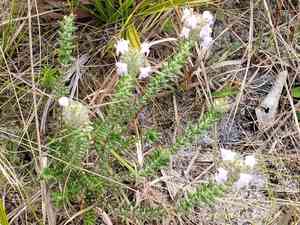
Images of Wild pennyroyal
Quickly Identify Wild pennyroyal
1
Piloblephis rigida can be identified by its aromatic needle-like leaves, woody stem, and small lavender-pink flowers that cluster at the ends of its branches. It typically forms a dense, compact shrub.
Scientific Classification of Wild pennyroyal
Phylum
Vascular plants
Class
Dicotyledons
Order
Lamiales
Family
Mint
Genus
Wild Pennyroyal
Species
Wild pennyroyal
Planting and Growing of Wild pennyroyal
Care Difficulty
Easy
Watering Schedule
Every 3 days
Sunlight Requirements
Full sun
Sunshine Duration
6-10 hours
Ideal Temperature
60-75℉
Soil Type
Potting Mix, Peat Mix
Soil pH
6.5-7.5
Fertilizer Type
Balanced
Pruning Season
Spring, Summer
Pruning Area
Branches, Leaves
Pruning Frequency
2 times a year
Repotting Season
Spring
Pot Type
Plastic, Terracotta
 How to Water Wild pennyroyal?
The Piloblephis rigida prefers a moderate watering amount of around 150ml each time. You should ensure the soil feels moist but not waterlogged. The goal is to mimic its natural dry climate, so the top inch of soil should be dry between waterings.
What are the symptoms of an underwatered Wild pennyroyal?
›
What should I do if my Wild pennyroyal is not getting enough water?
›
What are the symptoms of an overwatered Wild pennyroyal?
›
How to save an overwatered Wild pennyroyal?
›
 What Are the Sunlight Requirements for Wild pennyroyal?
Piloblephis rigida prefers full to partial sun, ideally achieving bright, consistent light for thriving growth and optimal health. This ensures plentiful blooms and lush foliage.
More About Sunlight Requirements Techniques→
What is the best type of sunlight for Piloblephis rigida?
›
How can I ensure Piloblephis rigida gets enough sunlight?
›
What are the benefits of Piloblephis rigida receiving ideal sunlight?
›
 What Is the Ideal Temperature Range for Wild pennyroyal?
Piloblephis rigida thrives best in temperatures ranging from 60°F to 75°F. This range supports optimal metabolic processes, ensuring healthy growth and development. Consistent monitoring keeps conditions within these limits, promoting vibrant foliage and resistance to environmental stressors.
 What Soil is Best for Wild pennyroyal?
Piloblephis rigida thrives best in well-drained soils. Such soils help prevent root rot which can occur if water stagnates around the roots. This drainage capacity is crucial in ensuring healthy growth by maintaining an optimal moisture balance. Although Piloblephis rigida can survive in nutrient-poor conditions, providing a nutrient-rich soil will promote more vigorous growth. Adding organic matter such as compost will supply essential nutrients that are gradually released, aiding in the plant's development. While well-drained soils are a must, Piloblephis rigida also benefits from soils that can retain a modest amount of moisture. This balance prevents the plant from drying out too quickly, especially during hot spells, and ensures the roots have enough hydration.
 How to Fertilize Wild pennyroyal?
For Piloblephis rigida, the amount of fertilizer should be moderate to avoid stressing the plant. Use a balanced liquid fertilizer diluted to half strength, applying approximately 100-200 ml per plant. This encourages healthy growth without overwhelming the plant's natural processes.
 How to Prune Wild pennyroyal?
When pruning Piloblephis rigida, remember to wear gloves to protect your hands from accidental cuts and any potential allergic reactions. Sharp tools are necessary for effective pruning, so handle them with caution to avoid injury. Also, consider the plant's natural shape and do not over-prune, as this may lead to stress or hinder flowering. Proper tool sterilization between plants is crucial to prevent the spread of disease.
More About Pruning Techniques→
 How to Propagate Wild pennyroyal plant?
1
Collect fully matured seeds from the plant during the appropriate season. Ensure seeds are dry and free from disease before moving on to the seeding process.
2
Use a well-draining potting mix rich in organic matter. This type of soil ensures the young seedlings will have the nutrients they require while preventing waterlogging.
3
Select healthy, non-flowering stems for cuttings. Snip a section approximately 4-6 inches long, ensuring a couple of leaf nodes are included for optimal rooting.
 How to Repot Wild pennyroyal plant?
1
Repot when Piloblephis rigida outgrows its pot, indicated by roots showing through drainage holes or reduced growth. Typically, this occurs after 2-3 years. Choose early spring or autumn for optimal regrowth conditions post-repotting.
2
Select a pot with ample drainage holes to prevent waterlogging, which can harm Piloblephis rigida. A pot slightly larger than the current one allows room for growth while reducing transplant shock, maintaining healthier roots.
3
Opt for well-draining sandy soil to mimic the natural habitat of Piloblephis rigida. This type of soil prevents the common issue of root rot by allowing excess water to escape swiftly while retaining essential nutrients.



