How to Transplant Lesser clearweed?
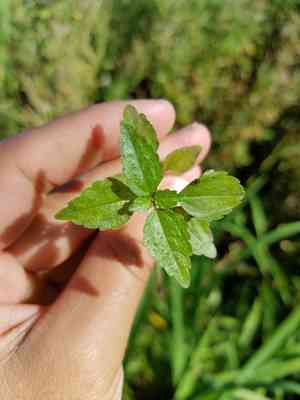
Lesser clearweed thrives when relocated from early to mid-spring, allowing it sufficient time to settle prior to summer. Select sites offering shade or partial shade, featuring damp, adequately draining soil. Verify the soil possesses a slightly acidic pH for peak development.
What Preparations are Needed Before Transplanting Lesser Clearweed?
What is the Ideal Time for Transplanting Lesser Clearweed?
Lesser clearweed, an annual, thrives best when moved in early to mid-spring. This period offers optimal soil moisture and moderate temperatures, aiding root establishment and vigorous growth. Transplanting lesser clearweed then maximizes its vegetative phase, ensuring full maturity before seasonal shifts, leading to a healthier, more vibrant plant.
How Much Space Should You Leave Between Lesser Clearweed Plants?
When relocating lesser clearweed, ensure a 10-12 inch (25-30 cm) gap between each plant. This provides ample room for individual growth and prevents overcrowding.
What is the Best Soil Mix for Lesser Clearweed Transplanting?
Prepare well-draining soil for lesser clearweed, ideally a rich loam blended with organic compost. Incorporating a balanced, slow-release fertilizer will supply essential nutrients for healthy development.
Where Should You Relocate Your Lesser Clearweed?
Lesser clearweed prefers locations with partial to full shade. Select a spot where the plant receives filtered sunlight or morning sun, but is shielded from intense afternoon rays.
What Equipments Should You Prepare Before Transplantation Lesser Clearweed?
Gardening Gloves
To safeguard your hands while handling soil and plants.
Trowel
For digging small holes and loosening compacted soil.
Shovel or Spade
To excavate trenches and remove plants from the ground.
Watering Can or Hose
For hydrating the plant before and after its relocation.
Wheelbarrow
To move plants and soil if the need arises.
Plant Labels
To identify newly relocated lesser clearweed if multiple plants are being moved.
Mulch
To help maintain moisture and regulate soil temperature around the transplanted lesser clearweed.
How Do You Remove Lesser Clearweed from the Soil?
How Do You Remove Lesser Clearweed from the Soil?
From Ground: First, moisten the lesser clearweed plant by watering the soil. Then, dig a wide trench around the plant using a shovel or spade, ensuring the plant's root ball remains intact. Carefully work the spade beneath the root ball to lift the plant from its original spot.From Pot: Thoroughly water the lesser clearweed plant. Gently tilt the pot on its side and slide the plant out, supporting the root ball with your hand. If the plant is stuck, gently squeeze the pot or use a trowel to loosen the soil around the edges.From Seedling Tray: Water the seedlings to facilitate easier removal. Use a trowel or your fingers to gently lift each lesser clearweed seedling from the tray, ensuring you extract as much of the root system as possible. Handle them by the leaves to prevent stem damage.
Step-by-Step Guide for Transplanting Lesser Clearweed
Site Preparation
Prepare the new site by digging a hole twice as wide and the same depth as the lesser clearweed plant's root ball. This allows roots to spread easily.
Removing Plant
Carefully extract the lesser clearweed from its original location using the methods previously described, based on its initial growing medium.
Plant Placement
Position the lesser clearweed plant in the new hole at its original growing depth. Ensure the root ball is gently spread out in the new location without compressing the roots.
Backfill and Firm
Fill the hole with soil, gently firming it around the root ball. Confirm there are no air pockets, as these can dehydrate roots.
Watering
Thoroughly water the lesser clearweed after planting to settle the soil and aid the plant's adjustment to its new environment.
Mulching
Apply a layer of mulch around the base of the lesser clearweed to help retain moisture and keep the roots cool.
How Do You Care For Lesser Clearweed After Transplanting?
Watering
Keep the soil around the lesser clearweed consistently moist, but not waterlogged, for the initial weeks post-transplant to encourage strong root development.
Monitoring
Regularly inspect the plant for signs of distress, such as wilting or yellowing leaves, and adjust care as necessary.
Protection
Consider providing light shade or a protective cover for the lesser clearweed if transplanting during hot, sunny weather to minimize transplant shock.
Fertilizing
Wait several weeks after transplanting before applying any fertilizer, allowing the plant to settle and reducing the risk of burning new roots.
Troubleshooting Common Issues with Lesser Clearweed Transplantation.
When is the best time to transplant lesser clearweed?
The optimal period for relocating lesser clearweed is from early to late spring.
What spacing should I leave between lesser clearweed plants?
Maintain a distance of 10-12 inches (25-30 cm) between lesser clearweed plants for ideal growth.
How should I prepare the soil for lesser clearweed?
Enhance soil with organic compost to ensure well-drained and nutrient-rich conditions for lesser clearweed.
Should I water lesser clearweed immediately after transplanting?
Yes, thoroughly water lesser clearweed right after transplanting to help settle the soil and reduce transplant shock.
How deep should I plant lesser clearweed?
Plant lesser clearweed at the same depth it was previously growing to prevent stress.
What should I do if lesser clearweed appears wilted post-transplant?
Ensure adequate hydration and provide some shade to help lesser clearweed recover from transplant shock.
Can I transplant lesser clearweed in hot weather?
Avoid relocating lesser clearweed during hot weather to minimize the risk of transplant shock and stress.
What should I do if the leaves of lesser clearweed turn yellow?
Check soil moisture and ensure it's not waterlogged. Yellow leaves can indicate overwatering or poor drainage.
How do I protect lesser clearweed from pests after transplanting?
Regularly inspect for pests and use natural insect repellents or barriers to keep lesser clearweed safe.
Is mulching beneficial for lesser clearweed after transplanting?
Yes, applying mulch around lesser clearweed helps retain moisture, suppress weeds, and maintain soil temperature.



