How to Propagate Lesser clearweed?
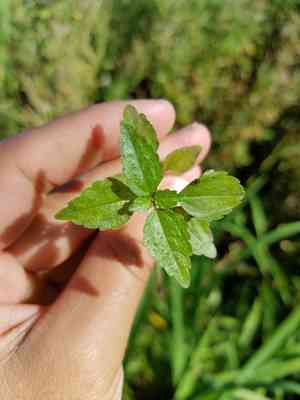
Pilea microphylla is easily multiplied by planting its seeds. To ensure robust development, the seeds ought to be embedded in a potting blend that drains effectively, usually a combination of peat and perlite or sand, which improves air circulation and water-holding capacity. Maintain the growing medium uniformly damp, yet avoid saturation to avert decay. Position the container in an area receiving diffused illumination, where temperatures remain constant, since inconsistent environments can hinder sprouting success.
Optimal Time for Lesser Clearweed Propagation
Propagation Type
Sowing
Propagation Season
Spring
Tools for Lesser Clearweed Propagation
Seed trays
Seed trays are vital for starting lesser clearweed seeds indoors, offering controlled environmental conditions. Their shallow design is perfect for the small, delicate lesser clearweed seeds, preventing them from being buried too deeply, which could impede germination. The tray compartments facilitate easy organization and separation of seedlings, avoiding root tangling and minimizing transplant shock later on.
Fine-grade vermiculite or perlite
These mediums are essential for lesser clearweed seed propagation, providing excellent aeration and moisture retention crucial for germination. They help maintain consistent moisture around the seeds without waterlogging, which is key for sensitive lesser clearweed seeds. Additionally, these materials are sterile, reducing the risk of fungal diseases that can harm young seedlings.
Misting bottle
A misting bottle is used to gently water lesser clearweed seeds without disturbing them. This tool is especially useful as it delivers a fine spray, ensuring fragile seeds and emerging seedlings receive adequate moisture without being dislodged or buried by heavy water droplets.
Grow lights
If starting lesser clearweed seeds indoors or in low natural light, grow lights are beneficial. They provide the necessary light spectrum for photosynthesis, which is indispensable during early seedling growth. Proper lighting ensures robust development and helps prevent 'leggy' seedlings caused by insufficient light.
Seedling heat mat
This tool is particularly helpful when propagating lesser clearweed in cooler settings. A heat mat gently warms the soil, encouraging faster germination and growth by maintaining an optimal temperature. Consistent warmth is vital for successful lesser clearweed germination, leading to a higher propagation success rate.
Lesser Clearweed Propagation Method
Propagation Type
Easy
Caring for Newly Propagated Lesser Clearweed
Caring for Newly Propagated Lesser Clearweed
Once lesser clearweed seedlings have developed their first true leaves, gradually acclimate them to less humid conditions by removing the humidity cover for increasing durations. Continue to provide indirect light and keep the soil consistently moist, ensuring good drainage to prevent root rot. As plants mature, they can tolerate slightly drier conditions, but aim to keep their environment lightly humid.
Common Mistakes to Avoid When Propagating Lesser Clearweed
Overwatering
During lesser clearweed propagation, a common error is excessive watering, which can lead to root rot and fungal infections. This can severely hinder the plant's growth and reduce its chances of successful propagation.
Deep Planting
Planting lesser clearweed cuttings too deeply can impede their ability to sprout new growth. Deep planting may cause the stem to rot before new roots can establish.
Using Non-Sterile Tools
Using unsterilized tools for cutting or propagating lesser clearweed can introduce pathogens, which hinder healthy propagation and may lead to disease spread among the plants.
Tips For Propagating Lesser Clearweed
Moisture Control
Ensuring the correct amount of moisture is crucial for lesser clearweed. Use a well-draining soil mix and a container with drainage holes to prevent excessive water retention.
Shallow Planting
Place lesser clearweed cuttings shallowly in the soil, allowing them adequate air exposure. This promotes quicker root initiation and better light access, enhancing overall health and growth rate.
Sterilize Tools
Always use clean, sterile tools when cutting or handling lesser clearweed propagules. This practice prevents disease transfer and ensures healthier growth during critical root development and sprouting phases.



