How to Prune Lesser clearweed?
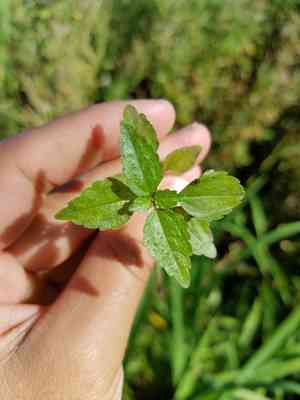
Pilea pumila, an indigenous groundcover, thrives in damp, low-light conditions. Crucial trimming should be performed in spring, summer, or autumn to foster robust development and preserve its intended form. Concentrate on eliminating withered or compromised leaves and reducing crowded sections to boost air movement. This regular upkeep not only improves the plant's visual attractiveness but also strengthens its general well-being by warding off illnesses.
What Are the Benefits of Pruning Lesser Clearweed?
What Are the Benefits of Pruning Lesser Clearweed?
Trimming lesser clearweed promotes robust development and maintains its form, perfect for visual landscaping. Regular cutting helps control its expansion, ensuring it doesn't outgrow nearby plants.
What Is the Best Time for Pruning Lesser Clearweed?
What Is the Best Time for Pruning Lesser Clearweed?
The ideal times for cutting or trimming lesser clearweed are during Spring, Summer, and Fall. These periods coincide with the plant's active growth phases, allowing for quick recovery and sustained vigor. In Spring, pruning stimulates new growth, shaping the plant and enhancing its look as it enters a strong phase. Summer trimming helps manage size and density, especially to prevent overcrowding and improve air circulation within thicker foliage, which is vital for disease prevention. Fall pruning is crucial for removing any dead or dying leaves, which reduces the chance of fungal infections and other plant diseases that thrive on decaying plant matter. These practices ensure lesser clearweed stays healthy, visually appealing, and well-suited to its environment across the various growing seasons.
What Tools Do I Need to Prune Lesser Clearweed?
Hand Pruners
Perfect for severing stems and small branches typical of lesser clearweed. These implements should deliver clean cuts without harming the delicate stems.
Fine-tip Pruning Shears
Excellent for detailed shaping and precise control over small, hard-to-reach areas of lesser clearweed. The accurate blades help preserve the plant's structure and prevent unnecessary damage during trimming.
Small Garden Scissors
Useful for snipping slender stems and leaves, enabling meticulous grooming of lesser clearweed. This tool is particularly good for maintaining a neat appearance and managing its growth within desired limits.
How to Prune Lesser Clearweed
Identify
Examine lesser clearweed for shriveled, yellow, or lifeless leaves. These are typically older leaves that may have naturally aged or been damaged.
Sanitization
Sterilize your pruning tools with rubbing alcohol or a bleach solution to prevent disease transmission. This ensures clean cuts that can heal rapidly.
Cut
Using sharp scissors or pruning shears, carefully snip off the withered leaves at their base, close to the stem. Avoid pulling the leaves as this can harm the healthy parts of lesser clearweed.
Dispose
Gather all removed parts and discard them away from healthy plants to prevent any potential spread of pests or diseases.
Clean
Clean the area around lesser clearweed, removing any fallen debris and leaves to maintain a tidy environment which aids in monitoring plant health.
Common Pruning Mistakes with Lesser Clearweed
Overpruning
A frequent error with lesser clearweed is removing too much foliage at once, which can stress the plant and hinder its ability to photosynthesize effectively.
Improper cut locations
Cutting too far from a node or into the main stem can lead to unnecessary injury, increasing the risk of disease and pest infestation.
Using dull tools
Utilizing dull pruning tools can result in jagged cuts that poorly heal, attracting pathogens and possibly leading to decay.
Common Pruning Tips for Lesser Clearweed
Selective pruning
Focus on removing only the dead or diseased foliage of lesser clearweed, which helps maintain the health and aesthetics of the plant without compromising its growth.
Clean tools
Before starting, ensure all pruning tools are clean and sharp to make precise cuts that heal quickly, minimizing stress on lesser clearweed.
Post prune care
After pruning, provide lesser clearweed with adequate water and possibly a balanced, light fertilizer to support recovery and encourage new growth.



