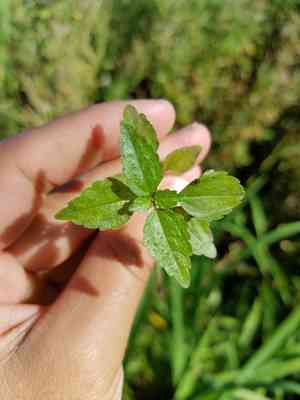
Lesser clearweed (Pilea fontana)
Also known as: Clearweed
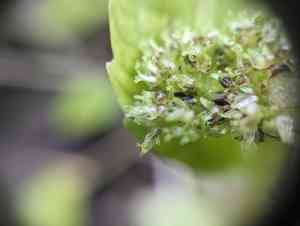
Pilea fontana, also known as the lesser clearweed, is an herbaceous plant that closely resembles Pilea pumila. Both species share a similar range across most of North America east of the Rocky Mountains. The primary distinguishing feature between the two is the appearance of their mature achenes.
In This Article
Attributes of Lesser clearweed
Lifespan
Annual
Plant Type
Herb
Plant Height
10 cm to 51 cm
Spread
Not applicable (herbaceous plant)
Leaf Color
Bright green
Flower Size
Small, less than 5 mm
Flower Color
Greenish-white
Images of Lesser clearweed
Quickly Identify Lesser clearweed
1
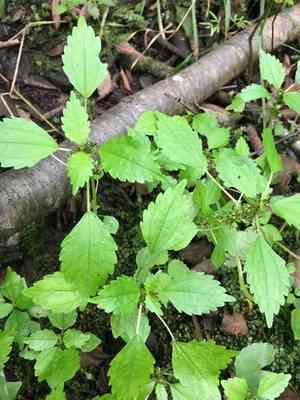
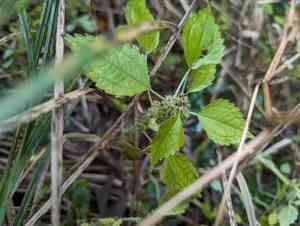
Pilea fontana can be identified by its translucent stems and leaves, which are bright green and have a glossy finish. The leaves are simple, opposite, and have serrated edges.
Scientific Classification of Lesser clearweed
Phylum
Vascular plants
Class
Dicotyledons
Order
Rosales
Family
Nettle
Genus
Clearweed
Species
Lesser clearweed
Planting and Growing of Lesser clearweed
Care Difficulty
Easy
Watering Schedule
Every 3 days
Sunlight Requirements
Partial sun
Sunshine Duration
6-8 hours
Ideal Temperature
60-75℉
Soil Type
Potting Mix, Peat Mix
Soil pH
6.5-7.5
Fertilizer Type
Balanced
Pruning Season
Spring, Summer
Pruning Area
Branches, Leaves
Pruning Frequency
2 times a year
Repotting Season
Spring
Pot Type
Plastic, Ceramic
 How to Water Lesser clearweed?
For Pilea fontana, aim to water with around 150 ml per session, ensuring that the soil is moist but not soggy. The goal is to allow the top inch of soil to dry out slightly between waterings, ensuring the roots can breathe and the plant remains healthy.
What are the symptoms of an underwatered Lesser clearweed?
›
What should I do if my Lesser clearweed is not getting enough water?
›
What are the symptoms of an overwatered Lesser clearweed?
›
How to save an overwatered Lesser clearweed?
›
 What Are the Sunlight Requirements for Lesser clearweed?
Pilea fontana prefers partial sun or full shade that mimics its natural understory environment. Ensuring proper light intensity promotes healthy, vibrant foliage and supports a balanced growth pattern.
How much light does Pilea fontana need?
›
What solutions help achieve ideal lighting conditions?
›
What benefits does Pilea fontana receive from ideal lighting?
›
 What Is the Ideal Temperature Range for Lesser clearweed?
For optimal growth, Pilea fontana thrives in temperatures between 60°F and 75°F. This range mimics the plant's native subtropical environment, providing the warm yet balanced conditions it needs to flourish. Maintaining temperatures within this range ensures robust growth and vibrant foliage.
 What Soil is Best for Lesser clearweed?
Pilea fontana thrives in well-drained soil, which prevents waterlogging and root rot. Ensuring that the soil is aerated and does not retain excess moisture enhances the plant's root health and nutrient uptake. The plant prefers soil with moderate fertility, which means it should have balanced nutrients but not be overly enriched. This supports steady growth without encouraging excessive legginess or weak stems. Maintaining consistent soil moisture is key. The soil should be kept moist, especially during growing seasons, but never soggy, as excess water can lead to fungal issues.
 How to Fertilize Lesser clearweed?
For Pilea fontana, use a balanced liquid fertilizer at half strength. Dilute the fertilizer to half its normal concentration before applying. This prevents over-fertilizing and keeps the plant healthy and vibrant. Ensure the soil is moist before application.
 How to Prune Lesser clearweed?
Begin by locating any yellowed or dead foliage. These parts of your Pilea fontana are not beneficial and only drain energy, which is better used elsewhere. Trim these areas close to the base, allowing more nutrients to focus on healthy growth. Identify stems that are excessively long or seem out of place. Cutting these back to a node helps maintain a desirable shape and encourages bushier growth, keeping your plant looking lush and full. If certain areas of your Pilea fontana appear more sparse, selectively prune other parts to balance the overall appearance. Prune slightly above leaf nodes, encouraging new growth in those directions, promoting a uniform look.
More About Pruning Techniques→
 How to Propagate Lesser clearweed plant?
1
Choose a healthy and mature parent plant. Check for signs of health, such as vibrant foliage and an absence of pests. This ensures the new plants will inherit strong growth characteristics.
2
Prepare a well-draining potting mix as the growing medium. Combine equal parts of peat moss, perlite, and coarse sand to create the ideal environment for root development.
3
Insert the cutting into the prepared growing medium, ensuring the node where roots will develop is buried. Firm the soil around the base lightly to support the cutting upright.
 How to Repot Lesser clearweed plant?
1
Repotting should be considered when you notice roots growing out from the drainage holes, indicating that the plant has outgrown its current pot. Additionally, if the soil becomes compacted, affecting water drainage and absorption, it's time to repot. Early signs include reduced growth speed and yellowing leaves, signaling root constriction.
2
Choose a pot that is one size larger than the current one, ideally a terra cotta or ceramic pot with ample drainage holes. These materials allow for natural air and moisture transfer, preventing root rot. Additionally, good drainage helps maintain the ideal moisture level, which Pilea fontana prefers for healthy growth.
3
Opt for a well-draining peat-based mix with added perlite or sand. This type of soil ensures adequate aeration, preventing root suffocation and promoting healthy root growth. The ability of this mix to retain some moisture while allowing excess to drain away is especially beneficial for Pilea fontana.
Learn More About Lesser clearweed Diseases
Anthracnose
Bacterial Leaf Spot
Bacterial Soft Rot
Bacterial Wilt
Black Spot
Chemical Injury
Crown Gall
Cyst Nematode
Damping-off
Downy Mildew
Drought Stress
Fusarium Wilt
Gray Mold
Leaf Curl
Leaf Spot
Mosaic
Nutrient Deficiency
Nutrient Toxicity
Powdery Mildew
Root Rot
Root-knot Nematode
Rusts
Sooty Mold
Spider Mites
Temperature Stress
Thrips Damage
White Mold



