How to Transplant Mountain fetterbush?
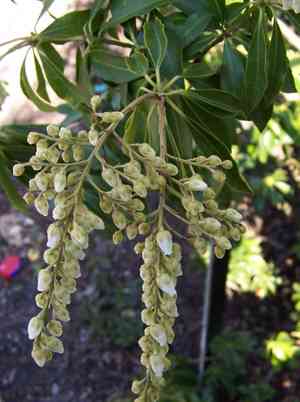
Relocate mountain fetterbush during mid-spring to ensure the best adaptation. Choose a location offering shade and possessing damp, adequately draining earth. Careful manipulation of the root system can improve its integration into the new site.
What Preparations are Needed Before Transplanting Mountain Fetterbush?
What is the Ideal Time for Transplanting Mountain Fetterbush?
The best time to move mountain fetterbush is in mid-spring, ideally once the ground has completely thawed and before the summer heat begins. During this period, mild temperatures and increased moisture levels help mountain fetterbush settle comfortably in its new spot, allowing for full root development before colder months arrive. Moving mountain fetterbush at this time promotes strong growth, ensuring a robust and thriving plant. It's a favorable time for mountain fetterbush to adjust, utilizing the season's gentle conditions for a successful transition.
How Much Space Should You Leave Between Mountain Fetterbush Plants?
When you're ready to transplant your mountain fetterbush, allow approximately 2-3 feet (60-91 cm) of space between each plant. This provides ample room for growth without competing for resources. Remember, patience is crucial in gardening!
What is the Best Soil Mix for Mountain Fetterbush Transplanting?
To prepare the soil for your mountain fetterbush, incorporate a base fertilizer into nutrient-rich, well-draining soil. This plant prefers slightly acidic to neutral soil (pH 5.5-7). Thoroughly mix the fertilizer into the soil for optimal results.
Where Should You Relocate Your Mountain Fetterbush?
Searching for the perfect location for your mountain fetterbush? They flourish in partial to full shade. Therefore, a spot that receives morning sunlight but is protected from the intense afternoon sun would be excellent. Happy planting!
What Equipments Should You Prepare Before Transplantation Mountain Fetterbush?
Gardening Gloves
To safeguard your hands from dirt and potential injury while handling soil and plants.
Shovel or Garden Spade
For digging and extracting the mountain fetterbush plant from its current spot, as well as preparing the new planting area.
Hand Trowel
Useful for excavating smaller holes and working in confined spaces.
Pruning Shears
To trim any dead or damaged branches on the mountain fetterbush plant before and after relocation.
Watering Can or Hose
To hydrate the plant before, during, and after transplanting to reduce stress and aid in new root establishment.
Mulch
To safeguard the newly transplanted mountain fetterbush plant and retain soil moisture around it.
Wheelbarrow or Plant Dolly
For moving larger mountain fetterbush plants from their original location to the new planting site.
How Do You Remove Mountain Fetterbush from the Soil?
How Do You Remove Mountain Fetterbush from the Soil?
From Ground: Start by watering the soil around the mountain fetterbush plant to loosen it, making removal easier. Then, use a shovel or spade to dig a wide trench around the plant, ensuring you dig deep enough to get under the root system while keeping the root ball intact. Gently lift the plant from the ground and immediately place it into a wheelbarrow or plant dolly for transport to its new location.From Pot: Water the soil in the pot first to loosen it. Carefully tip the pot to the side while pulling on the base of the mountain fetterbush plant. Be cautious not to harm the plant's stem or leaves. If the plant doesn't come out easily, you can tap the bottom of the pot to loosen the soil.From Seedling Tray: Mountain fetterbush seedlings, when ready for transplanting, can be easily removed by inverting the tray and gently tapping the bottom. If the seedlings are in individual cells, you should be able to pop them out easily by pushing up from the bottom of each cell.
Step-by-Step Guide for Transplanting Mountain Fetterbush
Preparation
Dig a hole in your chosen spot, ensuring it's twice as wide and the same depth as the mountain fetterbush plant's root ball. Loosen the soil at the bottom and sides of the hole with your hand trowel.
Placement
Position the mountain fetterbush plant in the center of the hole. The top of the root ball should be level with the surrounding soil to prevent water from accumulating.
Backfill Soil
Gradually refill the hole with the original soil, gently patting it down to eliminate air pockets.
Water
After placing the plant, thoroughly water the area to help the soil settle around the roots.
Mulch
Apply a 2-3 inch layer of mulch around the base of the mountain fetterbush plant, being careful not to pile it against the plant's stem.
How Do You Care For Mountain Fetterbush After Transplanting?
Watering
It's vital to keep the soil around the mountain fetterbush plant consistently moist, but not waterlogged, for the initial few weeks after transplanting. This will aid in establishing strong roots.
Pruning
Lightly prune the mountain fetterbush plant after transplanting to encourage new growth. Remove any dead or damaged branches, but avoid heavy pruning as it can stress the plant.
Monitoring
Regularly observe the mountain fetterbush plant for any signs of distress such as wilting leaves or lack of growth. If you notice anything unusual, it may indicate the plant is not adapting well to its new location or that there is a watering or pest issue.
Fertilizing
Wait for at least a month to begin fertilizing the mountain fetterbush plant after transplanting. Over-fertilizing immediately after transplanting can harm the delicate new roots.
Troubleshooting Common Issues with Mountain Fetterbush Transplantation.
What's the ideal season to transplant mountain fetterbush?
The best time for transplanting mountain fetterbush is between late spring and early summer (S2-S3). These seasons provide the plant with optimal conditions for recovery.
What is the perfect spacing for planting mountain fetterbush?
Allowing each mountain fetterbush about 2-3 feet (60-91 cm) of space from each other when transplanting promotes balanced growth and healthy foliage.
What should I consider while choosing a location for mountain fetterbush?
Mountain fetterbush prefers well-drained soil and areas with partial shade. Avoid locations prone to waterlogging; it can harm the roots.
What's the recommended depth for planting mountain fetterbush?
Plant mountain fetterbush at approximately the depth of its root ball. This allows the plant roots to establish well and absorb nutrients effectively.
How should I prepare the soil before transplanting mountain fetterbush?
To prepare the soil, mix in compost or organic matter to improve water retention and fertility. Well-drained, humus-rich soil is ideal for mountain fetterbush.
What is the watering regime after transplanting mountain fetterbush?
Water mountain fetterbush thoroughly after transplanting. Continue to maintain moist soil until the plant is established. Avoid overwatering and waterlogged soil.
How do I maintain mountain fetterbush post their replanting?
Mulch around mountain fetterbush to retain moisture, prevent weeds, and maintain soil temperature. Regularly check leaves for pests or diseases and address them promptly.
What care should I take while removing mountain fetterbush for transplanting?
Carefully unearth mountain fetterbush ensuring minimal damage to the roots. Use a sharp spade and aim to retain a substantial portion of the root ball.
What if the transplanted mountain fetterbush shows signs of wilting or shock?
If mountain fetterbush shows signs of transplant shock, adjust watering, and shield it from intense sun. If wilting persists, assess the root health and plant position.
When will I see new growth after transplanting mountain fetterbush?
Mountain fetterbush typically will show new growth within 2-6 weeks of transplanting. Non-visible root growth is also a positive sign, be patient!



