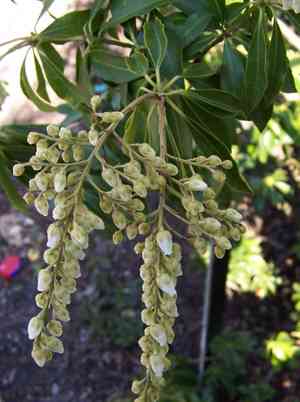
Mountain fetterbush (Pieris floribunda)
Also known as: Mountain andromeda
The mountain fetterbush is more resistant to damage from the Azalea lacebug, which frequently affects the Japanese species. A notable cultivar from a hybrid between American and Japanese species is 'Brouwer's Beauty.' This cultivar is well-suited for cultivation and features flower clusters that are both erect and somewhat drooping.
In This Article
Attributes of Mountain fetterbush
Lifespan
Perennial
Plant Type
Shrub
Plant Height
1.2 m to 1.8 m
Spread
90 cm to 1.2 m
Leaf Color
Green
Flower Size
8 cm to 15 cm
Flower Color
White
Images of Mountain fetterbush
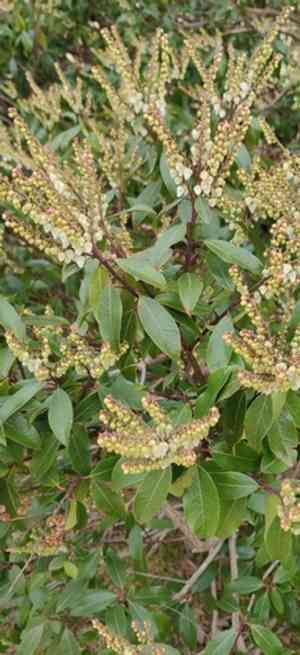
Quickly Identify Mountain fetterbush
1
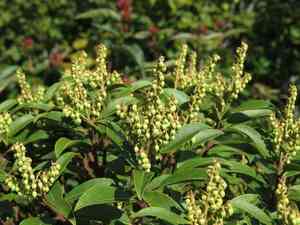
Glossy dark green lanceolate leaves, 1.5-3 inches (4-8 cm) long, with ciliate margins.
2
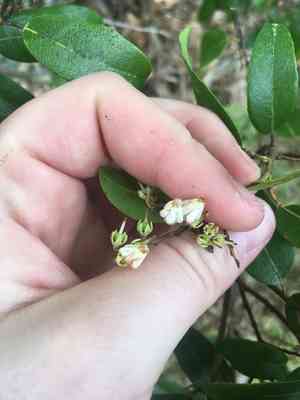
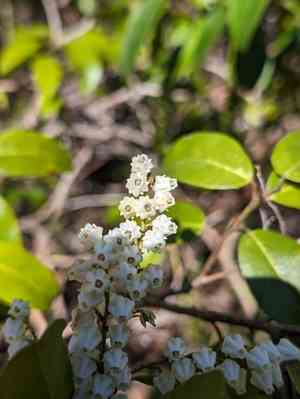
Terminal white urn-shaped flowers, 0.25 inches (0.6 cm) long, in clusters from May to June.
3
Small brown fruit capsules, under an inch (2-3 cm) long, splitting open in autumn.
4
Rugged trunk with vertical bark strips, grey-brown to reddish-brown, slender diameter.
5
Evergreen shrub with dense foliage year-round, frost-resistant, prefers cooler climates.
Scientific Classification of Mountain fetterbush
Phylum
Vascular plants
Class
Dicotyledons
Order
Ericales
Family
Heath
Genus
Fetterbushes
Species
Mountain fetterbush
Planting and Growing of Mountain fetterbush
Care Difficulty
Moderate
Watering Schedule
Every 2 days
Sunlight Requirements
Partial sun
Sunshine Duration
6-10 hours
Ideal Temperature
60-75℉
Soil Type
Potting Mix, Peat Mix
Soil pH
5-6.5
Fertilizer Type
Balanced
Pruning Season
Spring, Summer
Pruning Area
Branches, Leaves
Pruning Frequency
2 times a year
Repotting Season
Spring
Pot Type
Plastic, Ceramic
 How to Water Mountain fetterbush?
Pieris floribunda should be watered thoroughly such that the soil remains consistently moist but not waterlogged. The goal is to keep the plant hydrated without causing the roots to sit in standing water, which ensures healthy growth.
What are the symptoms of an underwatered Mountain fetterbush?
›
What should I do if my Mountain fetterbush is not getting enough water?
›
What are the symptoms of an overwatered Mountain fetterbush?
›
How to save an overwatered Mountain fetterbush?
›
 What Are the Sunlight Requirements for Mountain fetterbush?
Partial sun allows Pieris floribunda to photosynthesize efficiently. The combination of morning sun and afternoon shade fosters robust growth, with vibrant flowers and lush leaves.
How much light does Pieris floribunda need?
›
Where should I place my Pieris floribunda?
›
How to ensure Pieris floribunda receives the right amount of light?
›
 What Is the Ideal Temperature Range for Mountain fetterbush?
The ideal temperature range for Pieris floribunda is between 60°F and 75°F. This range allows the plant to perform its best, supporting vigorous growth and vibrant blooms while preventing stress from temperature extremes.
 What Soil is Best for Mountain fetterbush?
Pieris floribunda thrives in acidic soil, which helps in the uptake of essential nutrients like iron. Acidic soils prevent the common issue of chlorosis, maintaining healthy green foliage. This plant benefits from well-draining soil that prevents root rot. Ensuring good drainage helps maintain root health and promotes vigorous growth by preventing waterlogging stress. Incorporating organic matter into the soil enhances its texture and nutrient content, supporting robust growth. It also helps retain the right amount of moisture, providing a steady water supply without causing soggy conditions.
 How to Fertilize Mountain fetterbush?
For Pieris floribunda, it's crucial to use a balanced fertilizer. Apply half the recommended amount on the package to avoid over-fertilization. Always dilute liquid fertilizers to prevent root burn.
 How to Prune Mountain fetterbush?
Begin by removing any dead, diseased, or damaged branches. Use sharp shears to make clean cuts just above a healthy node to prevent any jagged edges that could invite disease. Prune to enhance the natural shape of the plant. Make angled cuts to allow rainwater to run off easily, preventing rot. Focus on creating an open, airy structure to enhance light penetration. Cut back the ends of branches to stimulate new growth and to make the plant bushier. This also helps promote the production of flowers, ensuring a vibrant display in the growing season.
More About Pruning Techniques→
 How to Propagate Mountain fetterbush plant?
1
Select healthy stems about 4-6 inches long, cutting just below a node. Remove the lower leaves, leaving only a few at the top. It’s crucial to ensure the cut end is kept moist to prevent desiccation.
2
Use a well-draining potting mix composed of equal parts peat moss, perlite, and sand. This mix provides the necessary aeration and moisture retention needed for root development.
3
Dip the cut end in rooting hormone to enhance root formation, and place it into the potting mix. Firm the soil around the cutting to provide good contact but avoid compacting it too much.
 How to Repot Mountain fetterbush plant?
1
Monitor Pieris floribunda for signs like roots growing through drainage holes or slowing growth to determine when it needs repotting. Springtime offers optimal conditions for recovery and new growth, setting the stage for a thriving plant.
2
Select a pot that is only slightly larger than the current one. It should have adequate drainage holes to prevent waterlogged soil. A well-ventilated pot encourages proper root aeration and prevents root rot.
3
Choose an acidic, well-draining soil mix tailored for ericaceous plants. This soil type mimics their natural habitat, ensuring healthy growth and promoting resilience against common soil-borne diseases.
Toxicity
Ingestion
WARNING
The judgment on toxicity and danger is for reference only. We DO NOT GUARANTEE any accuracy of such judgment. Therefore, you SHALL NOT rely on such judgment. It is IMPORTANT TO SEEK PROFESSIONAL ADVICE in advance when necessary.



