How to Propagate Mountain fetterbush?
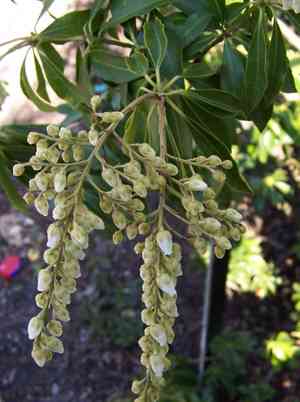
Mountain fetterbush, prized for its decorative appeal and hardiness, reproduces successfully via cuttings. For vigorous development, cuttings ought to possess multiple leaf nodes and be situated in a porous, acidic substrate. Rooting stimulant can boost outcomes, with an optimal propagation setting being moderately moist and partially shaded. This fosters strong root formation, crucial for successful transplantation.
Optimal Period for Mountain Fetterbush Propagation
Propagation Method
Cutting
Propagation Period
Spring,Summer
Tools Required for Mountain Fetterbush Propagation
Sharp Pruning Shears
Pruning shears are vital for making clean cuts from mountain fetterbush, reducing harm to the parent plant and boosting the likelihood of successful rooting of the cuttings. Sharp blades ensure a precise cut, helping prevent disease entry and promoting quicker healing.
Rooting Hormone
Rooting hormone aids in the development of roots in mountain fetterbush cuttings by stimulating root cell formation at the cut site. This increases the chance of successful root establishment, which is crucial for healthy growth after transplant.
Sterilization Materials (e.g., alcohol, bleach solution)
Sterilization materials are used to sanitize cutting tools and containers. This is crucial for preventing the spread of pathogens that could harm mountain fetterbush during the delicate stages of cutting and rooting.
Humidity Dome or Plastic Covers
A humidity dome or plastic covers create a moist environment around mountain fetterbush cuttings, which is essential for keeping plant tissues hydrated and encouraging rooting. Maintaining humidity helps prevent cuttings from drying out before roots can establish.
Well-draining Potting Mix
A well-draining potting mix suitable for mountain fetterbush ensures optimal moisture levels around new roots. It prevents waterlogging, which can lead to root rot, a common issue in the early stages of propagation.
How to Propagate Mountain Fetterbush?
Propagation Type
Moderately Difficult
How to Care for Your Newly Propagated Mountain Fetterbush?
How to Care for Your Newly Propagated Mountain Fetterbush?
After propagation, continue to care for mountain fetterbush by placing it in a location that receives partial shade to avoid leaf burn. Water the plants regularly to keep the soil moist but ensure good drainage to prevent root rot. Fertilize with an acid-forming fertilizer during the growing season. Protect from strong winds and, in colder regions, provide mulch in winter to protect the root system.
Common Mistakes to Avoid When Propagating Mountain Fetterbush
Overwatering
Excessive watering can lead to root rot and fungal infections, which are harmful to the roots of mountain fetterbush, making them less effective at nutrient uptake and more susceptible to disease.
Using dense soil
Employing heavy or poorly draining soil hinders the essential aeration of the roots of mountain fetterbush. This can cause waterlogging and root diseases, which significantly impairs the plant's overall health and propagation prospects.
Ignoring acidity levels
Failing to maintain the appropriate soil acidity levels for mountain fetterbush can lead to nutrient deficiencies or toxicity, preventing the plant from thriving and successfully propagating.
Tips For Propagating Mountain Fetterbush
Use well-draining acidic soil
Utilizing soil that drains well and maintains an acidic pH is crucial for mountain fetterbush, as it mimics its native habitat conditions. This environment supports healthy root development and overall vigor.
Employ air layering technique
Because mountain fetterbush can be challenging to root from cuttings, air layering proves to be a more successful method. This involves wounding part of the plant's stem, wrapping it in moist sphagnum moss, and covering it with plastic to encourage root formation directly on the branch.
Ensure indirect light and humidity
During the propagation phase, mountain fetterbush thrives in environments with indirect sunlight and higher humidity. This simulates the understory conditions in their natural habitats, promoting healthier growth and successful rooting.



